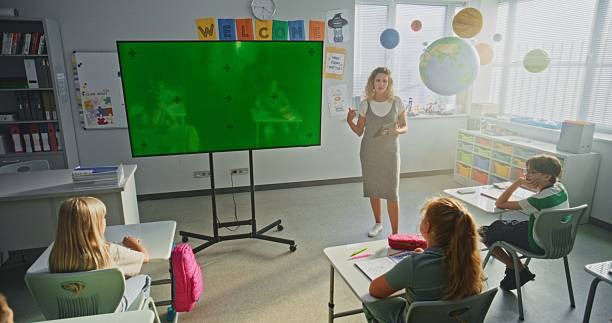
In today’s dynamic classrooms, interactive whiteboards have become essential tools that breathe life into lessons.
These digital canvases invite students to engage in learning experiences that are immersive and collaborative.
However, simply having an interactive whiteboard is not enough; it’s how we use it that truly makes a difference.
Here, we explore some thoughtful strategies to engage students with interactive whiteboards, fostering an environment where learning is both enjoyable and effective.
A gentle invitation to creativity
The beauty of an interactive whiteboard lies in its ability to transform traditional lessons into creative explorations. Encourage students to express their ideas visually by allowing them to draw, write, or annotate directly on the board. This not only makes learning more engaging but also caters to various learning styles. For instance, a math problem can be solved collaboratively, with students illustrating their thought processes right on the board. This hands-on approach nurtures a sense of ownership over their learning, making each student feel like a vital part of the classroom.
Embracing collaborative learning
Interactive whiteboards are perfect for fostering collaboration among students. One effective strategy is to create group activities where students can work together on projects displayed on the board. Whether it’s brainstorming ideas for a story or solving a complex science problem, the whiteboard serves as a shared space for creativity and dialogue. This collaborative atmosphere not only enhances social skills but also encourages peer learning, as students can learn from each other’s perspectives and approaches.
A small shift toward balance
Incorporating games into lessons can be a delightful way to engage students with interactive whiteboards. Educational games that require participation from the whole class can transform a mundane review session into an exciting competition. For example, quiz games can be designed where students answer questions by coming up to the board and selecting their responses. This not only makes learning fun but also helps to reinforce concepts in a memorable way. The key is to maintain a balance, ensuring that the games support the curriculum rather than distract from it.
Creating a visual journey
Visual aids can significantly enhance understanding, and interactive whiteboards provide a platform to showcase rich multimedia content. Teachers can integrate videos, animations, and graphics into their lessons, making complex ideas more accessible. For instance, when teaching about ecosystems, a short documentary clip can provide a vivid context that textbooks alone may not convey. By using visuals that resonate with students, teachers can capture attention and stimulate curiosity, leading to deeper discussions and inquiries.
Personalizing learning experiences
Every student is unique, and interactive whiteboards can help tailor learning experiences to meet individual needs. Teachers can create personalized lessons that allow students to choose topics or projects that interest them. For instance, during a history lesson, students might explore different historical figures on the board, researching and presenting their findings. This not only fosters a sense of autonomy but also encourages students to take pride in their work, as they can showcase their interests to their peers.
Fostering critical thinking
Interactive whiteboards can also be used to promote critical thinking skills. Teachers can present scenarios or problems on the board and encourage students to analyze and discuss possible solutions as a class. This collaborative problem-solving approach not only enhances critical thinking but also helps students learn to articulate their thoughts and reasoning. By creating a culture of inquiry, teachers can inspire students to ask questions and seek answers, nurturing a lifelong love for learning.
The rhythm of reflection
Incorporating moments of reflection into lessons is another powerful strategy. After engaging with a new concept on the interactive whiteboard, teachers can allocate time for students to reflect on what they’ve learned. This could be done through a brief discussion or by having students write down their thoughts on sticky notes and placing them on the board. This practice encourages deeper processing of information and allows students to connect new knowledge with their existing understanding. Moreover, it provides teachers with valuable insights into their students’ learning journeys.
Encouraging digital citizenship
As technology becomes increasingly integrated into education, it is essential to teach students about digital citizenship. Interactive whiteboards can serve as a platform to discuss online safety, respectful communication, and responsible use of technology. By incorporating these discussions into lessons, teachers can empower students to navigate the digital world with confidence and integrity. This not only enhances their learning experience but also prepares them for the complexities of the modern world.
Nurturing a supportive environment
Creating a supportive classroom environment is crucial for student engagement. Interactive whiteboards can play a role in fostering this atmosphere by allowing for a variety of interactive activities that cater to different interests and abilities. Teachers can encourage students to share their thoughts and ideas openly, reinforcing the notion that every contribution is valued. By building a community of learners, students feel more comfortable participating and taking risks, which ultimately enhances their engagement and learning outcomes.
Embracing the journey
Incorporating interactive whiteboards into teaching is not just about the technology; it’s about the connections and experiences that arise from it. By embracing these strategies, educators can create an engaging and dynamic learning environment that resonates with students. The journey of learning becomes a collaborative adventure, where every student is invited to explore, create, and grow.
As we continue to evolve in our teaching practices, let us remember that the goal is to inspire curiosity and foster a love for learning. Interactive whiteboards are powerful tools that, when used thoughtfully, can enhance student engagement and create a rich tapestry of educational experiences. By nurturing creativity, collaboration, and critical thinking, we can help students embark on a lifelong journey of discovery and growth.