Creating inclusive learning experiences is a journey that embraces the diverse tapestry of human experience.
In a world where the richness of backgrounds, abilities, and perspectives can enhance our understanding, it’s essential to foster environments where everyone feels valued and engaged.
This article explores gentle yet impactful ways to cultivate inclusive learning spaces, whether in classrooms, workshops, or online platforms.
A gentle approach to understanding diversity
At the heart of inclusive learning is the recognition that every learner brings unique strengths and challenges to the table. Embracing diversity means more than just acknowledging differences; it’s about celebrating them. When educators and facilitators take the time to understand the backgrounds and experiences of their learners, they create a foundation of trust and respect. This understanding can be achieved through open conversations, where individuals feel safe to share their stories and perspectives. By fostering a culture of empathy, we open the door to richer, more meaningful interactions.
Crafting a welcoming environment
Creating an inclusive learning experience begins with the physical or virtual environment. A space that feels safe and inviting encourages participation and collaboration. In a classroom setting, this might involve thoughtful seating arrangements that promote group interaction or the inclusion of visual aids that reflect diverse cultures and experiences. For online learning, utilizing accessible platforms that support various learning styles ensures that everyone can engage fully. Consider incorporating multimedia resources that resonate with different learners, such as videos, podcasts, or interactive activities.
Flexibility is key
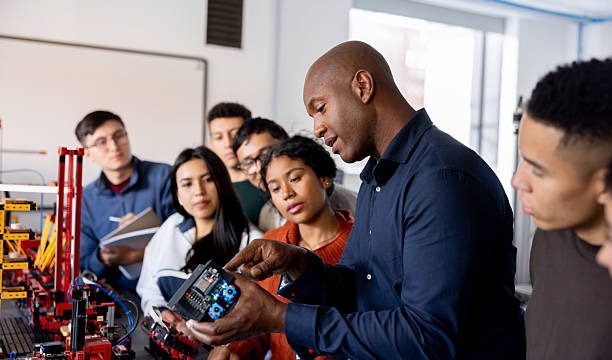
Every learner has a unique way of processing information. Some may thrive in structured environments, while others may flourish in more flexible settings. By offering a variety of learning modalities—such as visual, auditory, and kinesthetic approaches—educators can cater to different preferences. This not only enhances comprehension but also empowers learners to take charge of their own educational journeys. When learners feel they have choices in how they engage with material, their motivation and enthusiasm for learning can blossom.
The power of collaboration
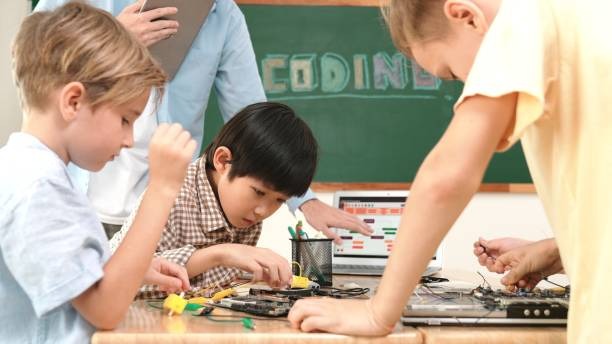
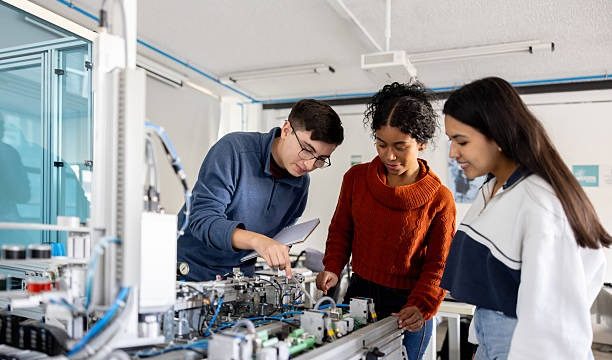
Inclusive learning experiences often thrive on collaboration. Encouraging group work allows learners to share their strengths and perspectives, fostering a sense of community. When individuals collaborate, they learn not only from the material at hand but also from one another. This exchange of ideas can lead to deeper understanding and appreciation of diverse viewpoints. To facilitate collaboration, consider incorporating activities that require teamwork and communication, allowing learners to build relationships and learn from their peers.
Listening and adapting
An essential aspect of creating inclusive learning experiences is the willingness to listen and adapt. Regular feedback from learners can provide valuable insights into what is working and what may need adjustment. By encouraging open dialogue, educators can better understand the needs and preferences of their learners. This responsiveness not only enhances the learning experience but also demonstrates a commitment to inclusivity. When learners see that their voices are heard and valued, they are more likely to engage actively in the learning process.
Providing resources for all
Access to resources is a crucial component of inclusive learning. This means ensuring that materials are available in various formats and languages, catering to different learning abilities. For instance, providing written materials alongside audio or visual options can help accommodate diverse learning needs. Additionally, offering resources that reflect the cultural backgrounds of all learners fosters a sense of belonging. When individuals see themselves represented in the materials they engage with, it enhances their connection to the content.
Encouraging self-reflection
In an inclusive learning experience, self-reflection plays a vital role. Encouraging learners to reflect on their own experiences, biases, and learning styles can lead to greater self-awareness and empathy. This practice can be integrated into activities or discussions, allowing individuals to explore their thoughts and feelings in a safe environment. By fostering self-reflection, educators help learners develop a deeper understanding of themselves and their interactions with others.
Building a supportive community
An inclusive learning experience thrives in a supportive community. Encouraging peer mentorship and support can create a network of encouragement and collaboration. When learners feel connected to one another, they are more likely to share their challenges and successes, fostering a sense of belonging. Creating opportunities for informal interactions, such as group discussions or social events, helps strengthen these bonds. A supportive community not only enhances the learning experience but also contributes to personal growth and resilience.
Embracing continuous improvement
Creating inclusive learning experiences is an ongoing process. As society evolves and new perspectives emerge, so too must our approaches to education. Staying informed about best practices and emerging trends in inclusivity can help educators adapt their methods to meet the needs of their learners. Engaging in professional development and collaborating with peers can provide fresh insights and inspiration. By embracing a mindset of continuous improvement, educators can ensure that their learning environments remain welcoming and effective for all.
A journey of inclusion
Ultimately, creating inclusive learning experiences is a journey that requires commitment, empathy, and a willingness to learn from one another. By embracing diversity, cultivating supportive environments, and encouraging collaboration, we can create spaces where all learners feel valued and empowered. This journey not only enriches the educational experience but also fosters a sense of community and understanding that extends beyond the classroom. As we move forward, let us celebrate the unique contributions of each individual, knowing that together, we can create a brighter, more inclusive future for all.