Learning physics can sometimes feel like navigating a maze of complex theories and abstract concepts.
However, when we introduce playful activities into the mix, the subject transforms into an engaging adventure.
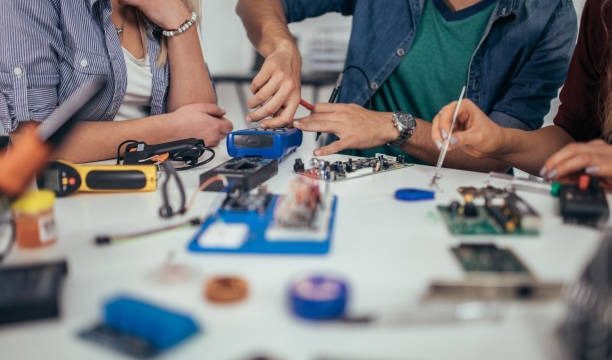
By integrating hands-on experiences, we can make the learning of physics not just accessible but also enjoyable.
This approach benefits learners of all ages, fostering curiosity and a deeper understanding of the world around us.
A gentle introduction to physics through playful exploration invites learners to connect with fundamental principles. Imagine a sunny afternoon spent outdoors, where the simple act of flying a kite becomes a delightful lesson in aerodynamics. As the kite dances in the wind, participants can observe how lift, drag, and gravity work harmoniously. By adjusting the angle of the kite or experimenting with different designs, learners can witness the principles of flight firsthand. It’s a beautiful reminder that physics is not just a subject confined to textbooks; it’s alive in our everyday experiences.
Another captivating way to explore physics concepts is through the art of cooking. The kitchen becomes a laboratory, where chemical reactions and physical changes unfold with every recipe. When baking bread, for instance, one can marvel at the transformation of ingredients through heat and time. The rise of dough, spurred by yeast fermentation, illustrates the principles of gas and pressure. This approach not only demystifies scientific concepts but also nurtures a love for culinary creativity. Sharing these delicious results with family and friends adds an extra layer of joy to the learning experience.
Incorporating physics into creative play can also spark imagination. Building simple machines using everyday materials encourages learners to engage in problem-solving and critical thinking. For instance, constructing a catapult from popsicle sticks and rubber bands offers a hands-on lesson in energy transfer and projectile motion. As children launch small objects across the room, they can observe how varying the angle or force impacts distance and trajectory. This playful experimentation cultivates a sense of agency, allowing learners to explore physics in a way that feels intuitive and fun.
As we delve deeper into the world of physics, the use of technology can enhance our understanding and engagement. Virtual simulations and apps provide interactive experiences that allow learners to experiment with concepts like gravity, magnetism, and electricity. For instance, programs that simulate planetary motion can help learners visualize orbits and gravitational forces. These digital tools complement hands-on activities, creating a rich tapestry of learning that appeals to various learning styles. By blending traditional methods with innovative technology, we create an inclusive environment where everyone can thrive.
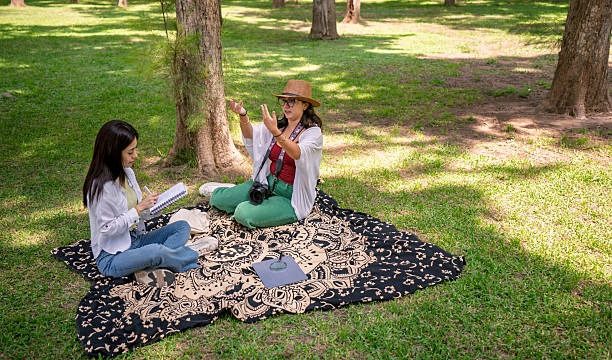
A small shift toward balance in our approach to learning physics involves embracing the outdoors. Nature is a treasure trove of physics principles waiting to be discovered. A simple hike can become a lesson in energy conservation as one observes the movement of water in a stream or the way rocks tumble down a hill. Engaging with the environment fosters an appreciation for the natural world and the laws that govern it. This connection not only enhances understanding but also nurtures a sense of responsibility toward the planet.
Art can also serve as a bridge to understanding physics. Encouraging learners to create artwork that represents scientific concepts can be a powerful tool for expression and comprehension. For example, painting or drawing the solar system allows individuals to explore scale, distance, and motion in a visually engaging way. This creative endeavor invites reflection and discussion, sparking curiosity about the universe. When art and science intertwine, learning becomes a multifaceted experience that is both enriching and enjoyable.
As we explore the world of physics, we encounter the beauty of collaboration. Group activities, such as building bridges with straws or constructing roller coasters from foam tubing, foster teamwork and communication. These projects invite learners to share ideas and strategies, enhancing social connections while deepening their understanding of physics principles. The shared experience of overcoming challenges together creates lasting memories and reinforces the idea that learning is a journey best traveled with others.
Incorporating storytelling into physics lessons adds an element of wonder and imagination. Narratives that weave scientific concepts into captivating tales can make the material more relatable and engaging. For instance, telling the story of a famous physicist’s discoveries can inspire learners to explore the subject further. This narrative approach encourages curiosity and helps learners see the relevance of physics in historical and contemporary contexts. When we frame learning as a story, we invite learners to become active participants in their own educational journeys.
As we consider the various ways to make physics engaging, it’s essential to remember the importance of patience and encouragement. Every learner progresses at their own pace, and celebrating small victories can have a profound impact on motivation. Creating a supportive environment where questions are welcomed and exploration is encouraged can lead to a lifelong love of learning. It’s about nurturing curiosity and fostering a sense of wonder that transcends the classroom.
Ultimately, making physics fun is about embracing creativity, curiosity, and collaboration. By infusing playful activities into learning, we can transform abstract concepts into tangible experiences. Whether it’s through outdoor adventures, culinary experiments, artistic expression, or collaborative projects, the possibilities are endless. As we explore the world of physics together, let us celebrate the joy of discovery and the beauty of understanding the universe around us. In doing so, we not only enrich our own lives but also inspire future generations to continue this exciting journey of learning.