In today’s rapidly evolving educational landscape, technology has emerged as a transformative force, reshaping the way students learn and teachers instruct.
The integration of educational technology, or EdTech, into classrooms is not just about introducing new tools; it’s about fostering an environment that nurtures innovation and creativity.
This article explores how EdTech supports classroom innovation, painting a picture of a future where learning is more engaging and effective.
A gentle shift toward modern learning
Gone are the days when classrooms were solely filled with chalkboards and textbooks. Today, educators are embracing a more dynamic approach to teaching, one that incorporates digital resources and interactive platforms. This shift is not merely a trend; it reflects a deeper understanding of how students absorb information and engage with the world around them.
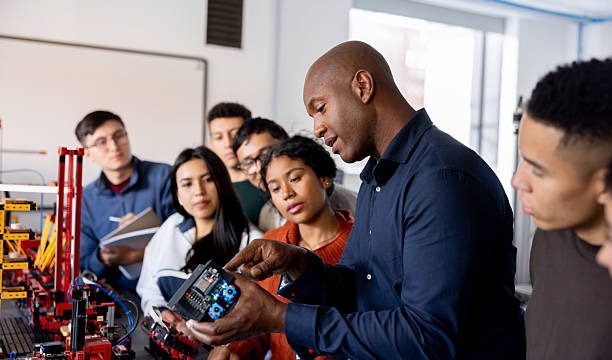
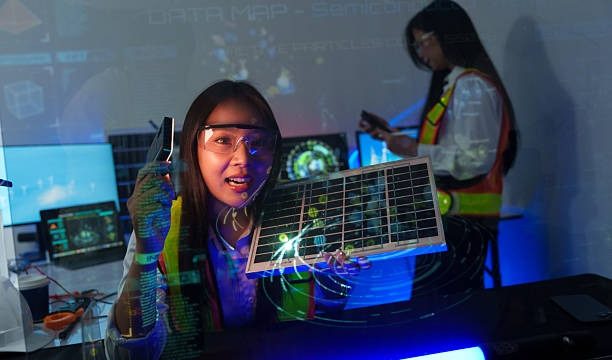
EdTech tools, such as interactive whiteboards, tablets, and educational apps, have become essential components in many classrooms. These technologies allow teachers to present information in a visually stimulating way, catering to diverse learning styles. For instance, a lesson on ecosystems can come alive with a virtual reality experience, immersing students in a vivid simulation of a rainforest. This kind of engagement not only makes learning more enjoyable but also enhances retention and understanding.
Creating a collaborative atmosphere
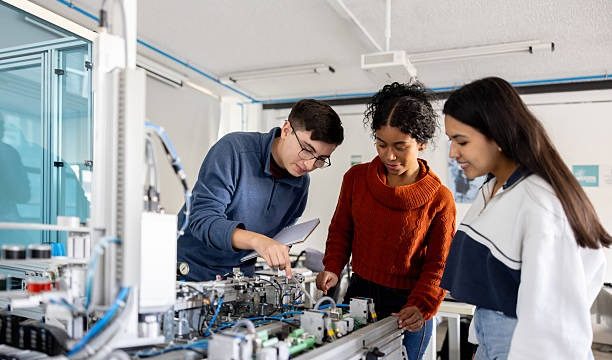
One of the most exciting aspects of EdTech is its ability to foster collaboration among students. Traditional classroom settings often encourage individual work, but technology enables a shift toward teamwork and collective problem-solving. Digital platforms allow students to work together on projects, regardless of their physical location. This collaborative spirit can lead to deeper discussions, increased creativity, and a sense of community among learners.
Imagine a group of students brainstorming ideas for a science project using a shared digital workspace. They can contribute their thoughts in real-time, share resources, and provide feedback to one another. This not only builds critical thinking skills but also prepares students for the collaborative environments they will encounter in their future careers.
Personalizing the learning experience
Every student is unique, with different strengths, weaknesses, and interests. EdTech provides the tools necessary to personalize learning experiences, allowing educators to tailor their instruction to meet individual needs. Through adaptive learning software, students can progress at their own pace, receiving customized feedback and support along the way.
For example, a student struggling with math concepts can use an app that identifies their specific challenges and offers targeted exercises to help them improve. Meanwhile, another student who excels can be encouraged to explore advanced topics that pique their curiosity. This personalization not only empowers students but also builds their confidence as they take ownership of their learning journey.
Encouraging creativity and innovation
In an age where creativity is increasingly valued, EdTech opens doors to innovative forms of expression. Students can leverage digital tools to create projects that reflect their interests and passions. Whether it’s producing a short film, designing a website, or composing music, technology provides the means for students to showcase their talents in ways that were once unimaginable.
Furthermore, the creative process is often enhanced through the use of collaborative platforms. Students can work together to brainstorm ideas, share resources, and develop their projects, all while learning from one another. This not only fosters creativity but also cultivates a sense of ownership and pride in their work.
Building essential digital skills
As our world becomes more interconnected, the ability to navigate technology is a crucial skill for success. EdTech empowers students to develop essential digital literacy skills that will serve them well in the future. By engaging with various tools and platforms, students learn how to communicate effectively, analyze information critically, and adapt to new technologies.
Incorporating technology into the classroom also helps demystify digital tools that students will encounter in their daily lives. As they become proficient in using these resources, they gain confidence in their abilities and are better prepared for the challenges of the modern workforce.
Fostering a growth mindset
The integration of EdTech in classrooms encourages a growth mindset among students. When they have access to a wealth of resources and opportunities for exploration, students are more likely to embrace challenges and view failures as learning experiences. This mindset is essential for lifelong learning and personal development.
Teachers play a crucial role in nurturing this growth mindset by modeling resilience and encouraging students to take risks. By creating a safe environment where mistakes are viewed as part of the learning process, educators can inspire students to push their boundaries and explore new ideas.
A vision for the future
As we look to the future, the potential of EdTech to support classroom innovation is boundless. With ongoing advancements in technology, educators have more opportunities than ever to create engaging, inclusive, and effective learning environments. The key lies in finding the right balance between traditional teaching methods and the innovative tools available.
Ultimately, the goal of EdTech is not to replace teachers but to enhance their ability to connect with students. By embracing technology as a partner in education, teachers can unlock new possibilities for their students, fostering a love of learning that extends beyond the classroom walls.
In this exciting era of educational transformation, EdTech stands as a beacon of hope and possibility. It invites us to reimagine what learning can be, inspiring educators and students alike to explore new horizons. As we continue to embrace this journey, we can look forward to a future where innovation, creativity, and collaboration are at the heart of every learning experience.