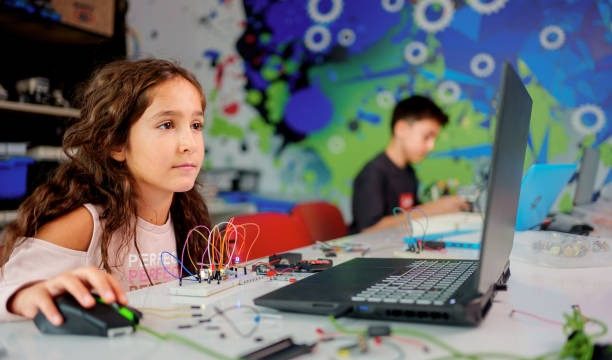
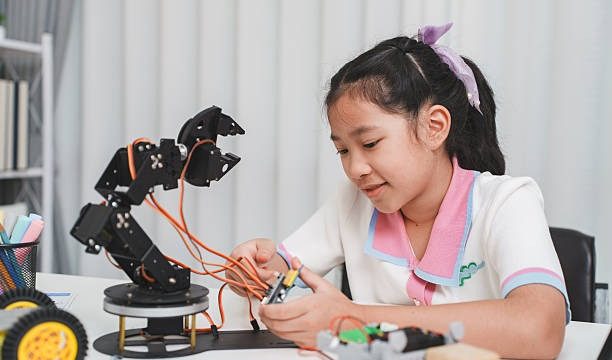
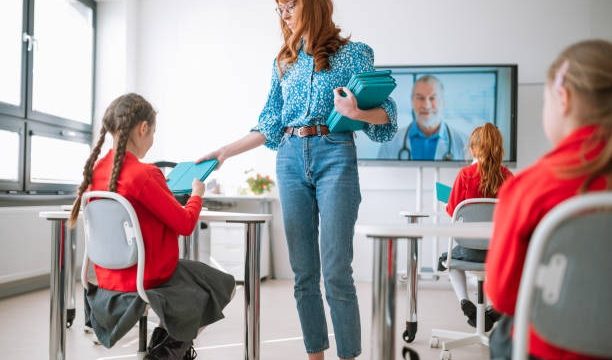
In an age where screens surround us and technology is woven into the fabric of our daily lives, the concept of gamified learning has emerged as a beacon of hope for parents and educators alike.
This innovative approach transforms education from a traditional, often rigid process into an engaging adventure that captivates young minds.
By integrating game mechanics into learning experiences, we can foster not only knowledge acquisition but also a love for learning that lasts a lifetime.
The essence of gamified learning lies in its ability to make education feel less like a chore and more like a journey. Imagine a classroom where students earn points for participation, unlock levels for mastering concepts, and work collaboratively to overcome challenges. This is not just a dream; it’s a reality that many educators are embracing. The idea is simple yet profound: when children see learning as a game, their motivation skyrockets.
Creating an engaging learning environment is essential for young minds. Gamification taps into intrinsic motivators such as curiosity, competition, and collaboration. When children are presented with challenges that require them to think critically and creatively, they become active participants in their own education. This active involvement not only enhances retention but also fosters essential skills such as problem-solving and teamwork.
A small shift toward balance can have a significant impact. While it’s easy to get swept away by the excitement of gamified learning, it’s important to maintain a balance between play and educational objectives. The goal is to create a seamless blend where fun and learning coexist harmoniously. This requires thoughtful planning and an understanding of the learning outcomes we wish to achieve. Educators can design activities that align with curriculum standards while keeping the spirit of play at the forefront.
Parents also play a crucial role in this dynamic. Encouraging children to engage in gamified learning can be as simple as incorporating educational games into family playtime. Board games that promote math skills or online platforms that offer interactive science lessons can turn an ordinary evening into an enriching experience. By participating alongside their children, parents not only support learning but also strengthen family bonds. The shared experience of learning through play creates lasting memories and reinforces the idea that education is a journey best taken together.
As we explore the various facets of gamified learning, it’s essential to acknowledge the diverse needs of young learners. Each child is unique, with their own interests and learning styles. Some may thrive in competitive environments, while others may prefer cooperative gameplay. This diversity is a strength that can be harnessed in gamified learning. By offering a range of activities that cater to different preferences, educators can create an inclusive atmosphere where every child feels valued and motivated.
Technology has played a pivotal role in the rise of gamified learning. With access to a myriad of educational apps and online platforms, children can engage with content in ways that were unimaginable a decade ago. Virtual reality experiences can transport students to ancient civilizations, while interactive simulations can bring complex scientific concepts to life. These tools not only enhance understanding but also spark curiosity and excitement.
However, it’s important to approach technology mindfully. Screen time should be balanced with other forms of learning, such as outdoor exploration and hands-on activities. Encouraging children to take breaks from screens allows them to engage with the world around them, fostering a holistic approach to education. Nature walks, art projects, and community involvement can complement the gamified learning experience, helping children develop a well-rounded perspective.
As we navigate this new educational landscape, the importance of social interaction cannot be overlooked. Gamified learning often incorporates elements of collaboration, allowing students to work together to solve problems and achieve common goals. This social aspect not only enhances learning but also builds essential interpersonal skills. Children learn to communicate, negotiate, and support one another, laying the groundwork for healthy relationships in the future.
Reflecting on the potential of gamified learning, it’s clear that this approach can have a profound impact on young minds. By transforming education into an engaging adventure, we empower children to take charge of their learning journey. The skills they develop through gamified experiences extend far beyond the classroom, equipping them for future challenges in an ever-evolving world.
In conclusion, gamified learning offers a refreshing perspective on education, blending play with purpose. By embracing this approach, we can cultivate a generation of curious, motivated, and resilient learners. As parents and educators, we have the opportunity to guide young minds on a path of discovery that is not only enjoyable but also deeply rewarding. Together, let’s nurture a love for learning that will last a lifetime, one game at a time.