In our fast-paced world, education often feels like a race to the finish line.
Students are bombarded with information and pressured to excel in tests, grades, and extracurricular activities.
However, the essence of learning goes beyond mere academics; it’s about nurturing skills and values that prepare individuals for the journey of life. This perspective invites us to rethink what it means to be educated and how we can cultivate a more holistic approach to learning.
Understanding the heart of education means recognizing that knowledge is only one piece of the puzzle. Life is a complex tapestry woven from experiences, emotions, relationships, and challenges. As we guide students through their educational journeys, it becomes crucial to equip them with skills that transcend the classroom. These skills—such as critical thinking, emotional intelligence, and adaptability—are vital for navigating the ever-changing landscape of life.
A gentle shift toward balance can begin with an emphasis on emotional intelligence. This concept, which encompasses self-awareness, empathy, and interpersonal skills, plays a fundamental role in how we interact with the world. By encouraging students to understand their emotions and those of others, we empower them to build meaningful relationships. This not only enhances their social skills but also prepares them for collaborative environments in both personal and professional settings.
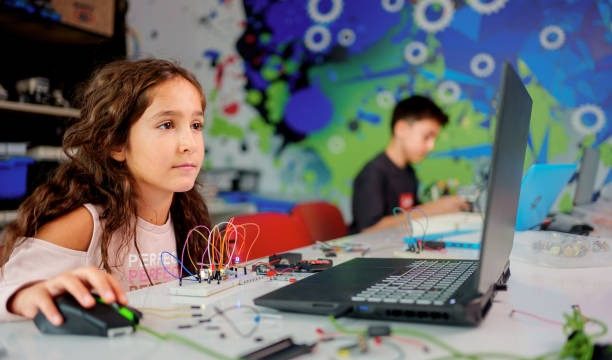
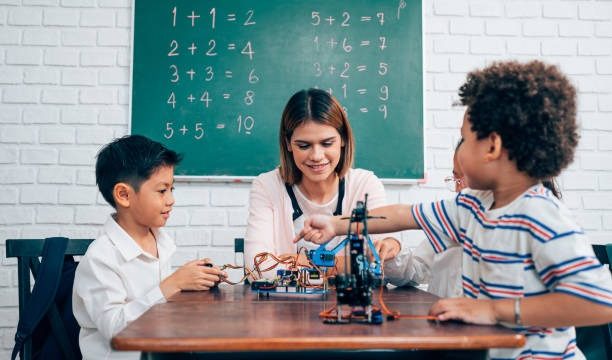
Moreover, fostering a sense of curiosity can ignite a lifelong passion for learning. When students are encouraged to explore their interests and ask questions, they develop a natural inclination to seek knowledge beyond textbooks. This intrinsic motivation drives them to become independent thinkers and problem solvers. Whether through hands-on projects, discussions, or creative pursuits, allowing students to pursue their interests can lead to a deeper understanding of the world around them.
In addition to emotional intelligence and curiosity, adaptability is another cornerstone of a well-rounded education. In a society that is constantly evolving, the ability to adjust to new situations is invaluable. Teaching students to embrace change and view challenges as opportunities for growth can significantly enhance their resilience. This approach not only prepares them for the uncertainties of the future but also instills a sense of confidence in their ability to navigate obstacles.
It’s also important to cultivate a sense of community and social responsibility among students. Engaging in service projects or collaborative initiatives fosters a deep understanding of the interconnectedness of society. When students contribute to their communities, they learn the value of compassion, cooperation, and civic engagement. These experiences shape their perspectives and encourage them to become active, responsible citizens who are aware of the world’s diverse needs.
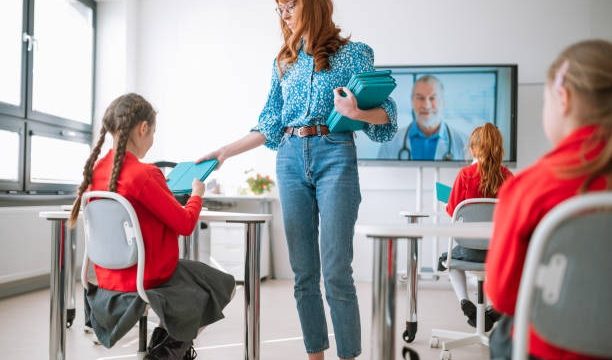
As we explore these essential skills, the role of educators and mentors becomes increasingly significant. Teachers can create an environment that nurtures personal growth by encouraging open dialogue, creativity, and exploration. By fostering a culture of respect and understanding, educators can help students feel safe expressing their thoughts and emotions. This supportive atmosphere allows for genuine connections, which are foundational for effective learning.
Incorporating mindfulness practices into the educational experience can also play a pivotal role in preparing students for life. Mindfulness encourages individuals to be present, reducing anxiety and promoting clarity of thought. As students learn to focus on the moment, they become more attuned to their thoughts and feelings. This heightened awareness can lead to better decision-making and improved emotional regulation, both of which are essential for a fulfilling life.
Additionally, promoting a healthy work-life balance is crucial for students. The pressure to excel can often lead to burnout, diminishing the joy of learning. Encouraging students to pursue hobbies, engage in physical activity, and spend time with loved ones can create a more rounded experience. When students learn to prioritize their well-being alongside their academic pursuits, they set the stage for a healthier, happier future.
It’s essential to remember that learning doesn’t stop at graduation. The world is a continuous classroom, and the lessons we gather shape our lives in profound ways. Encouraging a mindset of lifelong learning prepares students to embrace new experiences and challenges with enthusiasm. As they step into adulthood, the curiosity and adaptability they cultivated during their formative years will serve them well, allowing them to thrive in various aspects of life.
In a world that often emphasizes achievement and competition, we can choose to focus on the beauty of personal growth and connection. By prioritizing emotional intelligence, curiosity, adaptability, community engagement, mindfulness, and balance, we prepare students not just for their careers, but for the entirety of their lives. This holistic approach to education enriches their experiences and shapes them into compassionate, resilient individuals ready to contribute positively to society.
Ultimately, learning that prepares students for life is about nurturing the whole person. It’s about creating an environment where they can grow, explore, and discover their passions while developing the skills they need to thrive. As we support the next generation, let’s remember that the journey of education is not merely about the destination; it’s about the experiences, relationships, and growth along the way. Embracing this philosophy can lead to a brighter, more compassionate future for all.