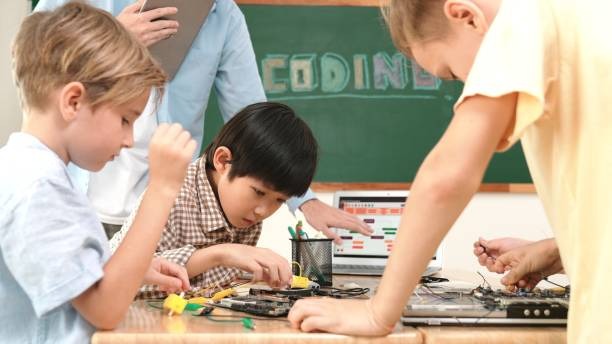
In today’s rapidly evolving world, technology has nestled itself into almost every aspect of our lives, and education is no exception.
The landscape of learning has transformed significantly, with digital tools and resources becoming essential allies for both students and educators.
Supporting student learning through technology can create an engaging, interactive, and personalized educational experience that enriches their journey.
Embracing technology in the classroom is not just about providing students with the latest gadgets; it’s about fostering an environment where learning can thrive in ways that resonate with each individual. From interactive apps to online resources, technology can help cultivate a sense of curiosity and engagement that traditional methods sometimes struggle to achieve.
A world of resources at their fingertips
One of the most profound changes technology has brought to education is the accessibility of information. Students today can explore a vast array of topics with just a few clicks. This ease of access empowers them to take charge of their learning, seeking out information that sparks their interest. The internet is a treasure trove of knowledge, offering everything from instructional videos and online courses to eBooks and scholarly articles.
When students have the ability to research at their own pace, they can dive deeper into subjects that fascinate them. This self-directed exploration nurtures a lifelong love of learning, allowing students to become not just consumers of information, but creators and critical thinkers. Encouraging this level of engagement can make all the difference in their educational experience.
Creating collaborative learning environments
Technology has also transformed the way students collaborate with one another. Gone are the days when group projects meant gathering around a table in the library. Now, students can connect and collaborate from anywhere, using a variety of digital platforms. Tools like Google Docs, Microsoft Teams, or even specialized educational apps allow students to work together seamlessly, regardless of their physical location.
This shift towards digital collaboration fosters a sense of community among students. They learn to communicate effectively, share ideas, and develop problem-solving skills, all while working towards a common goal. Such experiences are invaluable, as they mirror the collaborative nature of the modern workplace, preparing students for future success in their careers.
A personalized learning journey
One of the most remarkable benefits of integrating technology into education is the ability to tailor learning experiences to individual needs. Adaptive learning platforms can analyze a student’s strengths and weaknesses, offering personalized resources and recommendations. This level of customization ensures that students are not left behind and can progress at their own pace.
For instance, a student struggling with math concepts can receive targeted practice problems and instructional videos to reinforce their understanding. Meanwhile, those who excel can be challenged with more advanced materials. This personalized approach not only boosts confidence but also helps students take ownership of their learning, encouraging them to set goals and strive for improvement.
Enhancing engagement through gamification
Another exciting trend in educational technology is gamification. By incorporating game-like elements into learning, educators can transform mundane tasks into engaging challenges. Students are more likely to stay motivated when they can earn points, unlock levels, or compete with their peers in a friendly manner.
This playful approach can be particularly effective in subjects that students might find daunting. For example, learning a new language can feel overwhelming, but when students can earn rewards for completing lessons or participating in interactive games, they often find themselves more enthusiastic about the process. Gamification taps into the natural human desire for achievement and can inspire students to push through challenges they might otherwise avoid.
Fostering digital citizenship
As technology becomes increasingly integral to education, it’s essential to guide students in becoming responsible digital citizens. This means teaching them not only how to use technology effectively but also how to navigate the digital world safely and ethically.
Incorporating lessons on online etiquette, privacy, and the importance of critical thinking when consuming information helps prepare students for the complexities of the digital age. Educators play a crucial role in modeling these behaviors and creating a culture of respect and responsibility in their classrooms. By fostering digital citizenship, we equip students with the tools they need to thrive in an interconnected world.
Balancing screen time with traditional methods
While technology offers many benefits, it’s important to strike a balance between digital and traditional learning methods. Too much screen time can lead to fatigue and disengagement, so incorporating hands-on activities, outdoor learning, and face-to-face interactions is essential.
Encouraging students to unplug and engage with the physical world can enhance their overall learning experience. Whether it’s through nature walks to observe scientific phenomena or art projects that allow for creative expression, these activities can complement digital learning and foster a well-rounded education.
Cultivating a supportive environment
For technology to truly support student learning, it’s vital to create an environment where students feel safe and supported. This means fostering open communication, encouraging questions, and providing constructive feedback. When students know they can express their thoughts without fear of judgment, they are more likely to engage deeply with the material.
Educators and parents alike play a significant role in this process. By actively participating in the learning journey, whether through discussions about what students are exploring online or by joining them in educational activities, adults can reinforce the importance of technology as a tool for growth rather than a distraction.
As we navigate this digital age, the potential for enhancing student learning through technology is vast. By embracing these tools thoughtfully and intentionally, we can create a nurturing environment that inspires curiosity, fosters collaboration, and supports the unique learning journeys of each student. Through a balanced approach that values both digital resources and traditional methods, we can ensure that education remains a dynamic and enriching experience for all.