In a world that thrives on creativity and innovation, school projects can serve as a wonderful platform for students to express themselves and explore their interests.
These projects not only enhance learning but also foster collaboration, critical thinking, and a sense of purpose.
If you’re looking for some fresh inspiration for your next school project, here are a few innovative ideas that encourage creativity while being educational and enjoyable.
Exploring the Environment
One of the most pressing issues of our time is the environment, and students are in a unique position to contribute to the conversation. An engaging school project could involve creating an awareness campaign about local environmental issues. This could include researching local wildlife, pollution levels, or sustainability practices in the community. Students might choose to design posters, create informative videos, or even organize a community cleanup event. Such a project not only educates peers but also empowers students to take action in their own neighborhoods, fostering a sense of responsibility and connection to the world around them.
A small shift toward balance can also be found in projects that focus on personal well-being. Consider a project that explores the benefits of mindfulness and mental health. Students could create a series of workshops that teach their classmates techniques like meditation, deep breathing, or journaling. They might even develop a simple app or website that offers resources and guidance on mental wellness. This type of project not only benefits students’ own mental health but also creates a supportive community atmosphere within the school.
Harnessing Technology for Good
In an age where technology is ever-present, students can harness its power to make a difference. A creative project might involve developing a website or app that addresses a specific need in the community. For instance, students could create a platform that connects volunteers with local organizations or one that helps people find resources for mental health support. This not only allows students to learn valuable tech skills but also encourages them to think critically about how technology can be used for social good.
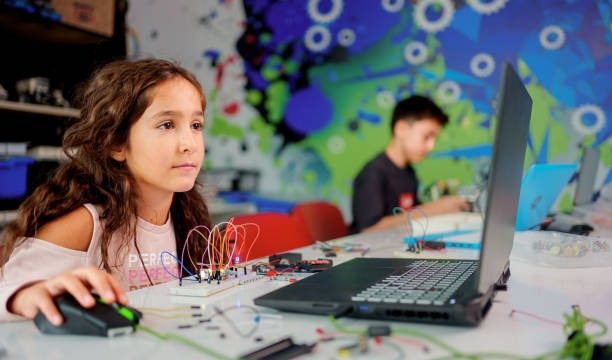
Another idea could be to explore the world of coding through a collaborative game design project. Students can work together to create a simple video game that incorporates educational elements, such as math challenges or historical facts. This allows them to exercise their creativity while learning about programming, teamwork, and problem-solving. The final product could be shared with younger students or even showcased at a school event, sparking interest in both gaming and education.
Art as a Voice
Art has always been a powerful medium for expression, and students can use it to explore social issues that matter to them. A project could involve creating a mural that reflects the diversity and values of the school community. Students can collaborate on the design, gathering input from their peers to ensure that everyone’s voice is represented. This not only beautifies the school environment but also fosters a sense of unity and belonging among students.
Alternatively, students might consider organizing an art exhibition that focuses on a specific theme, such as mental health awareness or climate change. They could invite local artists to contribute, creating a space for dialogue and education. Such projects encourage students to think deeply about the messages they want to convey through their art and engage with their community in meaningful ways.
The Power of Storytelling
Every person has a story to tell, and students can explore this through creative writing or oral history projects. A great idea might be to interview local elders or community members about their life experiences and compile these stories into a book or digital archive. This not only helps preserve local history but also teaches students the importance of listening and empathy.
Incorporating storytelling into a performance art project can also be a captivating way to engage with history or social issues. Students could write and perform a short play that addresses topics they are passionate about, allowing them to express their thoughts and feelings in a creative format. This kind of project nurtures confidence and public speaking skills, while also encouraging collaboration and teamwork.
Cultivating Community Connections
Building connections within the community can be incredibly rewarding. Students could initiate a project that partners with local businesses or organizations to address a specific need. For example, they might create a community garden in collaboration with a local food bank, learning about agriculture, nutrition, and teamwork along the way. This not only provides fresh produce for those in need but also fosters relationships between students and community members.
Another idea could be to organize a mentorship program where older students guide younger ones in their academic or personal development. This kind of project encourages leadership skills and reinforces the importance of giving back, creating a cycle of support that benefits everyone involved.
Reflecting on Personal Growth
At the heart of any school project is the opportunity for personal growth and self-discovery. Students might consider keeping a reflective journal throughout their project journey, documenting their experiences, challenges, and triumphs. This practice encourages mindfulness and helps students articulate their thoughts and feelings about their work. By the end of the project, they can present their reflections alongside their final creation, offering insights into their learning process.
As students embark on these innovative projects, they not only engage with their passions but also develop skills that will serve them well beyond the classroom. The key is to approach each project with an open mind, a willingness to collaborate, and a desire to make a positive impact.
In conclusion, innovative school projects can be a source of inspiration and personal development for students. By exploring themes like environmental awareness, technology for good, artistic expression, storytelling, community connections, and personal growth, students can create meaningful projects that resonate with their peers and the wider world. Embracing these opportunities allows them to cultivate a sense of purpose and passion, laying the foundation for a bright and impactful future.