In a world that often feels fast-paced and ever-changing, the pursuit of student achievement has taken on new dimensions.
It’s not just about grades or test scores anymore; it’s about fostering a deep connection between knowledge and skills that prepares young minds for life beyond the classroom.
This holistic approach to education nurtures well-rounded individuals who can navigate the complexities of modern society with confidence and creativity.
The essence of learning lies in its transformative power. When students engage with material that resonates with their interests and passions, they are more likely to absorb knowledge meaningfully. This connection makes learning a joyful experience rather than a chore. It’s like planting a seed in fertile soil; with the right conditions, it can flourish. Educators and parents alike can create environments that allow these seeds to grow, cultivating a love for learning that lasts a lifetime.
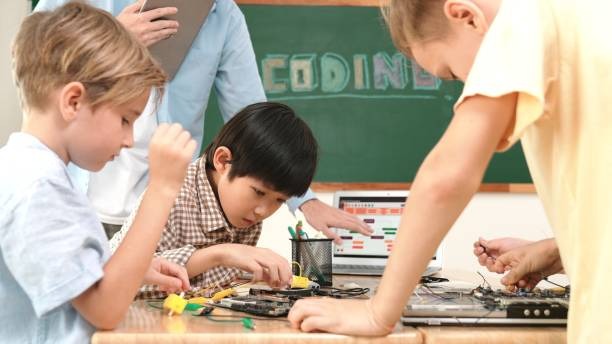
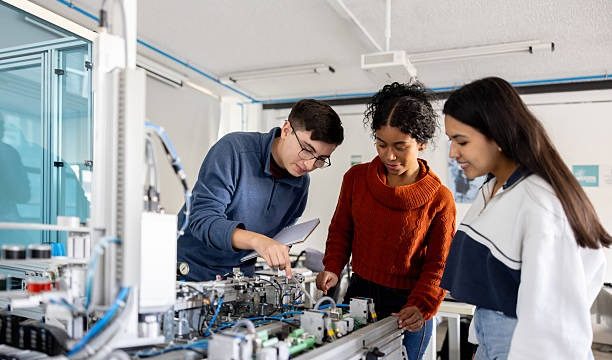
Understanding how to connect knowledge with practical skills is a vital part of this journey. It’s about transcending traditional learning methods and incorporating real-world applications into the curriculum. For instance, when students learn about mathematical concepts through hands-on activities like budgeting for a class event or calculating distances for a field trip, they grasp the relevance of what they’re learning. This practical approach not only enhances their understanding but also equips them with skills they can use outside of school.
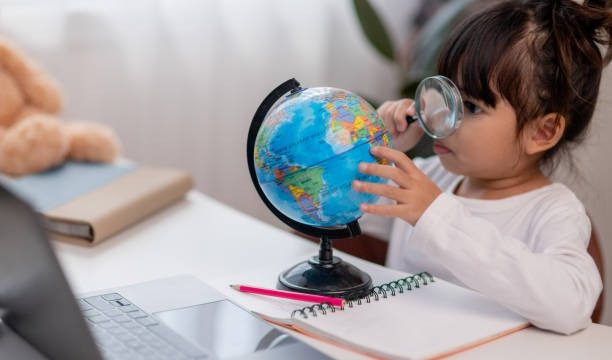
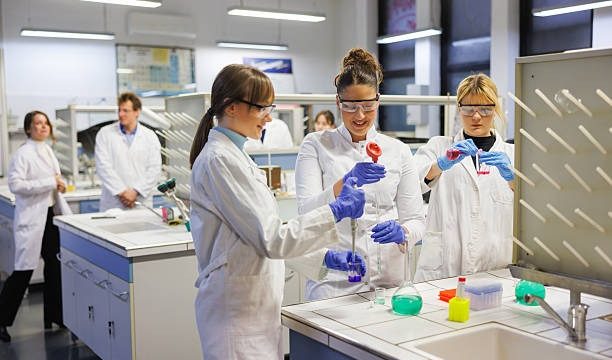
A gentle shift toward experiential learning can enrich students’ educational experiences. This method emphasizes learning through experience, encouraging students to engage actively with the material. Imagine a science lesson that takes place in a local park, where students can observe ecosystems in action. Such experiences allow learners to see the practical implications of their studies, fostering a deeper understanding of the world around them. When students can connect theory with practice, it enhances their ability to retain information and apply it effectively.
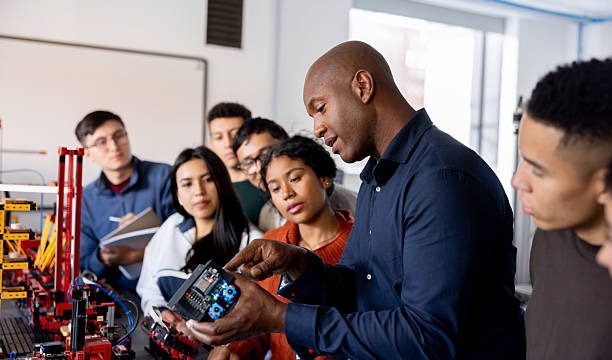
Moreover, collaboration plays a crucial role in bridging the gap between knowledge and skills. When students work together on projects, they not only share their insights but also learn from one another. This collaborative spirit encourages communication, teamwork, and critical thinking—essential skills in today’s interconnected world. Group activities can take many forms, from working on a presentation to organizing community service projects. These experiences teach students how to navigate diverse perspectives and develop solutions collaboratively.
The importance of emotional intelligence in student achievement cannot be understated. As students learn to recognize and manage their emotions, they become better equipped to handle challenges. Emotional intelligence fosters resilience, allowing students to bounce back from setbacks and view failures as opportunities for growth. When students feel supported emotionally, they are more likely to engage fully in their learning journey. This emotional foundation is just as critical as academic knowledge, as it shapes their interactions and decision-making throughout life.
Fostering creativity is another essential aspect of connecting knowledge and skills. In a rapidly evolving world, the ability to think outside the box is invaluable. Encouraging students to explore their creative side through arts, music, or innovative projects allows them to express themselves and develop unique solutions to problems. Creativity isn’t limited to artistic endeavors; it extends to how students approach challenges in all areas of life. By nurturing this skill, educators empower students to become adaptable thinkers and resourceful problem-solvers.
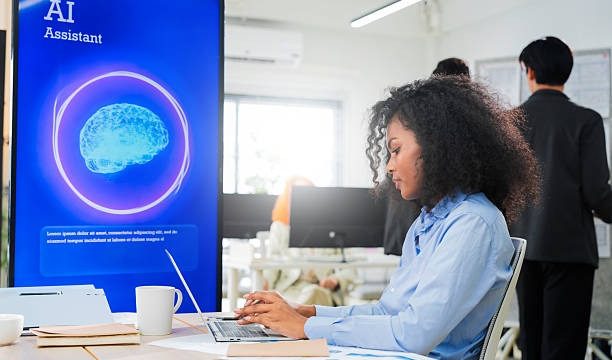
Incorporating technology into learning can also enhance the connection between knowledge and skills. With the digital age upon us, understanding how to navigate technology is crucial for success. Integrating coding, digital media, and research skills into the curriculum prepares students for the future job market. However, it’s essential to strike a balance, ensuring that technology serves as a tool for learning rather than a distraction. When used effectively, technology can create engaging learning experiences that resonate with today’s students.
A supportive community can significantly impact student achievement. When families, educators, and local organizations work together, they create a network of support that enhances the learning experience. Community involvement can take many forms, from mentorship programs to local partnerships that provide resources and opportunities. When students see that their community values education, they are more likely to feel motivated and inspired to succeed. This sense of belonging contributes to their overall well-being and academic performance.
As we reflect on the journey of student achievement, it’s essential to remember that learning is not a one-size-fits-all experience. Each student brings unique strengths, interests, and challenges to the table. The key lies in recognizing and celebrating these differences, creating a learning environment that is inclusive and supportive. When students feel valued for who they are, they are more likely to thrive academically and personally.
Ultimately, the connection between knowledge and skills is about empowering students to become lifelong learners. Education should instill a sense of curiosity and a desire to explore the world around them. When students leave the classroom equipped with both knowledge and practical skills, they are better prepared to face the challenges of the future. This holistic approach to education not only enhances individual achievement but also enriches society as a whole.
In conclusion, fostering student achievement that connects knowledge and skills is a journey that requires the collective effort of educators, families, and communities. By embracing experiential learning, collaboration, emotional intelligence, creativity, and technology, we can create a nurturing environment where students flourish. As we support young minds in their pursuit of knowledge, we also prepare them for a future filled with possibilities, ensuring they are equipped to navigate the complexities of life with confidence and resilience.