In recent years, the concept of collaborative learning has gained considerable traction in educational settings.
The idea is simple yet profound: when students learn together, they not only absorb knowledge but also develop essential skills that will serve them well beyond the classroom.
This approach fosters a sense of community, encourages diverse perspectives, and ultimately leads to greater student achievement.
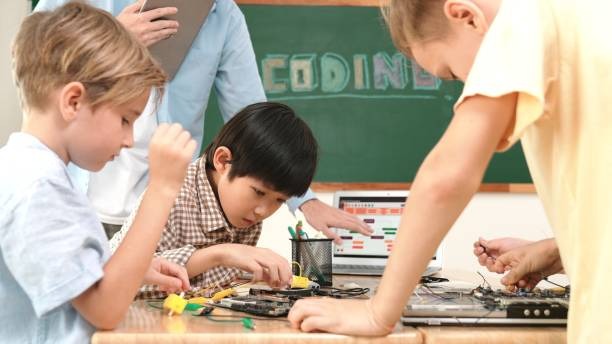
The beauty of learning together lies in its natural flow. Imagine a classroom filled with engaged students, each contributing their unique insights and experiences. They share ideas, challenge each other’s thoughts, and build upon one another’s knowledge. This interactive environment nurtures critical thinking and creativity, vital components of a well-rounded education. When students collaborate, they are not just passive recipients of information; they become active participants in their learning journey.
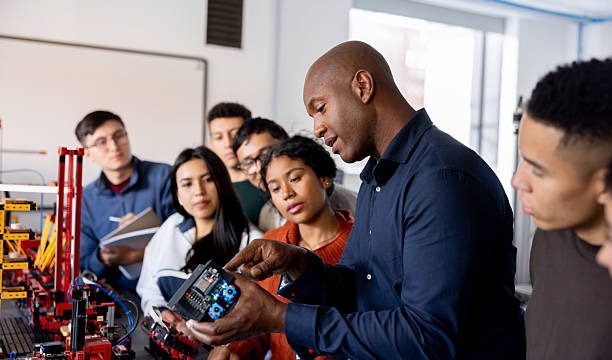
Creating a culture of collaboration within the classroom is essential. Teachers play a crucial role in setting the stage for this dynamic learning environment. By fostering open communication and encouraging students to express their thoughts, educators can create a safe space where everyone feels valued. This sense of belonging can significantly enhance students’ motivation and engagement. When students feel comfortable sharing their ideas, they are more likely to take risks, explore new concepts, and deepen their understanding.
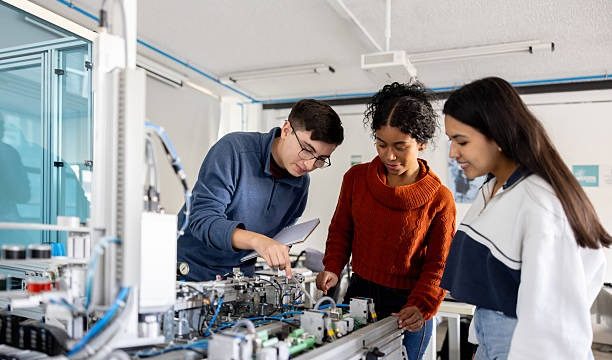
A small shift toward balance can make a world of difference in the learning experience. While individual study is important, the benefits of group work cannot be overstated. Collaborative projects allow students to tackle complex problems together, drawing on each other’s strengths. This collective effort not only leads to better outcomes but also teaches valuable lessons in teamwork and empathy. Students learn to appreciate different viewpoints and develop the ability to compromise, skills that are indispensable in both personal and professional settings.
Moreover, learning together can break down barriers that often exist in traditional educational models. In a collaborative environment, students from diverse backgrounds can come together, enriching the learning experience for everyone involved. This diversity of thought and perspective fosters inclusivity, ensuring that all voices are heard and respected. As students engage with one another, they cultivate a sense of global citizenship, preparing them to thrive in an increasingly interconnected world.
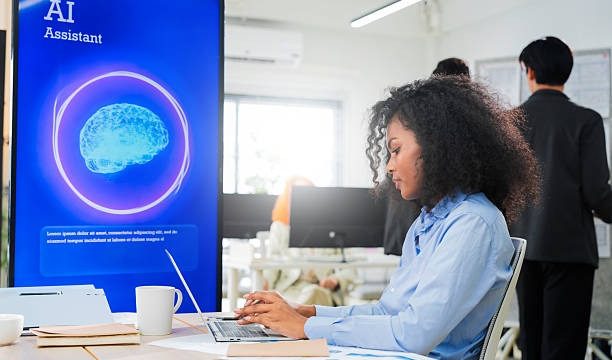
The role of technology in facilitating collaborative learning cannot be overlooked. Digital tools have transformed the way students interact and share knowledge. Online platforms enable group projects and discussions to extend beyond the confines of the classroom, allowing students to connect with peers from different schools, cities, or even countries. This virtual collaboration not only enhances their learning experience but also broadens their horizons, exposing them to new ideas and cultures.
As students embark on their collaborative learning journeys, it is essential to recognize the importance of reflection. Taking time to assess their experiences, both individually and as a group, can lead to deeper insights and personal growth. Encouraging students to think critically about their collaborative efforts helps them identify what worked well and what could be improved. This reflective practice not only reinforces learning but also empowers students to take ownership of their educational experiences.
The benefits of learning together extend beyond academic achievement. Collaborative learning nurtures social skills, emotional intelligence, and resilience. As students navigate group dynamics, they encounter challenges that require patience and adaptability. These experiences build character and prepare them for the complexities of life outside the classroom. The friendships forged during collaborative projects often last long after the school year ends, creating a supportive network that students can rely on for years to come.
As we consider the future of education, it is essential to embrace the idea that learning is a shared journey. By fostering an environment where collaboration thrives, we can cultivate a generation of learners who are not only knowledgeable but also compassionate and open-minded. The classroom can be a microcosm of the world, where students learn to work together, appreciate diversity, and strive for collective success.
In conclusion, the path to greater student achievement is paved with collaboration. As we encourage students to learn together, we are equipping them with the skills and mindset necessary to navigate the complexities of the world. Embracing this collaborative approach in education not only enhances academic performance but also cultivates a sense of community and belonging. Learning together is more than just a method; it is a philosophy that can transform the educational landscape, fostering a brighter future for all. In this shared journey, we find the true essence of learning, where each student plays a vital role in the collective success of the group.