As the new academic year unfolds, educators across the globe find themselves at a crossroads of excitement and anxiety.
The academic calendar is more than just a timetable; it’s a framework that shapes not only lesson plans but also the experiences and growth of students.
With a few thoughtful strategies, you can enhance your classroom preparation and create an environment that fosters learning and connection.
A gentle transition into the new year
The start of a new school year often brings a whirlwind of emotions. Teachers may feel the thrill of meeting new students and exploring fresh curriculum materials, but they might also grapple with the daunting task of organizing the year ahead. Taking a moment to breathe before diving into preparations can be immensely helpful. Reflecting on the previous year’s successes and challenges can provide valuable insights. Consider what worked well and what could be improved, allowing these reflections to guide your planning.
Creating a flexible roadmap
An academic calendar serves as a guide, yet it’s essential to remain adaptable. Life in the classroom can be unpredictable, with unexpected events and learning moments that can shift your plans. Establishing a flexible roadmap allows you to respond to these changes without losing your sense of direction. Consider setting aside time each week to review your plans and make adjustments based on the needs of your students. This practice not only helps keep you organized but also encourages a responsive teaching style that can greatly benefit your classroom environment.
Cultivating a sense of community
As you prepare for the upcoming academic year, one of the most important aspects to focus on is building a sense of community within your classroom. The relationships you foster will play a significant role in how engaged your students feel throughout the year. Begin by planning activities that promote teamwork and collaboration. These can range from icebreakers at the start of the year to ongoing group projects that encourage students to work together. When students feel connected to one another, they are more likely to thrive academically and socially.
Incorporating mindfulness and well-being
The academic calendar can be a source of stress for both students and teachers. Incorporating mindfulness practices into your classroom routine can help alleviate some of this pressure. Simple techniques, such as starting each day with a moment of silence or guided breathing exercises, can create a calming atmosphere that encourages focus and presence. Additionally, consider integrating discussions about well-being into your curriculum. Topics such as stress management and emotional intelligence not only resonate with students but also equip them with essential life skills.
Building a resource library
A well-stocked resource library is a cornerstone of effective classroom preparation. As you plan your curriculum, take the time to curate materials that align with your teaching goals. This could include books, online resources, or even local community connections that enhance your lessons. Having a diverse range of materials at your fingertips can make lesson planning more efficient and enjoyable. You may also wish to encourage students to contribute to this library, fostering a sense of ownership and pride in their learning environment.
Embracing technology thoughtfully
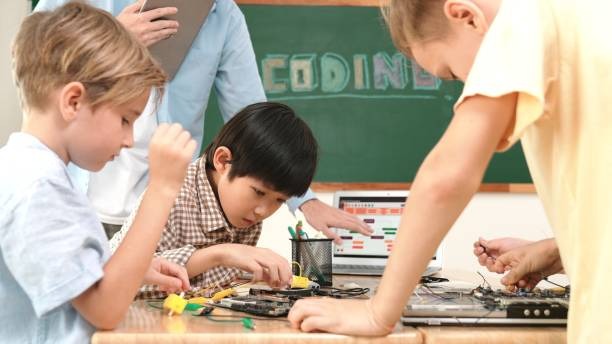
In our increasingly digital world, technology can be a powerful ally in the classroom. However, it’s essential to approach it with intention. As you prepare for the academic year, consider how you can integrate technology in ways that enhance learning rather than distract from it. Explore educational platforms that engage students in interactive ways, and be mindful of balancing screen time with hands-on activities. Teaching students how to use technology responsibly will not only enrich their learning experience but also prepare them for the future.
Reflecting on the journey
As the academic year progresses, it’s important to carve out moments for reflection. Regularly checking in with yourself about your teaching practices and the classroom environment can lead to meaningful growth. Consider setting aside time at the end of each month to evaluate what worked, what didn’t, and how you can adjust your approach moving forward. This reflective practice not only helps you stay aligned with your goals but also models the importance of self-assessment for your students.
Connecting with families
A successful academic year often hinges on strong partnerships with families. Early in the year, take the initiative to reach out to parents and guardians, sharing your vision for the classroom and inviting them to be a part of the journey. Regular communication throughout the year can help build trust and collaboration. Consider hosting family engagement events or sending out newsletters that highlight classroom activities and student achievements. When families feel included, they are more likely to support their children’s learning at home.
Finding joy in the process
Amid the hustle of planning and preparation, it’s crucial to remember the joy that comes with teaching. Each day presents an opportunity to inspire and be inspired. Embrace the small victories, whether it’s a student’s breakthrough moment or a successful lesson that sparked curiosity. Allow yourself to find joy in the process, nurturing your passion for education. When you cultivate a positive mindset, your enthusiasm will inevitably ripple through your classroom, creating an uplifting atmosphere for both you and your students.
As you embark on this academic year, let these tips guide you in crafting a thoughtful and responsive classroom environment. By embracing the academic calendar with intention and flexibility, you can create a space where students feel valued, engaged, and inspired to learn. Remember, the journey is as important as the destination, and with each day, you have the chance to make a lasting impact.