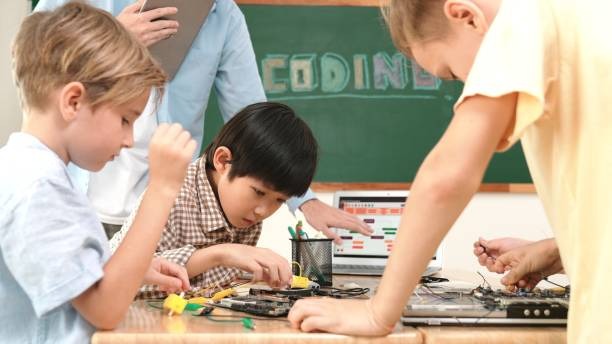
In a world brimming with information and endless possibilities, fostering curiosity in children has never been more important.
Curiosity is a natural trait in children, a spark that ignites their desire to learn and explore.
By nurturing this trait, parents and caregivers can help children develop a lifelong love for learning.
The journey to cultivating a curious mind can be enjoyable and fulfilling, creating a foundation for growth that extends well into adulthood.
Creating an environment that encourages exploration is essential. Children are naturally inquisitive, and they often ask questions that can lead to fascinating discussions. When they inquire about the world around them, it’s an opportunity for parents to engage, explore, and expand on those questions. Instead of providing immediate answers, consider turning the conversation into a collaborative exploration. This not only deepens their understanding but also promotes critical thinking.
One way to nurture curiosity is through play. Play is a powerful tool for learning, allowing children to experiment and discover in a safe environment. Open-ended toys, such as building blocks or art supplies, can stimulate creativity and imagination. Engaging in activities that require problem-solving or collaboration can also enhance their cognitive skills. Whether it’s constructing a fort, creating a masterpiece, or engaging in a pretend play scenario, the possibilities are endless. Allowing children the freedom to explore their interests through play can lead to unexpected discoveries.
A small shift toward balance can be incredibly beneficial. While structured activities have their place, it’s equally important to allow for unstructured time. This is when children can truly let their imaginations run wild. Encourage them to explore nature, investigate their surroundings, or simply daydream. Unstructured time fosters independence and self-direction, allowing children to pursue their interests at their own pace. This balance between structure and freedom can create a rich environment for curiosity to thrive.
Encouraging a love for reading is another vital aspect of nurturing curiosity. Books open doors to new worlds and ideas, allowing children to explore various topics and perspectives. Reading together can be a bonding experience, providing opportunities for discussion and reflection. Choose a diverse range of books, from fiction to non-fiction, that sparks their interests. Visit libraries or bookstores together, making it an adventure in itself. This not only cultivates a reading habit but also shows children the joy of discovering new information.
Incorporating nature into a child’s life can also ignite curiosity. Nature is a magnificent classroom, filled with wonders waiting to be explored. Whether it’s a walk in the park, a hike in the woods, or simply observing insects in the backyard, nature offers endless opportunities for learning. Encourage children to ask questions about what they see and to investigate their environment. This hands-on experience can lead to a deeper understanding of the world, fostering a sense of wonder and appreciation for the natural world.
Another gentle yet effective way to inspire curiosity is through hands-on experiments. Simple science experiments can be conducted at home using everyday materials, making learning interactive and fun. These experiments can spark questions and lead to discussions about scientific concepts in a way that feels engaging rather than overwhelming. Whether it’s creating a volcano with baking soda and vinegar or observing how plants grow, these activities can make complex ideas accessible and enjoyable.
Art and creativity are other avenues through which children can express their curiosity. Encouraging artistic exploration allows children to communicate their thoughts and feelings in unique ways. Provide them with a variety of art supplies and let their imaginations soar. Whether it’s painting, drawing, or crafting, the process of creating can lead to self-discovery and exploration of new ideas. Celebrate their creations, no matter how simple, as this fosters confidence and encourages them to continue experimenting.
Building connections with others can also enhance a child’s curiosity. Engaging with peers, family members, or mentors who share different interests can introduce new ideas and perspectives. Encourage children to participate in group activities or clubs that align with their interests. This not only broadens their horizons but also teaches them the value of collaboration and teamwork. Sharing experiences and learning from others can lead to rich discussions and inspire further exploration.
Lastly, it’s essential to model curiosity as adults. Children learn by observing the behavior of those around them. When they see parents or caregivers expressing curiosity about the world, asking questions, and seeking knowledge, they are likely to emulate that behavior. Share your own interests and discoveries, inviting them to join you in exploring new topics. This not only strengthens your bond but also instills a sense of wonder and excitement about learning.
In conclusion, nurturing curiosity in children is a beautiful journey that can be filled with joy and discovery. By creating an environment that encourages exploration, balancing structured activities with unstructured time, and incorporating reading, nature, art, and social connections, parents can foster a love for learning that lasts a lifetime. The goal is to cultivate inquisitive minds that are not only eager to learn but also excited to engage with the world around them. In doing so, we prepare our children for a future filled with possibilities, where their curiosity becomes the compass guiding them on their path of lifelong learning.