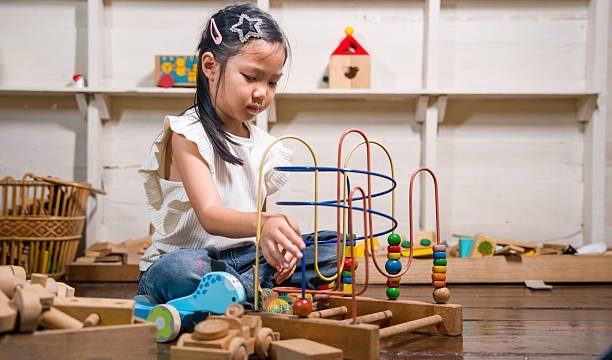
In the world of early childhood development, the importance of play cannot be overstated.
Children are naturally curious, and through play, they engage with their environment, learn about social interactions, and explore their creativity.
Educational games, in particular, have emerged as a powerful tool in fostering cognitive, social, and emotional growth.
As parents and caregivers, understanding how to incorporate these engaging activities into daily routines can create a nurturing atmosphere for learning.
The beauty of educational games lies in their ability to blend learning with fun. They can transform mundane tasks into exciting challenges, encouraging children to explore concepts such as numbers, letters, and even social skills in a playful manner. Imagine a child who is reluctant to practice their alphabet suddenly becoming enthusiastic when they can do so through an interactive game. This is the magic of educational play.
Creating a playful learning environment at home can be as simple as incorporating games into daily activities. For instance, consider using everyday items to create a scavenger hunt that prompts children to identify colors or shapes. A few household objects can become the stars of an adventure, turning a simple walk around the house into an engaging exploration. This not only helps with recognition skills but also encourages observation and critical thinking.
Storytelling is another delightful avenue for educational games. By inviting children to create their own stories or act out their favorite tales, you harness their imagination while enhancing language skills. This can be done through puppet shows, drawing illustrations, or even using toys as characters. The possibilities are endless, and the joy of storytelling can deepen their understanding of narrative structure and vocabulary.
Incorporating music and rhythm into playtime is another gentle yet effective way to promote early learning. Simple songs can introduce counting, patterns, and even language skills. Clapping to the beat or dancing along adds a physical element that keeps children engaged. This not only fosters a love for music but also enhances motor skills and coordination.
Another engaging approach is to utilize technology in moderation. There are numerous educational apps and online resources that can provide interactive learning experiences. When selected thoughtfully, these digital tools can offer a wealth of knowledge while keeping children entertained. The key is to ensure that screen time is balanced with hands-on activities, allowing for a well-rounded approach to learning.
Outdoor play is equally important in early education. Nature itself is a fantastic classroom, offering endless opportunities for exploration and discovery. Simple activities like collecting leaves, observing insects, or even planting seeds can teach children about science and the environment. These experiences not only enhance their understanding of the world but also promote physical health and well-being.
As children engage in these games and activities, it’s essential to remember the power of social interaction. Playing with peers or family members can help develop essential social skills such as sharing, cooperation, and empathy. Group games that require teamwork can be particularly beneficial, as they teach children how to navigate relationships and work towards a common goal.
Creating a supportive atmosphere is vital. Encouraging children to express themselves openly and fostering a sense of curiosity can lead to a lifelong love of learning. Celebrate their successes, no matter how small, and provide gentle guidance when they encounter challenges. This approach cultivates resilience and a willingness to try new things.
As parents, it’s also important to model a positive attitude toward learning. When children see their caregivers engaged in educational activities, whether it’s reading a book, solving a puzzle, or exploring a new hobby, they are more likely to mimic that enthusiasm. This shared experience can deepen bonds and create a family culture that values knowledge and exploration.
The journey of early education is not solely about acquiring knowledge but also about nurturing a child’s sense of wonder and imagination. By engaging in educational games, caregivers can help children develop critical thinking skills, creativity, and a love for learning that will serve them well throughout their lives.
Engaging educational games offer a beautiful way to blend play and learning, creating a harmonious environment where children can thrive. The next time you find yourself wondering how to enrich your child’s early learning experience, consider the myriad of options available. Whether through storytelling, outdoor adventures, or interactive technology, the possibilities are endless.
Ultimately, the goal is to create joyful moments filled with exploration and discovery. These early experiences will leave a lasting impact, shaping the way children view learning and the world around them. As we embrace the journey of early education, let’s cherish these moments of play, for they are the building blocks of a bright future.