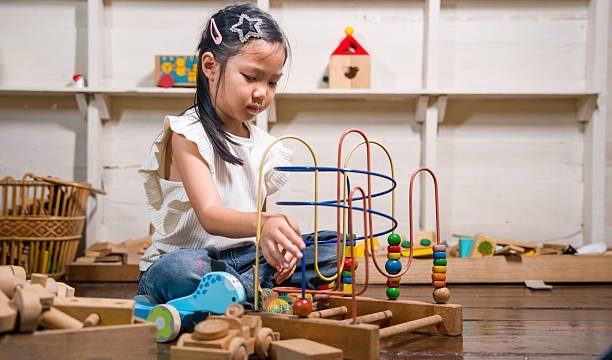
In a world brimming with technology and instant access to information, fostering a love for science in children has never been more important.
Engaging children in fun, hands-on science challenges can ignite their curiosity and encourage critical thinking.
These activities not only promote learning but also create memorable experiences that families can cherish together.
Whether you’re a parent looking to enrich your child’s education or a teacher seeking inspiration for the classroom, these science challenges are sure to spark excitement.
A gentle introduction to scientific exploration can start right in your kitchen. One delightful challenge is to create a homemade volcano. This classic experiment involves simple ingredients like baking soda, vinegar, and food coloring. Children can mold a volcano using clay or even stack up some playdough around a small container. As they mix the baking soda and vinegar, they’ll be mesmerized by the fizzing eruption that follows. This project not only teaches children about chemical reactions but also allows them to express their creativity through the design of their volcano.
Another easy yet fascinating challenge is to explore the world of density with a colorful liquid rainbow. By layering different liquids like honey, dish soap, water, vegetable oil, and rubbing alcohol, children can witness how liquids of varying densities interact. This activity provides a hands-on lesson in the properties of matter while also being visually stunning. As the layers settle, kids can marvel at their colorful creation, reinforcing the concept that science can be both educational and beautiful.
Exploring nature can also serve as a wonderful backdrop for scientific discovery. Encourage children to become nature detectives by embarking on a scavenger hunt in the backyard or a local park. They can look for specific leaves, rocks, or insects, documenting their findings with sketches or photographs. This activity not only fosters a connection with the environment but also encourages observational skills. To deepen the experience, you might discuss the role each item plays in its ecosystem, fostering an appreciation for biodiversity.
As children begin to understand the basics of physics, a simple challenge involving paper airplanes can be both entertaining and educational. Encourage them to design and build their own airplanes using various types of paper. By experimenting with different shapes and sizes, they can learn about aerodynamics and the principles of flight. You can even turn this into a friendly competition to see whose airplane flies the farthest. This challenge emphasizes the scientific method: hypothesizing, testing, and refining their designs based on observed outcomes.
Cooking can also be a delightful way to explore scientific principles. Baking bread, for example, provides an opportunity to discuss yeast and fermentation. Children can measure out ingredients, observe the dough rising, and ultimately enjoy the fruits of their labor. This challenge not only teaches them about chemical reactions and biological processes but also introduces them to the joy of cooking. Sharing the bread with family or friends can further enhance the experience, highlighting the connection between science and community.
For those with a penchant for art, combining science and creativity can yield remarkable results. Encourage children to create their own homemade slime. With basic ingredients like glue, water, and borax, they can mix and match to achieve different textures and colors. This tactile experience is not only enjoyable but also serves as a gateway to discussions about polymers and the science behind viscosity. As they stretch and squish their slime, they’ll be actively engaging with concepts that are often difficult to grasp in a traditional classroom setting.
Exploring the world of plants can also lead to fascinating discoveries. A simple challenge involves growing a bean plant in a clear container. Children can observe the growth process firsthand, tracking changes as the plant roots develop and leaves unfurl. This project can spark discussions about photosynthesis and the life cycle of plants. To make it even more engaging, consider having children decorate their containers, personalizing their little green companions and fostering a sense of ownership over their scientific exploration.
As seasons change, so too can the focus of science challenges. In winter, for example, children can learn about the properties of ice and water through a simple experiment involving freezing and melting. They can create ice sculptures by freezing water in various molds, then observe how the shapes change as they melt. This challenge can lead to discussions about temperature, states of matter, and even climate change, all while keeping the experience light and playful.
Engaging with science doesn’t have to be confined to structured challenges. Encourage children to ask questions about the world around them. A simple walk in the neighborhood can turn into a scientific inquiry as they observe the weather, the changes in plants, or the behavior of animals. Prompting them to think critically about their surroundings fosters a natural curiosity that can lead to further exploration.
Creating an environment that celebrates learning is key to nurturing a lifelong love for science. Consider setting up a small science corner in your home filled with books, supplies, and materials for ongoing experiments. This space can serve as a hub for creativity and inquiry, a place where children feel free to explore their interests.
Ultimately, the goal of these challenges is not just to teach scientific concepts but to inspire a sense of wonder and discovery. By infusing play into learning, children can grasp complex ideas in a way that feels natural and enjoyable. Each challenge presents an opportunity for bonding, laughter, and moments of triumph. As children engage with science in these playful ways, they will not only learn but also develop skills that will serve them throughout their lives.
Encouraging children to explore the world of science through fun challenges is a beautiful way to foster curiosity and creativity. Whether in the kitchen, the backyard, or the classroom, these activities provide an inviting gateway to a deeper understanding of the world. By embracing the joy of discovery, we can help shape the next generation of thinkers, innovators, and problem solvers.