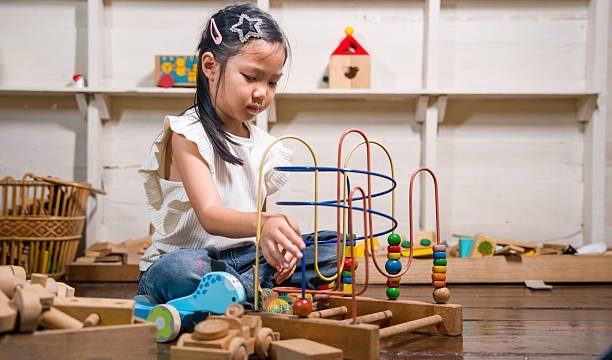
In a world that often feels rushed and demanding, the importance of making learning enjoyable cannot be overstated.
As we navigate the complexities of education, whether at home or in a classroom, infusing creativity into the learning process can transform mundane tasks into engaging adventures.
Creative projects not only stimulate the mind but also nurture a sense of curiosity and joy, making learning a delightful experience.
The beauty of creative projects lies in their versatility. They can span across various subjects and age groups, offering a fresh approach to traditional learning. Imagine a science lesson where students build their own volcanoes, watching as they erupt with colorful baking soda and vinegar mixtures. Or picture a history project where children create dioramas depicting ancient civilizations. These activities not only reinforce knowledge but also ignite a passion for discovery.
When we think about creativity, it often conjures images of art supplies and messy hands. However, creativity extends far beyond the realm of painting or crafting. It encompasses problem-solving, critical thinking, and innovative approaches to everyday challenges. By encouraging learners to engage in creative projects, we foster an environment where exploration is welcomed, and failure is seen as a stepping stone to success.
One of the most significant benefits of creative projects is their ability to cater to different learning styles. Every child is unique, with distinct ways of processing information. Some may thrive in visual environments, while others may grasp concepts better through auditory or kinesthetic means. A well-rounded creative project can address these diverse needs, allowing each child to shine in their own way. For instance, a group project on ecosystems could include building a model, creating a presentation, and even composing a song about the food chain. Each participant can contribute according to their strengths, fostering teamwork and collaboration.
As we consider the role of creativity in education, it’s essential to remember the importance of a supportive environment. Encouragement from parents, teachers, and peers can significantly enhance a child’s willingness to explore and take risks. When learners feel safe to express themselves, they are more likely to engage fully in the creative process. This supportive atmosphere cultivates resilience, teaching children that it’s okay to stumble along the way. The journey of learning becomes as valuable as the destination.
Incorporating creative projects into learning doesn’t have to be a daunting task. It can begin with small, manageable activities that seamlessly blend into existing curricula. For example, a simple storytelling session can evolve into a puppet show where students create their own characters and scripts. Or a math lesson on geometry can transform into a scavenger hunt where children find and measure shapes in their environment. These subtle shifts invite creativity into the everyday learning experience, making education feel less like a chore and more like an adventure.
In our fast-paced society, it’s easy for both students and educators to become overwhelmed by the pressures of standardized testing and rigid curriculums. However, allowing space for creative projects can serve as a refreshing counterbalance. These activities encourage mindfulness and presence, as they require focus and engagement in the moment. When learners immerse themselves in a creative task, they often lose track of time, experiencing a state of flow that enhances retention and understanding.
Moreover, creative projects can be a powerful tool for building connections among learners. Collaborative projects foster communication and teamwork, essential skills in today’s interconnected world. When students work together to brainstorm ideas, share responsibilities, and celebrate each other’s contributions, they develop a sense of community and belonging. This camaraderie not only enhances the learning experience but also lays the groundwork for lasting friendships and support networks.
As we explore the potential of creative projects, it’s important to recognize the role of reflection in the learning process. After completing a project, taking time to discuss what worked well, what challenges arose, and what could be improved fosters a growth mindset. This practice encourages learners to view challenges as opportunities for growth rather than obstacles. By instilling a sense of curiosity and a willingness to learn from experiences, we empower children to become lifelong learners.
In our quest to make learning fun through creative projects, we should also consider the integration of technology. In this digital age, technology can enhance creativity in remarkable ways. From creating digital art and music to utilizing online platforms for collaborative projects, the possibilities are endless. Encouraging students to harness technology as a tool for creativity not only prepares them for the future but also keeps their learning experience relevant and engaging.
Ultimately, the goal of education is to inspire a love of learning that lasts a lifetime. By incorporating creative projects into our teaching methods, we can ignite that passion and cultivate a sense of wonder in learners of all ages. These projects not only make learning enjoyable but also equip students with essential skills they will carry with them beyond the classroom.
As we embrace the power of creativity in education, let us remember that learning should be a joyful journey. By nurturing curiosity, fostering collaboration, and encouraging exploration, we can create an environment where every learner feels valued and inspired. Through creative projects, we can transform the landscape of education, making it a vibrant tapestry of experiences that enrich the mind and spirit alike.