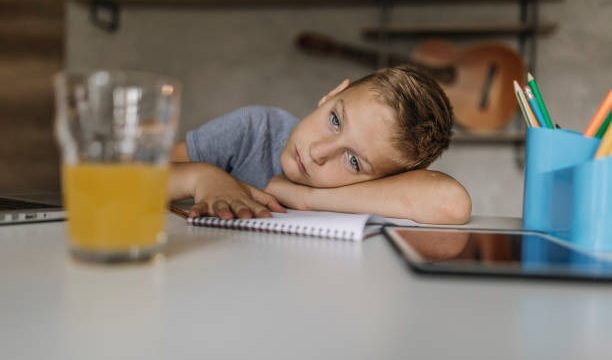
In our fast-paced world, education often feels like a race.
Children are expected to absorb a vast amount of information, often at the expense of their innate curiosity and joy for learning.
Yet, what if we took a step back and embraced a more playful approach to education? This is where the concept of playful learning comes into play, offering a refreshing perspective that can transform the educational landscape.
Playful learning is not just about incorporating games into the curriculum. It is an approach that encourages exploration, creativity, and a genuine love for learning. By fostering an environment where children can engage with their surroundings in a playful manner, we can help them develop critical thinking skills, emotional intelligence, and social abilities, all while making education a joyful experience.
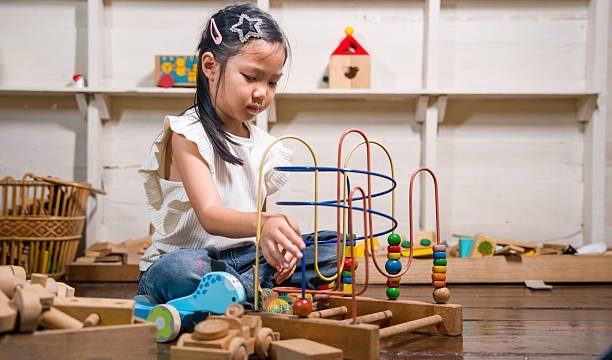
At its core, playful learning taps into the natural instincts of children. From a young age, children are curious beings, constantly exploring the world around them. They learn through observation, experimentation, and interaction. By embracing this instinct, educators and parents can create environments that stimulate curiosity and encourage discovery. Instead of viewing learning as a chore, playful learning invites children to see it as an adventure.
Imagine a classroom where math isn’t just about numbers on a page, but rather a treasure hunt where students solve puzzles to unlock the next clue. Science could be transformed into a hands-on experiment, allowing children to mix ingredients and observe reactions. Even literature can become a dynamic storytelling session where students act out their favorite characters. By integrating play into learning, we can create memorable experiences that resonate far beyond the classroom.
Creating a playful learning environment doesn’t have to be limited to formal educational settings. Parents can easily incorporate playful learning into their daily routines. Simple activities like cooking together can teach children about measurements and following instructions, all while fostering teamwork and communication. Nature walks can become opportunities for scientific exploration, where children can collect leaves or rocks and learn about their characteristics. Even chores can be turned into games, making mundane tasks more enjoyable and engaging.
One of the most significant benefits of playful learning is its ability to foster emotional development. When children engage in play, they learn how to navigate social interactions, resolve conflicts, and express their emotions. They develop empathy as they take on different roles during imaginative play, understanding perspectives beyond their own. This emotional intelligence is invaluable as they grow, equipping them with the skills needed to thrive in diverse environments.
Moreover, playful learning encourages resilience. In a playful atmosphere, mistakes are seen as part of the learning process rather than failures. Children learn to experiment without fear, understanding that each attempt brings them closer to success. This mindset is crucial in a world that often values perfection over progress. By nurturing a love for learning through play, we empower children to face challenges with confidence and creativity.
As we explore the concept of playful learning, it’s essential to consider the role of educators. Teachers can be the catalysts for this shift, creating environments that prioritize play as a legitimate form of learning. Professional development programs can focus on equipping educators with the tools and strategies necessary to integrate playful learning into their classrooms. By collaborating and sharing best practices, teachers can inspire one another to think outside the box and embrace innovative teaching methods.
The impact of playful learning extends beyond the classroom and home. Communities can play a pivotal role in supporting this approach by creating spaces that encourage play and exploration. Parks, libraries, and community centers can offer programs and resources that promote playful learning experiences. By fostering a culture that values play, we can create a supportive network for children and families, reinforcing the importance of a balanced approach to education.
As we navigate the complexities of modern education, it’s crucial to remember that learning should be a joyful journey. Playful learning offers a pathway to reimagine education, one that honors the curiosity and creativity inherent in every child. By prioritizing play, we not only enhance academic outcomes but also nurture well-rounded individuals who are equipped to navigate the challenges of life.
In a world that often emphasizes achievement and results, playful learning reminds us of the beauty of the process. It encourages us to slow down, to explore, and to engage with the world in a meaningful way. As we embrace this approach, we cultivate a generation of learners who are not only knowledgeable but also compassionate, resilient, and eager to explore the endless possibilities life has to offer.
In conclusion, transforming education through playful learning is not just a dream; it is a tangible reality waiting to be embraced. By shifting our perspectives and fostering environments that celebrate exploration and creativity, we can unlock the full potential of every child. Let us take this journey together, one playful step at a time, and create a brighter future for generations to come.