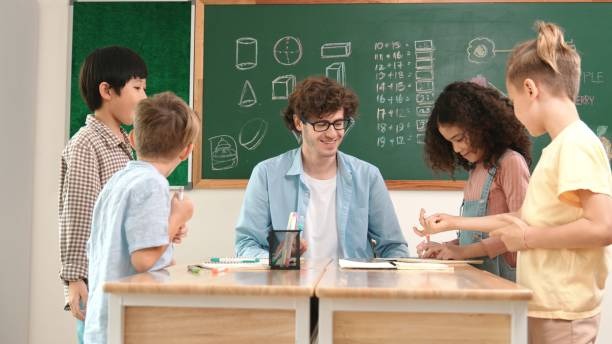
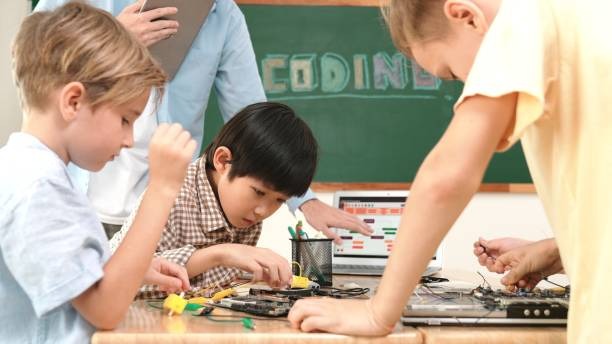
In the fast-paced world of education, there’s an age-old adage that continues to resonate: students learn best by doing.
This simple yet profound truth reflects the essence of experiential learning, a concept that emphasizes the importance of hands-on experiences in the learning process.
Whether it’s through engaging in projects, participating in discussions, or immersing oneself in real-world scenarios, the act of doing can transform the way knowledge is acquired and retained.
The beauty of learning by doing lies in its ability to engage students on multiple levels. When learners are involved in activities that require them to apply their knowledge, they often find themselves more invested in the outcome. This engagement fosters a deeper understanding of the material, as students are not merely passive recipients of information but active participants in their own educational journey. This shift from passive learning to active participation can lead to a richer, more meaningful educational experience.
One of the most compelling aspects of experiential learning is its versatility. It can take many forms, from hands-on science experiments in the classroom to internships and community service projects outside of school. For instance, a student studying biology might gain a much deeper understanding of ecosystems by participating in a local conservation project rather than solely reading about it in a textbook. This kind of immersive experience allows students to see the relevance of their studies in a tangible way, making the learning process not only more enjoyable but also more impactful.
There’s also something inherently human about the process of learning through experience. It mirrors the way we navigate life itself. We learn to ride a bike not by reading about it, but by getting on the bike and pedaling, sometimes falling, and eventually finding our balance. This cycle of trial and error is integral to the learning process, teaching students resilience and adaptability. In an educational landscape that often emphasizes grades and standardized tests, fostering a culture that values doing can help cultivate these essential life skills.
Creating environments that encourage active learning can be transformative. Educators and parents alike can play a pivotal role by providing opportunities for students to engage with their surroundings and explore their interests. This might mean encouraging a child to take part in a science fair, pursue a passion project, or even join a local club that aligns with their interests. Such opportunities not only enhance the learning experience but also help students develop a sense of agency and ownership over their education.
As we consider the benefits of learning by doing, it’s important to recognize the role of collaboration. Many hands make light work, and this proverb rings true in educational settings. Group projects, team sports, and collaborative art initiatives can foster a sense of community among students. When learners come together to solve problems or create something new, they not only learn from each other but also build essential social skills. This collaborative spirit can lead to lasting friendships and networks that extend beyond the classroom.
Another aspect of experiential learning is the power of reflection. When students engage in hands-on activities, they have the opportunity to reflect on their experiences, consider what worked, what didn’t, and how they can improve in the future. Reflection encourages critical thinking and self-awareness, helping students to internalize their learning and apply it in new contexts. This practice of looking back and assessing one’s own journey can be incredibly valuable as students navigate both their academic and personal lives.
Incorporating experiential learning into education isn’t without its challenges. Traditional educational frameworks often prioritize theoretical knowledge and standardized testing, which can overshadow the importance of practical experience. However, as more educators and institutions recognize the value of learning by doing, there’s a growing movement toward reforming curricula to include more hands-on activities. This shift not only benefits students academically but also prepares them for the complexities of the modern world, where adaptability and problem-solving skills are crucial.
As we explore the benefits of learning through experience, it’s essential to acknowledge the role of technology in facilitating these opportunities. Digital tools can enhance experiential learning by providing interactive platforms for collaboration, simulations, and virtual experiences. Online courses, educational apps, and even social media can connect learners with experts and peers, expanding their horizons and enriching their educational journey. Technology, when used thoughtfully, can serve as a bridge that connects students to the larger world of knowledge and experience.
Ultimately, the philosophy of learning by doing invites us to reimagine education as a dynamic and fluid process. It encourages us to embrace curiosity, explore new ideas, and engage with the world around us. By fostering an environment where students are encouraged to take risks, ask questions, and learn from their experiences, we can cultivate a generation of lifelong learners who are not only knowledgeable but also passionate about their pursuits.
In a world that often emphasizes achievement and outcomes, it’s important to remember that the journey of learning is just as significant as the destination. Embracing the concept that students learn best by doing can lead to transformative experiences that shape not only their academic success but also their personal growth. As we support the next generation in their educational journeys, let’s champion the value of hands-on experiences and the joy of discovery that comes from active participation in learning. By doing so, we can help students unlock their full potential and inspire a lifelong love of learning that extends far beyond the classroom.