In today’s educational landscape, the shift towards student-centered learning is becoming more pronounced.
This approach emphasizes the importance of tailoring the learning experience to meet the diverse needs and interests of students.
As educators and facilitators, we can foster an environment that encourages curiosity, exploration, and collaboration.
At the heart of this transformation lies a treasure trove of lesson resources that can enhance the student-centered learning experience.
Creating a space where students feel empowered to take charge of their learning is essential. This begins with understanding that each learner brings unique perspectives and strengths to the classroom. By incorporating a variety of lesson resources, educators can create a rich tapestry of learning opportunities that resonate with each student.
One of the most effective strategies for student-centered learning is the integration of project-based learning. This approach invites students to engage in real-world challenges, encouraging them to apply their knowledge and skills in meaningful ways. For instance, imagine a classroom where students are tasked with designing a community garden. They would research the best plants for their local climate, strategize on the layout, and even collaborate with local experts. This experience not only deepens their understanding of biology and ecology but also fosters teamwork and problem-solving skills.
To support project-based learning, educators can utilize various resources that inspire creativity and critical thinking. Online platforms, such as educational websites and interactive tools, offer a wealth of materials that can be adapted to fit different subjects and grade levels. These resources often include multimedia content, which can enhance engagement and make learning more dynamic. For example, students can watch videos, participate in virtual simulations, or even connect with professionals in the field they are studying.
Another valuable component of student-centered learning is the incorporation of technology. In our increasingly digital world, technology can serve as a powerful ally in the classroom. Interactive applications and educational software can provide personalized learning experiences, allowing students to progress at their own pace. For instance, language-learning apps can help students practice vocabulary and grammar through gamified exercises that feel less like homework and more like play.
However, it’s important to remember that technology should complement, not replace, traditional learning methods. Balancing digital resources with hands-on activities can create a more holistic learning environment. Consider integrating art projects, science experiments, or even outdoor learning experiences into your curriculum. These activities not only cater to various learning styles but also allow students to engage with the material in a tactile way, making their learning journey more memorable.
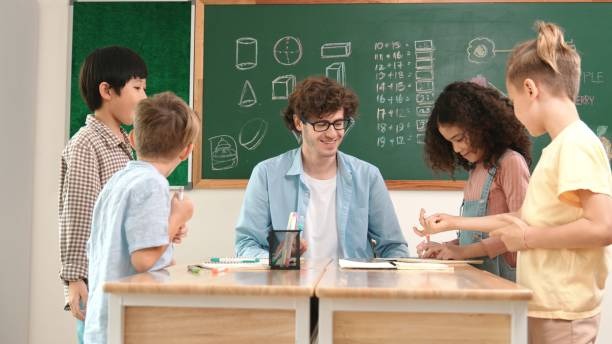
A gentle shift toward collaboration can also enhance student-centered learning. When students work together, they learn from one another, share diverse viewpoints, and develop essential social skills. Group projects and peer-to-peer learning opportunities can be particularly effective in fostering a sense of community within the classroom. Encouraging students to discuss their ideas, reflect on their learning, and support one another can lead to deeper understanding and retention of information.
Incorporating student voice into the learning process is another crucial aspect of student-centered education. When students feel that their opinions and interests are valued, they are more likely to be engaged and motivated. Educators can create spaces for students to express their preferences regarding topics, projects, or even classroom rules. This can be as simple as conducting surveys or facilitating discussions where students can share their thoughts. By giving students a stake in their learning experience, they become more invested in their education.
Of course, assessment plays a vital role in student-centered learning as well. Traditional testing methods may not always capture the full spectrum of a student’s abilities. Instead, consider alternative assessment methods that reflect the diverse talents within your classroom. Portfolios, presentations, and self-assessments can provide valuable insights into student progress and understanding. These approaches not only celebrate individual achievements but also encourage students to take ownership of their learning journey.
As we explore the myriad of lesson resources available to support student-centered learning, it’s essential to remain flexible and open-minded. Education is not a one-size-fits-all endeavor, and what works for one group of students may not resonate with another. By continuously seeking out new resources and strategies, educators can adapt their teaching methods to better serve their students’ needs.
In the quest for effective lesson resources, networking with fellow educators can be incredibly beneficial. Joining professional learning communities, attending workshops, and engaging in discussions with colleagues can inspire fresh ideas and foster collaboration. Sharing resources and experiences can create a supportive environment where educators feel empowered to innovate and experiment.
Ultimately, the goal of student-centered learning is to nurture a sense of curiosity and lifelong learning in students. By providing diverse lesson resources and embracing a variety of teaching methods, educators can create a vibrant learning environment that inspires students to explore their passions and interests.
As we continue to evolve in our teaching practices, let us remember that education is a journey, not a destination. Each lesson, each resource, and each interaction contributes to the beautiful mosaic of learning that shapes our students’ lives. By prioritizing student agency and engagement, we can cultivate a generation of learners who are not only knowledgeable but also enthusiastic about the world around them.
In conclusion, the resources we select and the methods we employ in our classrooms can make a significant difference in the learning experience. By embracing a student-centered approach, we are not just teaching; we are nurturing the future. Let’s celebrate the unique contributions of each student and foster an environment where learning is a shared adventure, rich with possibilities.