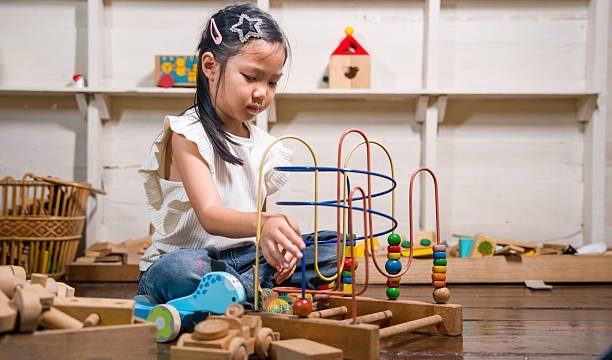
In a world that often feels fast-paced and overwhelming, guiding learners toward strong foundational skills can be a nurturing and enriching journey.
The process of learning is not solely about acquiring knowledge; it involves fostering a sense of curiosity, developing critical thinking, and building resilience.
These fundamental skills serve as the bedrock for future academic and personal success, allowing individuals to navigate life’s challenges with confidence and grace.
Creating a supportive environment is essential for learners to thrive. This begins with understanding that each individual has a unique learning style and pace. Some may flourish in structured settings, while others thrive in more open, exploratory environments. Acknowledging these differences is key to fostering a sense of belonging and encouraging learners to engage more deeply with their education.
It’s important to cultivate an atmosphere that celebrates curiosity. When learners feel safe to ask questions and explore their interests, they are more likely to develop a love for learning that lasts a lifetime. Encouraging exploration can take many forms, from hands-on activities to discussions that allow individuals to express their thoughts and ideas freely. This kind of engagement not only enhances knowledge retention but also builds confidence in their ability to think critically and independently.
As we guide learners, nurturing foundational skills in literacy and numeracy is vital. Reading, writing, and mathematics are not just subjects; they are the languages through which individuals communicate and understand the world. Incorporating these skills into everyday activities can make learning feel seamless and relevant. For instance, reading together can turn into a cozy bedtime ritual, while simple math games can transform mundane chores into enjoyable challenges. By intertwining learning with daily life, we create a rich tapestry where foundational skills are woven into the fabric of everyday experiences.
A small shift toward balance can also play a significant role in this journey. It’s easy to get caught up in the pressures of academic achievement, but it’s equally important to prioritize emotional and social development. Encouraging learners to engage in cooperative play, group projects, or community service fosters essential social skills such as teamwork, empathy, and communication. These experiences not only enhance interpersonal skills but also help learners understand their place in a broader community.
Mindfulness is another gentle yet powerful tool that can aid in developing foundational skills. Teaching learners to pause, reflect, and focus on the present moment can significantly improve their ability to concentrate and absorb information. Simple practices, such as deep breathing or guided imagery, can help learners manage stress and enhance their overall well-being. When individuals feel calm and centered, they are better equipped to tackle challenges and embrace new learning opportunities.
As we support learners on their journey, it’s crucial to maintain open lines of communication. Regular conversations about their experiences, feelings, and challenges can provide insights into their needs and aspirations. Listening actively and validating their emotions can help create a trusting relationship, allowing them to feel comfortable sharing their thoughts. This connection not only enhances their learning experience but also builds their emotional intelligence, which is essential for navigating life’s complexities.
In our quest to guide learners, it’s equally important to model lifelong learning ourselves. Demonstrating curiosity and a willingness to learn new things can inspire learners to adopt the same mindset. Sharing our own learning experiences, whether it’s picking up a new hobby or exploring a new topic, can spark their interest and encourage them to pursue their passions. When learners see the joy and fulfillment that comes from continuous growth, they are more likely to embrace their own learning journeys.
Celebrating small victories is another vital aspect of guiding learners. Recognizing their achievements, no matter how minor, can boost their self-esteem and motivate them to keep pushing forward. Whether it’s mastering a new skill, completing a challenging project, or simply showing up consistently, acknowledging these moments fosters a positive learning environment. It reinforces the idea that progress is a journey, and every step taken is valuable.
As we reflect on the path of guiding learners toward strong foundational skills, it’s essential to remember the importance of patience. Growth takes time, and each learner progresses at their own pace. Embracing this reality can alleviate the pressures often associated with academic success. By fostering a culture of patience and understanding, we create a nurturing environment where learners can feel secure in their journey without the weight of unrealistic expectations.
Ultimately, the goal is to empower learners to become confident, capable individuals who are well-equipped to face the world. By guiding them toward strong foundational skills, we are not just preparing them for academic success; we are nurturing their ability to think critically, engage compassionately, and approach challenges with resilience. This holistic approach to learning lays the groundwork for a fulfilling life, allowing individuals to navigate their paths with grace and purpose.
As we embark on this journey together, let us remember that the process of guiding learners is as much about the experiences we share as it is about the knowledge we impart. By weaving together curiosity, emotional intelligence, and a love for learning, we can help cultivate a generation that not only excels academically but also thrives in every aspect of life. In nurturing these foundational skills, we are ultimately nurturing the future—a future filled with promise, potential, and endless possibilities.