In today’s fast-paced world, technology weaves itself into the fabric of our daily lives, transforming the way we communicate, work, and learn.
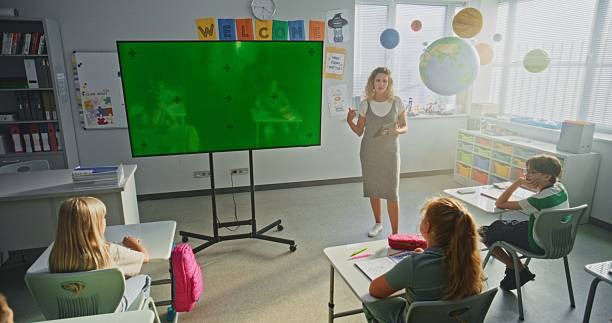
One notable advancement in educational settings is the interactive whiteboard.
These innovative tools are not just a passing trend; they have become a cornerstone of modern classrooms, offering a fresh approach to teaching and learning.
The charm of interactive whiteboards lies in their ability to engage students in a way that traditional chalkboards simply cannot. Imagine a classroom where students are not just passive recipients of information but active participants in their learning journey. Interactive whiteboards facilitate this shift, inviting students to interact with lessons through touch, movement, and collaboration. This dynamic engagement can ignite curiosity and foster a genuine love for learning.
The beauty of these boards is not solely in their technology but in how they enrich the educational experience. Teachers can present lessons that incorporate multimedia elements—videos, images, and interactive applications—turning a simple lecture into an immersive experience. For example, instead of merely reading about the water cycle, students can visualize it through animations and simulations, deepening their understanding of complex concepts. This interactive approach caters to various learning styles, ensuring that each student can connect with the material in a way that resonates with them.
As classrooms evolve, so too do the needs of educators. Interactive whiteboards serve as powerful tools for teachers, allowing them to organize lessons dynamically and adjust their teaching strategies on the fly. With the ability to annotate, highlight, and rearrange content in real time, educators can create a more fluid and responsive learning environment. This adaptability not only enhances lesson delivery but also helps maintain student interest and enthusiasm.
Collaboration is another hallmark of modern education, and interactive whiteboards foster a sense of community among students. When working on group projects, students can gather around the board to brainstorm ideas, share their thoughts, and visualize their plans. This hands-on collaboration encourages teamwork and communication, essential skills for success in today’s interconnected world. The interactive nature of these boards allows students to build on each other’s ideas, creating a rich tapestry of creativity and innovation.
Moreover, interactive whiteboards can bridge the gap between different subjects, promoting interdisciplinary learning. For instance, a science lesson can seamlessly incorporate elements of art and math, allowing students to see how these subjects interconnect in real life. This holistic approach to education not only enriches the curriculum but also helps students understand the relevance of their studies beyond the classroom.
In addition to enhancing student engagement, interactive whiteboards can also provide valuable feedback for educators. Many boards come equipped with assessment tools that allow teachers to gauge student understanding in real time. This immediate feedback can inform instructional decisions, helping educators identify areas where students may need additional support. By providing insights into student performance, interactive whiteboards empower teachers to tailor their lessons to meet the diverse needs of their classrooms.
While the benefits of interactive whiteboards are plentiful, it’s essential to consider the challenges that may accompany their implementation. Not all educators may feel comfortable using technology in their teaching, and professional development is crucial for ensuring that teachers can harness the full potential of these tools. Schools that invest in training and support for their staff create an environment where technology can flourish, ultimately benefiting students.
The integration of interactive whiteboards also raises questions about equity in education. Not all schools have equal access to technology, and disparities can create gaps in learning opportunities. It is vital for educational institutions to strive for inclusivity, ensuring that all students have access to the resources they need to thrive. By addressing these challenges, we can create a more equitable learning environment where every student can benefit from modern educational tools.
As we look to the future, the role of interactive whiteboards in education is likely to evolve further. With advancements in technology, we can expect even more innovative features that enhance interactivity and engagement. Virtual reality, augmented reality, and artificial intelligence could all play a part in shaping the next generation of interactive learning. This ongoing evolution promises to keep education fresh, exciting, and relevant to the world outside the classroom.
In the end, interactive whiteboards symbolize a broader shift toward a more engaging and collaborative educational landscape. They embody the idea that learning is not a solitary endeavor but a shared journey. By embracing these tools, educators can create an environment where students feel empowered to explore, question, and innovate.
Ultimately, the integration of interactive whiteboards in modern educational settings reflects a commitment to nurturing curious minds and fostering a lifelong love of learning. As we navigate this ever-changing landscape, let us remember that education is not just about imparting knowledge; it is about inspiring the next generation to think critically, collaborate effectively, and embrace the world around them. With interactive whiteboards leading the way, the future of education looks bright, inviting, and full of possibilities.