In our ever-evolving world, the ability to communicate across languages and cultures is more important than ever.
Multilingual programs have emerged as a vibrant way to make learning not just educational, but also engaging and fun.
As we explore various approaches to language acquisition, it becomes clear that these programs can transform the often daunting task of learning a new language into an enjoyable adventure.
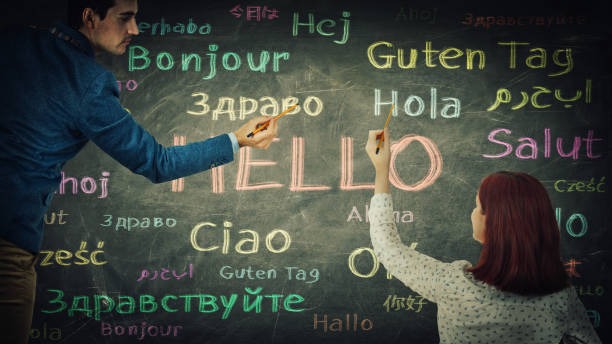
A gentle introduction to language learning can set the stage for a lifetime of curiosity. Many programs today focus on immersive experiences that allow learners to interact with the language in real-world contexts. This approach helps to dissolve the barriers often associated with traditional classroom settings, where rote memorization can feel overwhelming. Instead, learners find themselves in lively environments—whether it’s through interactive apps, games, or community activities—that spark their interest and encourage exploration.
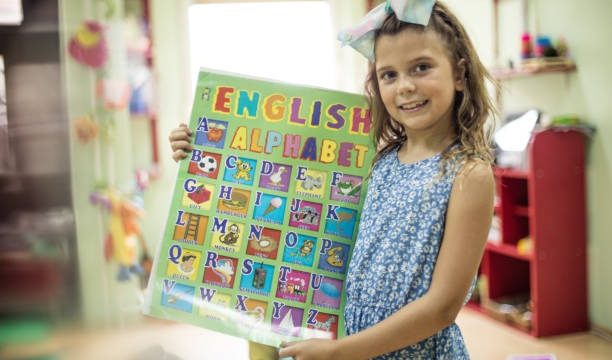
One of the most delightful aspects of multilingual programs is their ability to blend play with education. For children, language learning can be seamlessly integrated into playtime. Picture a vibrant classroom filled with children learning Spanish through songs, stories, and imaginative role-playing. This playful approach not only makes the learning process enjoyable but also allows children to absorb vocabulary and grammar naturally, much like they would their native language.
For adults, the landscape of language learning has expanded significantly. Many programs now incorporate technology, offering online platforms that facilitate learning through engaging content. Language exchange applications allow users to connect with native speakers from around the globe, creating opportunities for real conversations that enhance practical skills. Meanwhile, gamified learning experiences turn language practice into a fun challenge, where users earn points and rewards for their progress.
The beauty of multilingual programs is their inclusivity. They cater to diverse learning styles and preferences, ensuring that everyone can find an approach that resonates with them. Whether through visual aids, auditory tools, or kinesthetic activities, the goal is to make language learning accessible and enjoyable. This personalized touch can significantly boost motivation, as learners feel empowered to take charge of their educational journeys.
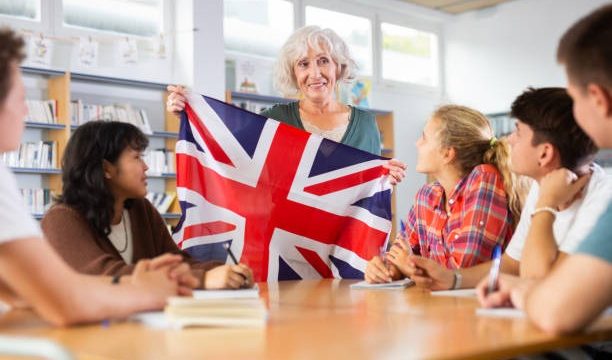
Creating a community around language learning can also enhance the experience. Many programs foster environments where learners can connect with others who share their language goals. Group activities, conversation clubs, and cultural exchanges provide not only practice opportunities but also a sense of belonging. This camaraderie can be incredibly motivating, as individuals cheer each other on and celebrate milestones together.
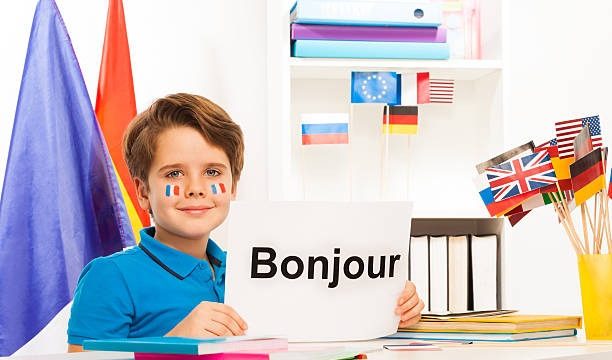
Incorporating cultural elements into language education is another way to enrich the learning experience. Programs that introduce students to the traditions, cuisines, and arts of the cultures associated with the languages they are learning can ignite a deeper appreciation and understanding. Imagine tasting authentic dishes while learning the names of ingredients in another language or participating in traditional dances that teach rhythm and pronunciation. Such immersive experiences help learners see language not just as a set of rules, but as a living, breathing part of a culture.
As we delve deeper into the world of multilingual programs, it’s clear that the journey of learning a new language can be filled with joy and discovery. Engaging with language through creative outlets—such as music, art, and storytelling—offers a refreshing perspective. These avenues allow learners to express themselves while simultaneously honing their language skills. A simple song, for instance, can introduce new vocabulary and phrases in a memorable way, making them easier to recall later.
Moreover, the rise of social media has created new avenues for language learners to connect and share their experiences. Platforms dedicated to language learning foster communities where individuals can post videos, share tips, and offer encouragement. This not only helps learners practice their skills but also builds a sense of accountability and support.
As we reflect on the essence of multilingual programs, it becomes evident that the focus is not solely on language acquisition but on the holistic development of individuals. The personal growth that accompanies learning a new language—such as increased confidence, cultural awareness, and cognitive flexibility—can have a profound impact on one’s life. It opens doors to new friendships, career opportunities, and a greater understanding of the world.
In our pursuit of a multilingual world, it’s essential to embrace the joy of learning. By choosing programs that prioritize fun and engagement, we can shift the narrative around language education. It’s not merely about grammar and vocabulary; it’s about connection, creativity, and the celebration of diversity.
As we move forward in this global landscape, let us encourage one another to explore the beauty of languages. Whether you’re a parent seeking enriching experiences for your child, an adult looking to expand your horizons, or simply someone curious about the world, multilingual programs offer a pathway to adventure. They invite us to step outside our comfort zones and embrace the delightful challenge of learning something new.
Ultimately, the journey of language learning is a personal one, shaped by individual experiences and aspirations. By choosing programs that make learning fun and engaging, we can cultivate a lifelong love for languages. So, let’s embark on this journey together, celebrating each small victory and relishing the rich tapestry of languages that connect us all.