Counting is one of the first skills we learn in life, a fundamental building block that opens the door to understanding the world around us.
It’s not just about numbers; it’s about discovering patterns, developing critical thinking, and nurturing creativity.
Engaging children in imaginative activities can make the process of learning to count a delightful adventure.
Here are some creative ways to inspire counting in everyday life, fostering both joy and understanding.
A gentle introduction to numbers can be found in the cozy realm of storytelling. Children love narratives, and weaving numbers into tales can make counting feel like a natural part of their world. Take a storybook, perhaps one filled with animals or objects, and encourage your little one to count the characters as they appear. For instance, if a story features three little pigs, pause to count them together. This not only reinforces the concept of numbers but also enhances listening skills and comprehension. As the story unfolds, ask questions like, “How many apples are in the basket?” This encourages children to engage actively, turning a simple story into a counting game.
Incorporating counting into playtime can be equally enriching. Gather a variety of toys—blocks, dolls, or action figures—and create a counting session. Ask your child to group the toys by color or size, then count each group together. This not only makes counting fun but also introduces them to basic categorization. You might even transform this into a mini scavenger hunt. Hide toys around the house and challenge your child to find and count them. This playful approach allows them to explore their environment while reinforcing their counting skills.
Exploring nature is another wonderful avenue for discovering numbers. A walk in the park can become an impromptu counting lesson. Count the number of birds you see, the flowers in bloom, or the leaves on a tree. Nature provides a rich tapestry of opportunities to engage in counting without it feeling like a chore. As you stroll, encourage curiosity by asking open-ended questions. “How many clouds can you count today?” This not only promotes counting but also fosters a sense of wonder about the world.
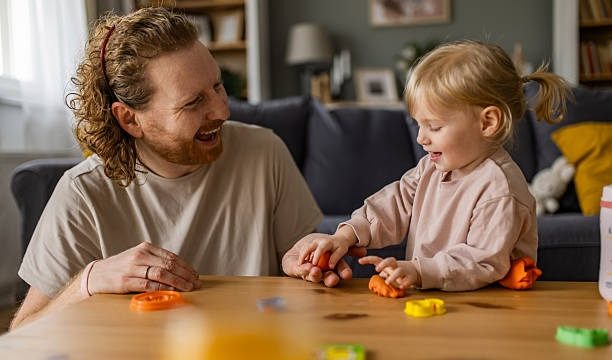
Art can also play a significant role in learning to count. Set up a creative space with paints, markers, or clay, and invite your child to create their own counting masterpiece. They could paint a scene with a specific number of objects, like five stars in the night sky or three trees in a park. As they create, you can count the items together, turning the artistic process into a counting exercise. This approach blends creativity with learning, making it enjoyable and memorable.
Cooking together can be another delightful way to incorporate counting into daily life. When preparing a meal, ask your child to help measure ingredients. For example, if a recipe calls for two cups of flour, let them pour the flour into the measuring cup while counting aloud. This not only teaches them about numbers but also introduces concepts of measurement and following directions. Plus, the satisfaction of enjoying a delicious meal afterward adds a wonderful reward to the learning experience.
A small shift toward balance can also be found in music and rhythm. Songs often have a natural rhythm that can help children learn to count. Teach them simple counting songs that incorporate numbers, or create your own. Hand clapping or tapping feet can enhance the counting experience, making it lively and engaging. Music has a way of sticking in our minds, and the combination of melody and numbers can create lasting memories of learning.
Gardening, too, offers a unique opportunity for counting. If you have access to a garden or even just a few pots, involve your child in planting seeds. Count the seeds as you plant them, and later, as they grow, count the sprouts. This not only teaches counting but also instills a sense of responsibility and care for living things. Watching the seeds grow into plants can spark conversations about nature, patience, and nurturing, all while reinforcing the joy of counting.
Incorporating technology can also be beneficial, as many educational apps focus on counting in fun and interactive ways. While it’s essential to balance screen time, these resources can supplement traditional methods of learning. Look for apps that use games to teach counting, allowing children to engage with numbers in a digital format. This modern approach can be particularly appealing to kids, making learning feel like a game rather than a task.
As you explore these creative activities, remember that the goal is to foster a love for learning rather than to create pressure around counting. Celebrate small successes, whether it’s counting to ten or identifying numbers in everyday life. Encourage your child to see counting as a tool they can use to understand their world, rather than just a skill to master.
The beauty of counting lies in its simplicity and its potential for creativity. By blending learning with playful activities, you can create a nurturing environment that encourages curiosity and exploration. Each number learned is not just a step toward academic success but also a gateway to a broader understanding of the world. As you embark on this journey together, embrace the laughter, the joy, and the moments of wonder that come with learning to count. In doing so, you’ll cultivate not only a skill but also a lifelong love for learning.