In today’s fast-paced world, finding the right tools to engage and educate our children can feel like a daunting task.
The good news is that there’s a treasure trove of fun and educational resources available that can inspire creativity, foster curiosity, and promote learning in a delightful way.
As we explore these tools, we’ll discover how they can help children develop essential skills while enjoying the process.
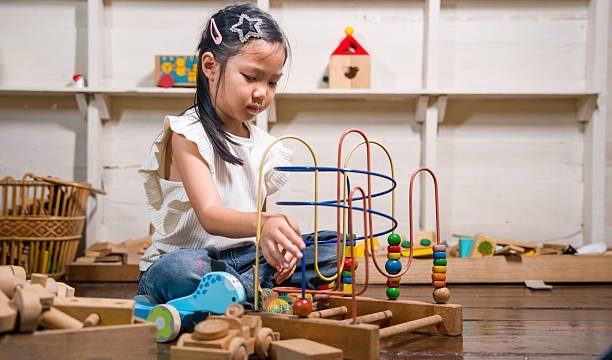
Creating a nurturing environment for learning can start at home, and it doesn’t have to be complicated. One of the most effective ways to stimulate a child’s mind is through play. Play is not just a pastime; it’s a fundamental way that children explore the world around them. Incorporating educational toys into your child’s playtime can turn an ordinary afternoon into a dynamic learning experience.
For instance, building blocks are a classic choice that never goes out of style. They encourage spatial awareness, problem-solving, and fine motor skills as children stack, balance, and create. Whether they’re constructing a towering skyscraper or a simple house, the possibilities are endless. As they engage in this hands-on activity, they also learn about shapes, sizes, and even basic physics principles in a fun, interactive way.
Another wonderful option is the world of puzzles. Puzzles come in countless varieties, from jigsaw puzzles that challenge children’s reasoning to more complex 3D models that can captivate older kids. Working on puzzles together can also be a bonding experience for families, promoting teamwork and communication. As children fit pieces together, they develop patience and perseverance, qualities that will serve them well in all areas of life.
A small shift toward balance can also be found in the realm of technology. While screen time is often viewed with skepticism, there are many educational apps and games designed to engage young minds positively. For example, interactive storytelling apps can spark a child’s imagination while enhancing their reading skills. These platforms often allow children to choose their own adventure, fostering a sense of agency and creativity.
Coding games for kids are another exciting avenue to explore. Introducing basic programming concepts through playful games can ignite an interest in technology and problem-solving. As children learn to create their own games or animations, they develop logical thinking skills that are increasingly valuable in today’s digital landscape.
Gardening, too, is a gentle yet impactful way to teach children about the environment. Engaging kids in planting seeds and watching them grow instills an appreciation for nature and the life cycle. It’s a delightful hands-on experience that can teach them about responsibility and the importance of caring for living things. Whether it’s a small indoor herb garden or a vibrant vegetable patch in the backyard, gardening can foster curiosity and a sense of accomplishment.
Art supplies can also serve as powerful educational tools. Painting, drawing, and crafting allow children to express themselves while developing fine motor skills and hand-eye coordination. Encouraging creativity through art can help children process their feelings and thoughts, making it a wonderful outlet for self-expression. Plus, it’s a great way for families to spend time together, creating lasting memories while exploring new artistic techniques.
Music is another universal language that can enhance learning in a multitude of ways. Learning to play an instrument, singing, or even just enjoying music together can enrich a child’s cognitive development. Research suggests that exposure to music can improve memory, language skills, and even mathematical abilities. Instruments like ukuleles or simple percussion instruments can be accessible entry points for young musicians.
The outdoors also offers a wealth of educational opportunities. Nature walks can turn into exciting adventures filled with discovery. As children explore different environments, they can learn about ecosystems, plants, and wildlife. Collecting leaves, observing insects, or simply enjoying the fresh air can spark a sense of wonder and curiosity about the world.
Incorporating educational tools into everyday life doesn’t have to feel like a chore. It’s about weaving learning into the fabric of daily routines. Cooking together can be a delightful way to teach children about measurements, fractions, and nutrition. As they help prepare meals, they gain practical skills while also learning about the importance of healthy eating habits.
Reading remains one of the most powerful tools for education. Building a cozy reading nook at home can encourage children to dive into the world of books. Reading aloud together fosters a love for stories and can enhance vocabulary and comprehension skills. Visiting the local library can also open up a universe of possibilities, allowing children to explore different genres and topics that spark their interest.
As we consider these fun and educational tools, it’s important to remember that every child is unique. What resonates with one child may not work for another. The key is to observe their interests and adapt activities to meet their needs. This personalized approach not only nurtures their love for learning but also builds their confidence as they explore new concepts and ideas.
Ultimately, the goal is to create an environment where learning feels like a natural and enjoyable part of life. By providing children with engaging tools and experiences, we can help them develop a lifelong love for learning. It’s about striking a balance between education and play, allowing children to thrive in a world filled with curiosity and wonder.
As parents and caregivers, we have the privilege of guiding the next generation toward discovery and growth. With the right tools and a supportive environment, we can inspire our children to embrace learning as a joyful adventure that lasts a lifetime.