Learning Numbers Through Everyday Activities
Numbers are all around us, quietly weaving their way into the fabric of our daily lives.
From the time we wake up to the moment we go to bed, we encounter numbers in various forms.
While we often think of learning numbers as a task best suited for classrooms or textbooks, the truth is that our everyday activities offer a rich tapestry for discovering and understanding numbers in a fun and engaging way.
As we navigate our daily routines, we can turn mundane tasks into delightful learning experiences. This approach not only makes learning enjoyable but also reinforces the practical applications of numbers in our lives.
Finding joy in the kitchen
The kitchen is a treasure trove of numerical opportunities. When preparing a meal, ingredients often come with specific measurements, and understanding these can enhance a child’s grasp of numbers. For instance, when following a recipe, one might encounter fractions, such as half a cup or a quarter teaspoon. This can be a perfect moment to explore the concept of division and fractions in a hands-on manner.
Imagine a scenario where a child is helping to bake cookies. As they measure out two cups of flour, you can discuss what happens when you add another cup. Simple additions and subtractions become tangible as they see the ingredients pile up. Moreover, timing is another aspect to consider. Setting a timer for baking can introduce the concept of seconds, minutes, and hours, making time a relatable and practical concept.
Engaging in outdoor adventures
Nature offers a wonderful backdrop for learning numbers. Whether it’s counting birds in the park or measuring the height of a tree, outdoor adventures can be both educational and exhilarating. A simple walk can become a counting game. For example, you might count the number of steps taken from one point to another, or tally the different types of flowers seen along the way.
If you have a garden, you can incorporate numbers into planting. Discussing the number of seeds to plant in a row or the distance between plants can introduce concepts of measurement and spacing. Observing the growth of plants over days or weeks can also give children a sense of time and the passage of days, further reinforcing their understanding of numbers.
Making the most of grocery shopping
Grocery shopping is another everyday activity brimming with numerical lessons. As you stroll through the aisles, you can teach children about prices, quantities, and budgeting. Discussing the cost of different items and comparing prices can be a practical way to introduce basic math skills. For instance, if a box of cereal costs $3 and a larger box costs $5, you can explore the concept of value and why larger quantities might be more economical.
While shopping, you can also engage in simple addition and subtraction. If you have a budget of $20, challenge your child to help you keep track of the total as you add items to your cart. This not only sharpens their math skills but also teaches them about money management in a real-world context.
Transforming playtime into learning
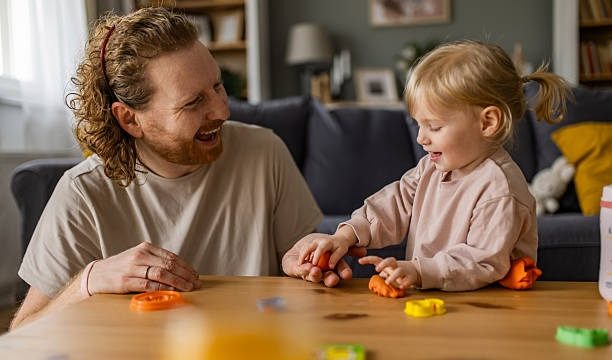
Playtime is often seen as a break from learning, but it can actually be a fantastic opportunity to reinforce numerical concepts. Board games that involve counting spaces or keeping score can be a fun way to practice numbers. Games like Monopoly or Snakes and Ladders require players to count and strategize, naturally incorporating numbers into the fun.
Building with blocks or Legos can also enhance numerical understanding. As children stack blocks, you can discuss concepts such as height, weight, and balance. Counting the number of blocks used for a structure can lead to discussions about addition and subtraction.
Incorporating numbers into storytelling
Storytelling can be a powerful vehicle for learning numbers. Whether reading a book together or crafting your own tales, numbers can be seamlessly woven into narratives. For instance, if you’re reading a story about a family of five or a journey that spans ten miles, you can pause to discuss the significance of those numbers within the context of the story.
As you create stories together, encourage your child to include numbers in their plotlines. Perhaps they might tell a tale of three adventurous animals or seven magical stars. This not only makes numbers relatable but also encourages creativity and imagination.
Creating a rhythm with routines
Routines are an integral part of daily life, and they can also be a wonderful way to introduce numbers. Whether it’s counting the number of days until a special event or discussing the number of meals eaten in a week, routines provide a familiar structure for learning.
You might also consider creating a simple calendar together. Marking off days can help children understand the concept of time and how numbers relate to daily life. This practice can cultivate a sense of anticipation and a greater understanding of the passage of time.
Embracing the world of numbers
As we weave numbers into our everyday activities, we cultivate a more profound understanding and appreciation for them. The beauty of learning numbers through daily experiences is that it fosters a love for learning that extends beyond the classroom. Children begin to see numbers not just as abstract concepts but as integral parts of their lives.
Ultimately, the goal is to create a nurturing environment where numbers are not feared but embraced. By incorporating numbers into our daily routines, we can enrich our lives and those of our children, instilling a sense of confidence and curiosity.
In this journey of discovery, every moment is a learning opportunity waiting to be explored. With a little imagination and a willingness to engage, we can transform the ordinary into the extraordinary, making numbers an exciting part of our everyday adventures.