In today’s fast-paced world, fostering a love for learning in children can sometimes feel like a daunting task.
Yet, the secret to nurturing this passion often lies in the most delightful of places: play.
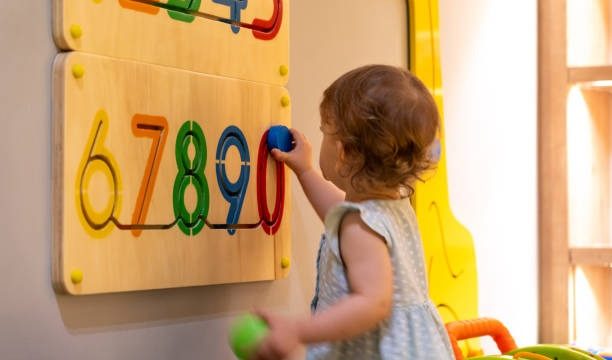
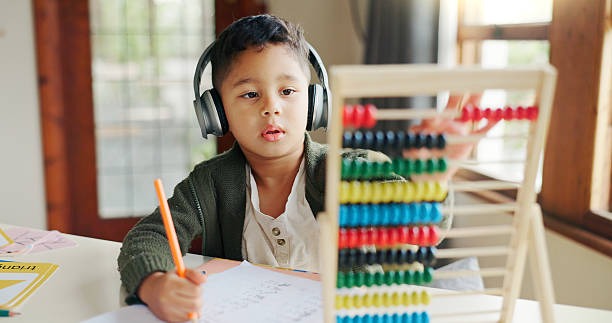
When it comes to number learning, engaging play offers an enchanting pathway for children to explore and understand the world of numbers in a way that feels natural and fun.
The magic of play is that it transforms learning into an adventure. Children are naturally curious, and when they can interact with numbers through games and playful activities, those numbers come alive. Imagine a child building a tower with blocks, counting as they stack each one. Not only are they honing their fine motor skills, but they are also developing an understanding of quantity, balance, and even basic addition and subtraction without even realizing it. This kind of hands-on experience is invaluable.
Finding balance in learning through play is about creating an environment where exploration is encouraged. Simple games like hopscotch can become a joyful way to practice number recognition and counting. As children hop from one square to another, they are not just exercising their bodies; they are also reinforcing their understanding of numbers in a dynamic way. The rhythmic nature of counting while jumping adds a layer of fun that traditional learning methods often lack.
Another wonderful aspect of learning numbers through play is the social interaction it fosters. Group games that involve counting or number recognition can help children learn from each other. They share ideas, negotiate rules, and even discover new ways to approach problems together. This collaborative spirit not only enhances their understanding of numbers but also builds essential social skills. The laughter and joy that accompany these interactions create positive associations with learning, making it more likely that children will embrace it as they grow.
Incorporating everyday activities into number learning can also yield remarkable results. Cooking together, for instance, offers a treasure trove of opportunities for counting and measuring. As children pour ingredients or count eggs, they begin to grasp concepts of volume and weight. These experiences help them understand the practical application of numbers in their daily lives. The sweet smell of freshly baked cookies becomes a delightful reward for their learning efforts, reinforcing the connection between effort and outcome.
Outdoor play can be another vibrant avenue for number exploration. Nature is filled with opportunities to count and measure. Whether it’s counting the number of steps taken on a walk, measuring the height of a tree, or observing patterns in leaves, the world outside is a classroom waiting to be discovered. Engaging with nature not only stimulates their curiosity about numbers but also nurtures a connection with the environment, fostering a sense of wonder that is essential for lifelong learning.
Storytelling is another powerful tool in the realm of number learning. Books that incorporate numbers into their narratives can captivate a child’s imagination while also teaching them essential concepts. Picture books featuring counting themes or stories that involve numbers can be a gentle yet effective way to introduce mathematical ideas. As children listen and engage with the story, they can visualize numbers in a context that feels meaningful and relatable.
Encouraging creativity is also vital in the learning process. Art projects that involve numbers can be both fun and educational. Children can create collages using cut-out numbers, paint with number stamps, or even design their own number games. These activities invite them to express themselves while deepening their understanding of numerical concepts. The blend of creativity and learning allows for a more holistic approach, making numbers not just an abstract concept, but something they can see, touch, and feel.
As parents and caregivers, it’s important to remember that the journey of learning numbers should be as enjoyable as the destination. Celebrating small milestones and progress, no matter how minor, can boost a child’s confidence and motivate them to continue exploring. When children feel supported and encouraged, they are more likely to take risks and engage deeply with the learning process.
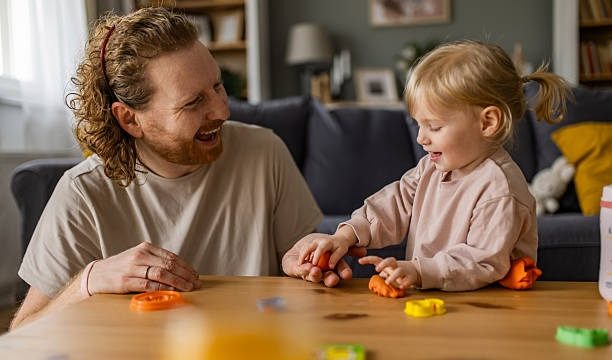
Creating a routine that incorporates playful number learning can seamlessly integrate into daily life. Whether it’s setting aside time for games, exploring nature, or reading together, these moments become cherished memories that strengthen the bond between caregiver and child. It’s in these shared experiences that children often feel the safest to express their curiosity and make mistakes, which are essential components of learning.
Ultimately, the goal is to cultivate a lifelong love for learning in our children. By introducing numbers through engaging play, we help them build a strong foundation that will serve them well in their future academic endeavors and beyond. The lessons learned during these playful moments are often the ones that stick with them the longest, becoming a part of who they are.
As we navigate the journey of education together, let’s embrace the joy that comes from play. It’s through this lens that we can transform number learning into a delightful adventure, one that fosters creativity, curiosity, and a genuine love for the wonders of mathematics. In the end, it’s not just about learning numbers; it’s about nurturing a mindset that values exploration and discovery, ensuring that the path to knowledge is filled with joy and enthusiasm.