Teaching numbers to children can often feel like a daunting task.
However, when infused with games and play, the process transforms into an engaging adventure that fosters both learning and joy.
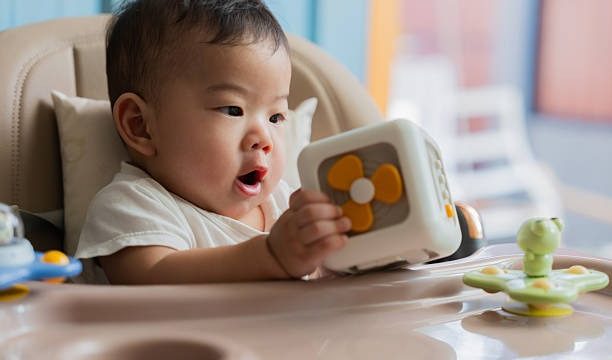
Children are naturally curious and love to explore, making them perfectly suited to absorb concepts through playful activities.
By integrating numbers into games, we can create an environment where learning feels less like a chore and more like a delightful experience.
The magic of play lies in its ability to capture attention. When children are engaged in a game, they are often unaware that they are learning. This subtlety is key. A playful approach to numbers encourages exploration, creativity, and problem-solving, all while nurturing a positive attitude toward learning. In this journey, we can weave in various activities that not only teach numbers but also enhance social skills, coordination, and critical thinking.
Finding the right balance between structure and freedom is essential. While some children thrive on routine, others flourish in more spontaneous environments. It’s beneficial to observe individual preferences and tailor activities accordingly. For instance, some children may enjoy organized games that have clear rules, while others might prefer open-ended play that allows for imagination. Embracing both approaches can create a rich learning tapestry.
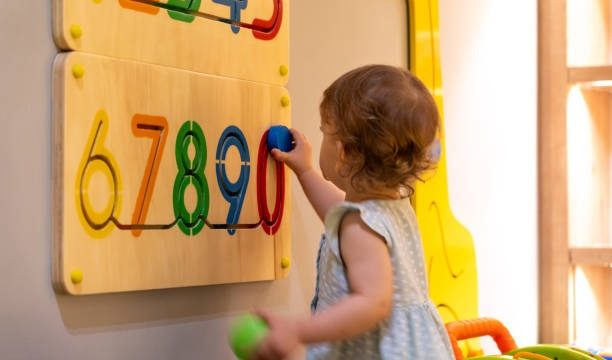
A gentle introduction to numbers can begin with simple counting games. Everyday activities such as setting the table can easily become a playful counting exercise. As children help place forks, spoons, and plates, they can count each item aloud. This not only reinforces their understanding of numbers but also helps them associate counting with real-life scenarios. Such moments turn mundane tasks into opportunities for learning, making education a seamless part of daily life.
Another delightful way to teach numbers is through movement-based games. Children love to be active, and incorporating physical activity into learning can enhance their engagement. Consider a game of hopscotch, where each square represents a number. As children jump from square to square, they can shout out the numbers they land on. This combination of movement and counting helps solidify their understanding while allowing them to expend energy in a fun way. It’s a wonderful reminder that learning can be dynamic and invigorating.
Incorporating storytelling into number games can also be incredibly effective. Children often respond well to narratives, and weaving numbers into a story can make the learning experience more captivating. For instance, creating a tale about a group of animals going on an adventure where they encounter various numbers along the way can spark interest. As you narrate the story, pause to ask questions like, “How many animals do you think are in the group?” or “If they find two more friends, how many will there be?” Such interactions promote critical thinking and reinforce number recognition in an imaginative context.
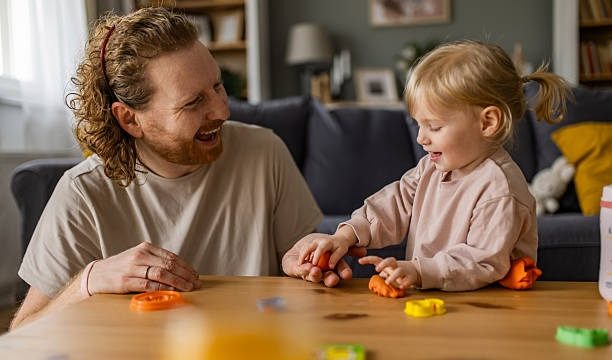
Art can serve as another beautiful medium for teaching numbers. Engage children in creative projects that involve counting and measuring. For example, while making a collage, they can count the number of different colored pieces they use. This artistic expression not only fosters creativity but also subtly reinforces numerical concepts. It’s a gentle reminder that numbers are not just abstract symbols; they are part of the world around us.
As children become more comfortable with numbers, introducing simple board games can be an excellent way to build on their skills. Games that involve rolling dice, moving pieces based on numbers, or even counting spaces can enhance their understanding of numeracy in a social context. Playing together fosters collaboration and communication, allowing children to learn from each other. These interactions are invaluable, as they develop a sense of community and shared learning.
Exploring technology can also be a useful tool in this journey. There are countless educational apps and online games designed specifically for teaching numbers. These resources can be particularly engaging for children who are drawn to screens. The key is to ensure that the content is age-appropriate and encourages active participation. Technology can serve as a supplement to hands-on play, enriching the overall learning experience.
As we endeavor to teach numbers through games, it’s essential to create an atmosphere of encouragement and positivity. Children thrive in environments where they feel supported and valued. Celebrate their successes, no matter how small, and remind them that making mistakes is a natural part of the learning process. This nurturing approach fosters resilience and a lifelong love for learning.
Ultimately, teaching numbers with games and play is about connecting with children in a meaningful way. It’s about tapping into their natural curiosity and desire to explore. By choosing activities that resonate with their interests and allowing for flexibility, we can create a vibrant learning experience that feels both enjoyable and enriching. The journey of learning numbers becomes a shared adventure, filled with laughter, creativity, and growth.
As parents and educators, we have the opportunity to make learning a joyful experience. By embracing games and play as vital components of teaching numbers, we can help children develop a strong foundation in numeracy while fostering a love for learning that lasts a lifetime. In the end, it’s about making memories and building skills that will serve them well as they navigate the world around them. So let’s play, count, and explore together, transforming the learning of numbers into a delightful journey.