Recognizing Early Signs of Learning Challenges
In our fast-paced world, learning is often viewed as a straightforward path.
Children are expected to absorb information, develop skills, and adapt to their environments with relative ease.
However, for some, this journey is marked by bumps and detours that can be difficult to navigate.
Recognizing the early signs of learning challenges is essential not only for children’s academic success but also for their emotional well-being. Let’s explore this topic with compassion and understanding.
As parents, teachers, or caregivers, our instincts usually guide us when something seems amiss. We often notice subtle shifts in a child’s behavior or performance that prompt us to wonder if they are facing a learning challenge. These early signs can be as nuanced as a shift in mood or as clear as struggles with basic tasks. Understanding these signs can lead to timely support, creating a nurturing environment where children can thrive.
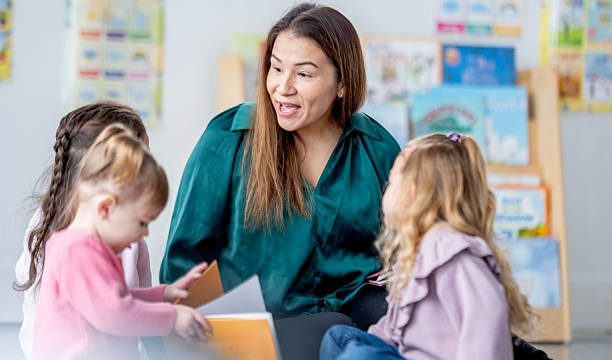
One common area where children may struggle is language development. From the very first words to more complex sentences, language is a vital part of how children communicate and express their needs. If a child consistently has difficulty pronouncing words correctly or struggles to find the right words during conversations, it could be a sign of a learning challenge related to language. Observing a child’s ability to follow simple instructions or engage in storytelling can also provide insight into their language skills.
Another aspect to consider is a child’s ability to focus and maintain attention during activities. We all know that children can be full of energy and curiosity, but if a child frequently seems distracted or has difficulty staying on task even in familiar settings, this may be a signal worth noting. It’s important to remember that every child is unique, and variations in attention span are normal. However, persistent challenges in focusing, especially in structured settings like school, can indicate a need for further exploration.
Mathematics is another area where some children may face hurdles. Early signs might include difficulty recognizing numbers, understanding basic concepts like addition and subtraction, or struggling to follow patterns. These challenges can manifest in various ways, such as avoiding math-related activities or expressing frustration when faced with numerical tasks. Recognizing these signs early can pave the way for supportive strategies that make learning math a more enjoyable experience.
Emotional and social development is equally important. Children often learn through play and social interactions. If a child appears withdrawn, has difficulty making friends, or struggles to understand social cues, these can be early signs of potential learning challenges. Social skills are foundational for building relationships and developing emotional intelligence. Observing how a child interacts with peers and responds to social situations can provide valuable insights into their overall development.
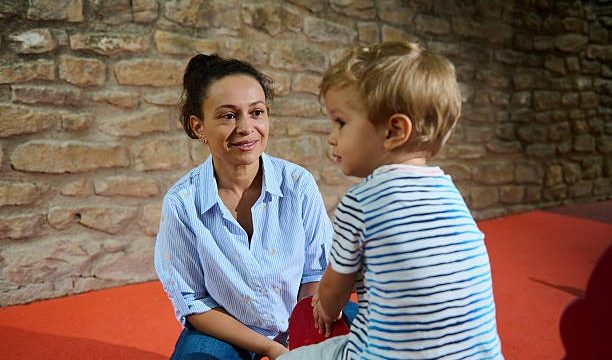
Creating a warm and open environment for communication can make a significant difference. If you sense that a child might be facing challenges, gently encouraging them to share their thoughts and feelings can help. Sometimes, children may not even realize that they are struggling; they may simply feel different or frustrated. By fostering a space where they feel safe to express themselves, you can help them articulate their experiences and needs.
A small shift toward balance can be achieved by incorporating fun and engaging activities that support learning in a relaxed manner. For instance, playing educational games, reading together, or engaging in creative projects can enhance learning while building confidence. These activities can also provide opportunities for parents and caregivers to observe how a child approaches tasks and interacts with new concepts.
It is important to acknowledge that learning challenges do not define a child’s potential. Many individuals who face difficulties in their early years go on to achieve remarkable things. The key is to recognize the signs and provide the right support. This might involve seeking guidance from educators or specialists who can offer tailored strategies and resources. A collaborative approach that includes parents, teachers, and professionals can create a holistic support system for the child.
As we navigate these waters, it’s crucial to remain patient and compassionate. Every child learns at their own pace, and what works for one may not work for another. Keeping an open mind and being willing to adapt our approach can foster resilience in both children and caregivers.
In conclusion, recognizing the early signs of learning challenges is an act of love and commitment to a child’s well-being. By paying attention to language skills, focus, mathematical understanding, and social interactions, we can provide support that nurtures their growth. Encouraging open communication and creating a balanced learning environment can empower children to overcome obstacles and embrace their unique learning journeys. Remember, it’s not just about identifying challenges; it’s about celebrating progress and fostering a love for learning that lasts a lifetime.