In a world that can often feel rushed and chaotic, the values of respect and kindness serve as gentle anchors.
Teaching these essential qualities to children from a young age not only shapes their character but also cultivates a more compassionate society.
As parents, caregivers, or educators, we have the unique opportunity to instill these values early on, nurturing a generation that prioritizes empathy and understanding.
A gentle foundation of respect and kindness begins at home. From the moment children are born, they are observing and absorbing the behaviors, attitudes, and interactions of those around them. The simple act of modeling respectful behavior can have a profound impact. Whether it’s saying “please” and “thank you” or showing appreciation for the efforts of others, everyday actions speak volumes. Children are keen observers, and they often mirror the attitudes they see in adults. By fostering an environment where respect is paramount, we create a safe space for them to learn and grow.
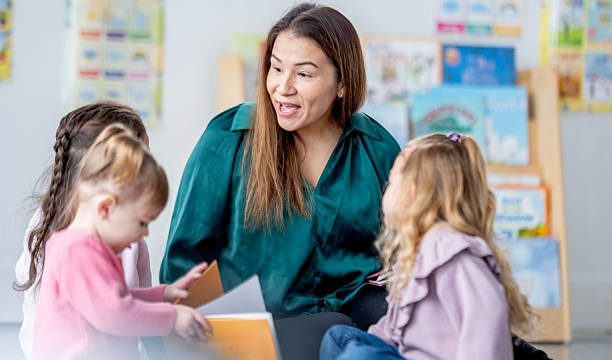
Conversations about kindness can also be woven into the fabric of daily life. Sharing stories that highlight the importance of being kind to others can ignite a spark of understanding in young minds. Books and literature are wonderful tools in this regard. They can transport children into the lives of characters who embody these virtues, allowing them to explore different perspectives and emotions. Discussing the characters’ choices and feelings can encourage children to reflect on their own actions and the impact they have on others.
Encouraging empathy is a vital aspect of teaching respect and kindness. Helping children understand and recognize the feelings of others fosters a sense of connection and compassion. Simple activities, such as discussing how a friend might feel when they are sad or celebrating the joy of a classmate’s success, can enhance emotional intelligence. This awareness not only enriches their relationships but also prepares them to navigate the complexities of social interactions as they grow.
Creating opportunities for children to practice kindness in real-life situations can also be incredibly beneficial. Whether it’s helping a neighbor with groceries, volunteering at a local charity, or simply sharing toys with friends, these small acts can leave a lasting impression. Engaging in community service as a family can deepen their understanding of kindness while also promoting a sense of belonging and responsibility. The experiences gained from such activities often become cherished memories that shape their values for years to come.
Positive reinforcement plays a significant role in this learning process. When children exhibit kind behavior, acknowledging and praising their actions reinforces the importance of those values. Simple phrases like “That was very kind of you” or “I really appreciate how you helped your friend” can encourage them to continue acting with compassion. It is through this gentle encouragement that children learn that kindness is not just a fleeting act but a way of being.
As children grow, their social circles expand, and they may encounter diverse perspectives and backgrounds. Teaching respect for differences is crucial in these formative years. Discussions about diversity, inclusion, and acceptance can help children appreciate the richness of human experiences. Encouraging friendships with peers from various backgrounds fosters an understanding that respect and kindness transcend cultural boundaries. These lessons can empower children to challenge prejudices and embrace the beauty of diversity.
Navigating conflicts is another essential aspect of teaching respect and kindness. Children will inevitably face disagreements with peers, and how they handle these situations can set the tone for their future interactions. Encouraging open dialogue about feelings and perspectives can guide children toward conflict resolution. Teaching them to listen actively, express their feelings respectfully, and seek compromise helps them develop essential skills for maintaining healthy relationships.
It’s also important to recognize that teaching respect and kindness is an ongoing journey. As children mature, their understanding of these concepts will deepen, and new challenges will arise. Remaining patient and open to discussions about respect and kindness as they grow can help them navigate the complexities of adulthood. Creating a safe space for conversations about their experiences, feelings, and dilemmas fosters trust and encourages them to seek guidance when needed.
Incorporating kindness into daily routines can help solidify these values in children’s lives. Simple practices, such as starting or ending the day with a moment of gratitude, can encourage reflection on the positive aspects of their lives and the kindness they’ve experienced. Family rituals, such as sharing compliments or expressing appreciation for one another, can create a culture of kindness within the home. These moments not only strengthen familial bonds but also nurture a lifelong commitment to kindness.
As we work to instill respect and kindness in children, it’s essential to remember that we, too, must embody these values. Children learn from our actions as much as from our words. By being respectful and kind in our interactions with others, we set a powerful example. When children see adults navigating the world with grace and empathy, they are more likely to mirror that behavior in their own lives.
Ultimately, the goal is to create a ripple effect. When we teach children the importance of respect and kindness, we empower them to create positive change in their communities. These values can transcend generations, fostering a world where empathy and understanding are at the forefront. The journey of teaching respect and kindness may be gradual, but the impact is profound. It is a gift that enriches not only their lives but the lives of everyone they encounter.
As we navigate the challenges of modern life, let us remain committed to nurturing these essential qualities in our children. The seeds we plant today will blossom into a more compassionate tomorrow, reminding us that kindness and respect are not just ideals to aspire to but fundamental aspects of our shared humanity.