In recent years, the landscape of education has transformed dramatically, with digital resources becoming an integral part of learning.
Among these resources, digital textbooks stand out not only for their convenience but also for their ability to foster collaboration and sharing among students.
As we delve into the world of digital textbooks that are easy to share, we’ll explore how they enhance the learning experience and promote a sense of community.
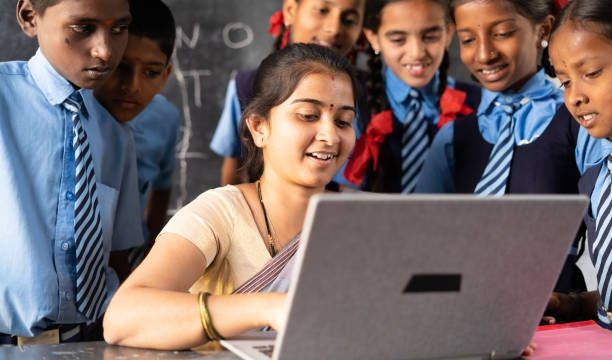
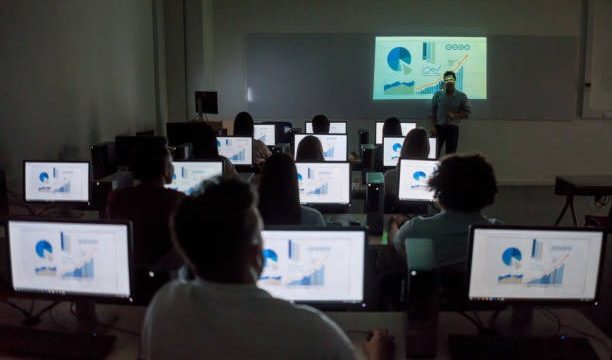
The shift towards digital textbooks reflects a broader trend in education, where technology meets traditional learning. These resources are designed to be accessible and user-friendly, catering to the needs of both students and educators. Unlike their printed counterparts, digital textbooks can be easily distributed, updated, and customized, making them a practical choice for modern classrooms.
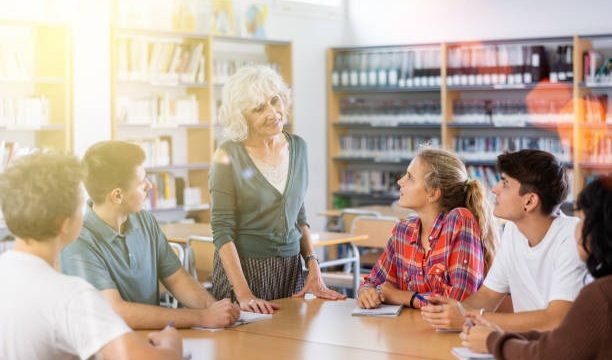
One of the most appealing aspects of digital textbooks is their inherent shareability. Many platforms offer cloud-based access, allowing students to share their materials effortlessly with peers. This feature is particularly beneficial for group projects or study sessions, where collaboration is key. Imagine a group of friends preparing for an exam, each contributing their insights and notes from the same digital textbook. This shared experience not only enhances understanding but also fosters camaraderie among students, making learning a more enjoyable journey.
As we embrace this new way of learning, it’s essential to consider the flexibility that digital textbooks provide. Students can access their materials on various devices, whether it’s a laptop, tablet, or smartphone. This flexibility allows for study sessions to take place anywhere, from cozy corners of the library to bustling coffee shops. The ability to share content across devices also means that students can help each other out in real time, sending sections of a textbook or specific notes with just a few clicks.
Another important aspect to consider is the environmental impact of digital textbooks. By opting for digital resources, students are contributing to a more sustainable future. The reduction in paper usage and printing not only helps preserve forests but also minimizes waste. For those who are environmentally conscious, choosing digital textbooks is a small but meaningful step toward a greener planet. It’s a gentle reminder that education can evolve without compromising our commitment to the world around us.
When it comes to affordability, digital textbooks often shine. Many platforms offer rental options or subscription services, allowing students to access a wealth of knowledge without the burden of hefty prices. This cost-effectiveness makes education more accessible to everyone and opens doors for those who may have previously felt deterred by high textbook prices. Sharing these resources among friends or classmates further amplifies their affordability, creating a supportive network where everyone can thrive.
As we navigate this digital landscape, it’s essential to highlight the importance of user experience. Well-designed digital textbooks are not only visually appealing but also intuitive to navigate. Features like search functions, interactive quizzes, and multimedia content enrich the learning experience. Students can easily find relevant information, engage with the material, and share their insights with others. This seamless integration of technology and education encourages a more dynamic approach to learning.
In addition to the practical benefits, digital textbooks also offer a unique opportunity for personalization. Many platforms allow students to highlight text, add notes, and create bookmarks, tailoring their learning experience to their individual needs. When students share their customized versions with peers, it fosters a deeper understanding of the material. Each student’s perspective can illuminate different aspects of the content, creating a more comprehensive and enriched learning environment.
As we reflect on the role of digital textbooks in modern education, it’s clear that they are more than just a replacement for traditional books. They represent a shift towards a more collaborative, sustainable, and accessible learning experience. By embracing these digital resources, we are not only enhancing our own educational journeys but also supporting our peers in their quests for knowledge.
A gentle reminder of the power of community, digital textbooks allow students to connect in ways that were once unimaginable. They create opportunities for discussions, debates, and shared learning experiences that transcend the boundaries of the classroom. In a world that often feels disconnected, the ability to share knowledge fosters a sense of belonging and encourages students to support one another.
As we continue to explore the endless possibilities that technology offers in education, it’s important to remain mindful of our choices. Opting for digital textbooks is not just a practical decision; it’s a step towards a more inclusive and connected educational experience.
In conclusion, digital textbooks that are easy to share are more than just tools for learning; they are catalysts for collaboration, sustainability, and community. As we navigate this evolving landscape, let’s embrace the opportunities that these resources provide. Together, we can create a brighter future for education—one that is accessible, engaging, and rooted in the spirit of sharing. By choosing to share knowledge, we cultivate an environment where everyone can flourish, inspiring a lifelong love of learning.