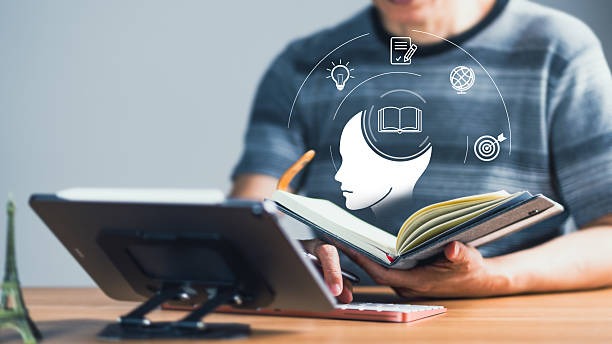
In today’s fast-paced world, where information is at our fingertips and distractions abound, the quest for effective learning methods that genuinely engage and motivate us is more crucial than ever.
Interactive learning, a dynamic approach that emphasizes active participation and collaboration, is emerging as a powerful tool in education and personal development.
This method not only cultivates knowledge but also nurtures a deeper sense of motivation and connection to the material being learned.
One of the most appealing aspects of interactive learning is its inherent ability to transform traditional educational experiences. Instead of passively absorbing information, learners are encouraged to engage with the content and with one another. This shift from a passive to an active learning environment fosters a sense of ownership over one’s education. When individuals feel they have a stake in their learning journey, their motivation naturally increases.
A small shift toward balance can make a significant difference. Imagine a classroom or a workshop where discussions flow freely, where questions are welcomed, and where the instructor acts more as a guide than a lecturer. In such an environment, learners are not just recipients of knowledge; they are co-creators of their own understanding. This collaborative spirit fosters a sense of community, where participants feel supported and inspired to share their thoughts and ideas.
Interactive learning also leverages various tools and technologies that resonate with today’s learners. From online platforms that facilitate group discussions to interactive simulations and gamified learning experiences, the possibilities are endless. These tools make learning not only more enjoyable but also more effective. When learners can visualize concepts or practice skills in a safe environment, they are likely to retain information better and apply it with confidence.
Moreover, the emotional aspect of learning shouldn’t be overlooked. Interactive methods often tap into our emotions, making the learning experience more relatable and memorable. When learners can connect with the material on a personal level, their interest and motivation naturally increase. For instance, storytelling is a powerful tool within interactive learning. By weaving narratives into lessons, educators can evoke empathy and curiosity, drawing learners into the subject matter in a way that simple facts and figures never could.
The role of feedback in interactive learning is also pivotal. When learners receive constructive feedback from peers and instructors, it creates an ongoing dialogue that encourages growth. This feedback loop helps individuals understand their strengths and areas for improvement, fostering a growth mindset. As learners see their progress, they become more motivated to continue engaging with the material, reinforcing the idea that learning is a continuous journey rather than a destination.
Incorporating interactive elements into learning experiences doesn’t have to be limited to formal education settings. Many people are discovering the benefits of this approach in their personal and professional lives. Workshops, book clubs, and community classes are all opportunities to engage with others in meaningful ways. These settings not only provide a platform for learning but also create spaces for networking and building relationships, which can further enhance motivation and commitment to learning.
As we navigate the complexities of modern life, the importance of lifelong learning becomes increasingly clear. Interactive learning provides a pathway to not only acquire new skills but also to explore our passions and interests. Whether it’s picking up a new hobby, enhancing career skills, or delving into a subject that fascinates us, interactive methods can make the journey enjoyable and fulfilling.
One of the beautiful aspects of this approach is its adaptability. Interactive learning can be tailored to suit various age groups, learning styles, and contexts. For children, engaging games and hands-on activities can ignite a love for learning that lasts a lifetime. For adults, discussion-based workshops and collaborative projects can reignite the spark of curiosity and creativity that often dims in the hustle and bustle of everyday life.
As we embrace this interactive approach, it’s essential to recognize the importance of creating an inclusive environment. Everyone learns differently, and a truly interactive learning experience acknowledges and values these differences. By fostering a space where diverse perspectives are welcomed, we enrich the learning experience for everyone involved.
In conclusion, interactive learning stands out as a beacon of motivation in an age where traditional methods often fall short. By encouraging active participation, emotional connection, and continuous feedback, this approach transforms the way we engage with knowledge. Whether in a classroom, a workshop, or a casual gathering, embracing interactive learning can lead to a more fulfilling and motivating experience.
As we continue to explore new ways of learning and growing, let’s remember the power of connection, collaboration, and creativity. These elements not only enhance our understanding but also keep the flame of motivation alive, guiding us on our lifelong journey of discovery. Interactive learning is not just a method; it’s a way of life that invites us all to embrace the joy of learning, together.