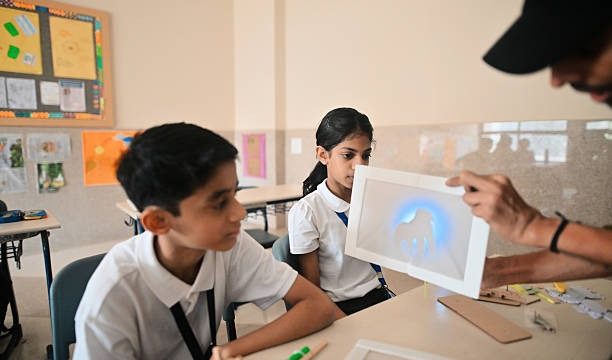
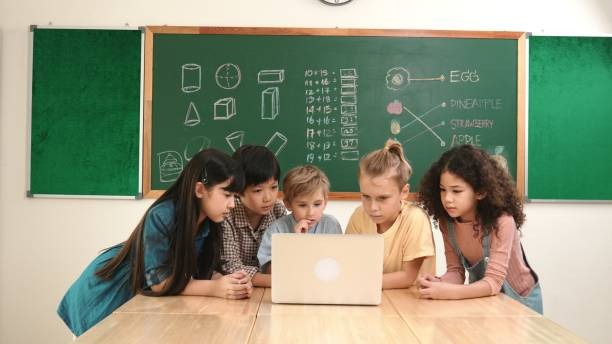
In the ever-evolving landscape of education, project-based learning (PBL) stands out as a refreshing approach that not only engages students but also nurtures their personal and academic growth.
Imagine a classroom where students are not just passive recipients of information but active participants in their learning journey.
This transformative method encourages exploration, collaboration, and creativity, inspiring learners to connect with the world around them in meaningful ways.
A journey of discovery
Project-based learning invites students to dive deep into real-world problems and challenges. Rather than memorizing facts for a test, learners embark on projects that resonate with their interests and aspirations. This hands-on approach encourages curiosity and fosters a sense of ownership over their education. As they work through complex questions and develop solutions, students are not just absorbing knowledge; they are engaging in a journey of discovery that cultivates critical thinking and problem-solving skills.
Consider a classroom where students are tasked with developing a sustainable garden. They research plants that thrive in their local climate, learn about environmental impacts, and collaborate on design plans. Through this project, they are not only learning about biology and ecology but also gaining valuable insights into teamwork, communication, and project management. This immersive experience ignites a passion for learning that extends far beyond the classroom walls.
Building connections
One of the most beautiful aspects of project-based learning is its ability to foster connections—not only among students but also between students and their community. As learners engage with local experts, businesses, and organizations, they gain a broader perspective on the world. This interaction enriches their understanding and helps them see the relevance of their studies in real-life contexts.
Imagine students interviewing local farmers to learn about sustainable practices or collaborating with community leaders to address social issues. These experiences deepen their knowledge and inspire empathy, as they witness the challenges and triumphs faced by others. By bridging the gap between classroom learning and community involvement, PBL nurtures a sense of responsibility and encourages students to become active participants in their surroundings.
Nurturing creativity
In a traditional educational setting, creativity can sometimes take a backseat to rote memorization and standardized testing. However, project-based learning embraces creativity as a core element of the learning process. Students are encouraged to think outside the box, experiment with new ideas, and explore innovative solutions. This freedom to create fosters self-expression and builds confidence in their abilities.
When students are given the opportunity to design their projects, they tap into their unique talents and perspectives. Whether it’s creating a documentary, designing a prototype, or crafting a presentation, the creative process becomes a powerful vehicle for learning. As they navigate challenges and setbacks, they develop resilience and adaptability—skills that are invaluable in today’s fast-paced world.
A supportive environment
The success of project-based learning hinges on a supportive and collaborative environment. Teachers play a crucial role in guiding students through their projects, providing mentorship and encouragement. By fostering a culture of trust and respect, educators empower students to take risks and embrace failure as a natural part of the learning process.
In this nurturing atmosphere, students learn to support one another, celebrating each other’s successes and offering assistance during challenges. This camaraderie not only enhances their social skills but also builds a strong sense of community within the classroom. As students collaborate and share their ideas, they develop a deeper appreciation for diverse perspectives, enhancing their ability to work effectively with others in the future.
Embracing lifelong learning
One of the most significant gifts that project-based learning offers is the cultivation of a lifelong love for learning. When students engage in projects that ignite their passions, they are more likely to develop intrinsic motivation to explore new ideas and pursue knowledge beyond the classroom. This mindset of curiosity and exploration becomes a cornerstone of their personal and professional lives.
As learners encounter new challenges and opportunities, they carry with them the skills and confidence gained through their project experiences. They learn to view obstacles as stepping stones rather than barriers, fostering a growth mindset that encourages them to embrace change and seek continuous improvement. This adaptability is essential in a world that is constantly evolving, equipping students with the tools they need to navigate their future endeavors.
A holistic approach to education
Project-based learning aligns beautifully with a holistic approach to education that recognizes the interconnectedness of knowledge, skills, and personal growth. By engaging in meaningful projects, students not only acquire academic competencies but also develop social, emotional, and ethical awareness. This well-rounded education prepares them to become compassionate, informed citizens who are equipped to tackle the challenges of the future.
In a world where collaboration, creativity, and critical thinking are paramount, project-based learning serves as a beacon of hope. It inspires growth not only in academic achievement but also in character development, resilience, and social responsibility. As students embark on their learning journeys, they emerge as well-rounded individuals ready to make a positive impact in their communities and beyond.
In conclusion, project-based learning is more than just a teaching method; it’s a philosophy that inspires growth in every sense. By nurturing curiosity, fostering connections, and encouraging creativity, PBL empowers students to become active learners and engaged citizens. As we embrace this transformative approach to education, we pave the way for a future where learners are not just prepared for exams, but for life itself.