In today’s fast-paced educational environment, fostering a sense of trust in the classroom can make a world of difference.
When students feel safe and valued, they are more likely to engage in meaningful conversations that enhance their learning experience.
Encouraging dialogue among students not only enriches their understanding of the subject matter but also nurtures their social and emotional skills.
Here, we explore simple yet effective ways to cultivate an atmosphere of trust and open communication in the classroom.
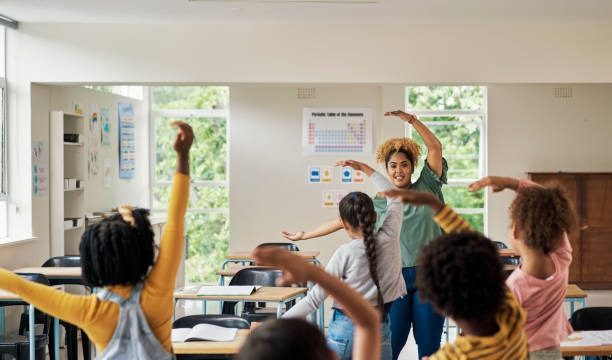
Creating a welcoming space is the first step toward building trust. The physical environment can significantly affect how students interact with one another. A classroom that feels inviting, with comfortable seating arrangements and areas designated for group work, encourages collaboration. Consider arranging desks in circles or small clusters to promote face-to-face interactions. When students can see each other, they are more likely to engage in discussions and share their thoughts.
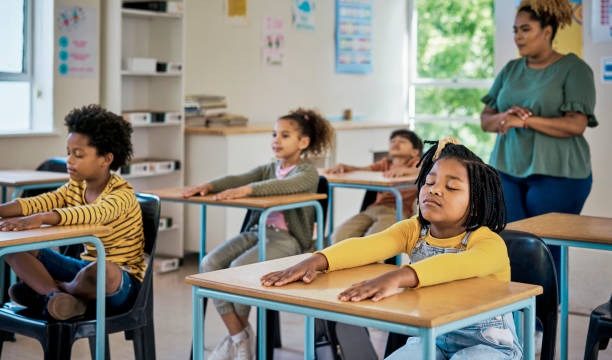
Another essential aspect of creating a trusting environment is establishing clear expectations. When students know what is expected of them regarding behavior and participation, they can focus on the learning experience rather than worrying about crossing boundaries. Taking the time to discuss classroom norms, such as respectful listening and valuing diverse opinions, lays a strong foundation for open dialogue. When everyone understands the importance of these rules, students feel more secure in expressing themselves.
An effective way to encourage students to open up is by modeling vulnerability. Teachers can share their own thoughts, experiences, and even mistakes, demonstrating that it’s okay to be imperfect. By showing that everyone has something to learn, educators create a culture where students feel comfortable sharing their own stories and uncertainties. This practice not only humanizes the teacher-student dynamic but also fosters empathy among peers.
Active listening is vital in nurturing trust and encouraging conversations. When students feel heard, they are more likely to participate fully in discussions. Teachers can model active listening by maintaining eye contact, nodding in acknowledgment, and repeating back what students have said to clarify understanding. This technique not only validates students’ contributions but also encourages them to listen to one another. When students practice active listening, they learn the value of considering different perspectives, which is essential for building trust.
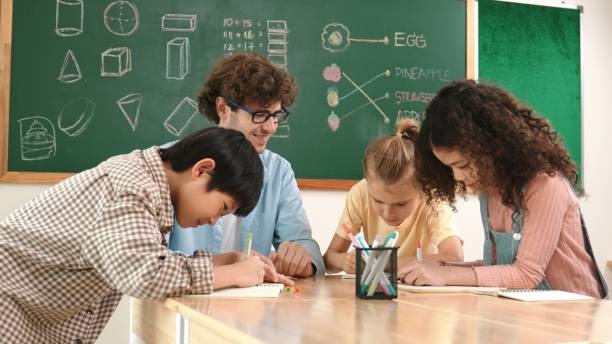
Incorporating small group discussions can also be a game-changer. Often, students may feel intimidated speaking in front of the whole class, but in smaller groups, they may find it easier to share their thoughts. These intimate settings allow for deeper conversations and give students the chance to connect on a personal level. Encouraging them to discuss their ideas with a few peers first before sharing with the larger group can make the transition to larger discussions smoother and less daunting.
Engaging students in reflective practices can further enhance their ability to communicate. Journaling, for instance, provides a safe space for students to articulate their thoughts and feelings without the pressure of immediate feedback. Reflection not only fosters self-awareness but also encourages students to consider their viewpoints and how they might express them to others. Sharing reflections in pairs or small groups can create a bridge to larger conversations, where students can explore their insights and learn from one another’s experiences.
A gentle approach to feedback can also strengthen classroom conversations. When providing feedback, it’s important to focus on the positives while offering constructive suggestions for improvement. This balanced approach helps students feel valued and encourages them to take risks in their communication. When students know that their contributions are appreciated, they are more likely to engage in discussions and share their ideas openly.
Encouraging curiosity is another vital element in building trust. When students feel encouraged to ask questions and explore topics deeply, they become more invested in their learning. Creating an environment where curiosity is celebrated can lead to richer conversations. Teachers can model curiosity by asking open-ended questions and expressing genuine interest in students’ thoughts. This approach invites students to share their ideas freely, fostering a sense of belonging and trust.
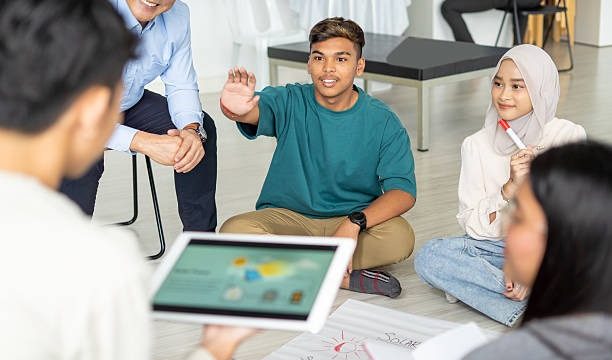
Incorporating diverse perspectives into classroom discussions is also essential. Celebrating the unique backgrounds and experiences of each student enriches the conversation and allows for a broader understanding of topics. By encouraging students to share their cultural insights or personal experiences, educators create a tapestry of voices that can lead to deeper discussions. This practice not only builds trust but also cultivates a more inclusive classroom environment.
As students develop trust in their classroom community, it’s important to recognize and celebrate their progress. Acknowledging moments of vulnerability, collaboration, and growth reinforces the value of open communication. Celebrating small victories, whether it’s a successful group project or a thoughtful contribution in class, helps students see the importance of their voice in the learning process. This recognition fosters a sense of belonging, further enhancing their willingness to engage in conversations.
Ultimately, encouraging classroom conversations that build trust is about creating a nurturing environment where every student feels valued and heard. By fostering a sense of community through thoughtful practices, educators can cultivate a space where dialogue flourishes. As students learn to communicate openly and respectfully, they not only enhance their academic skills but also develop essential life skills that will serve them well beyond the classroom. In this way, we can inspire a generation of learners who are not only knowledgeable but also compassionate communicators, ready to engage with the world around them.