In today’s educational landscape, fostering a classroom culture that encourages collaboration is more essential than ever.
Collaboration not only enhances learning experiences but also prepares students for the interconnected world they will navigate as adults.
When classrooms transform into vibrant communities of learning, the benefits extend far beyond academic achievements, nurturing social skills and emotional intelligence along the way.
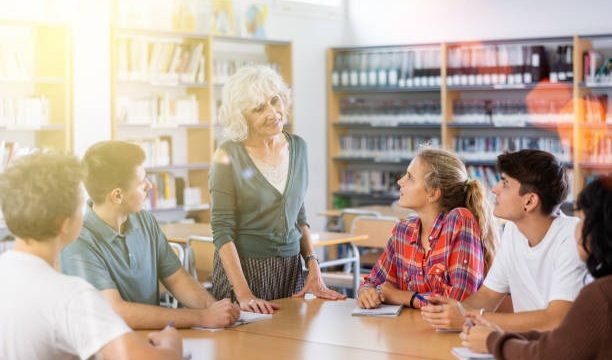
Creating a collaborative atmosphere begins with understanding the role of the teacher as a facilitator rather than a traditional authority figure. By adopting a more approachable demeanor, educators can invite students into the learning process, encouraging them to share their ideas and perspectives openly. This shift in dynamics helps students feel valued and respected, which in turn fosters their willingness to engage with their peers.
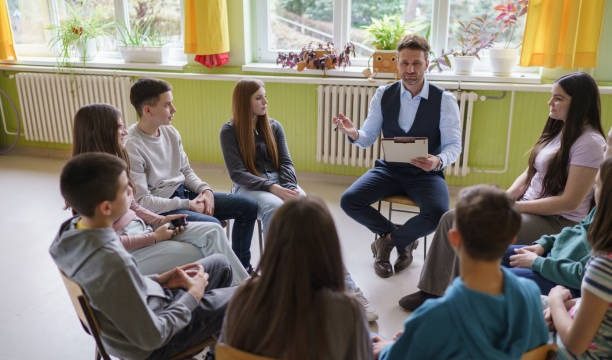
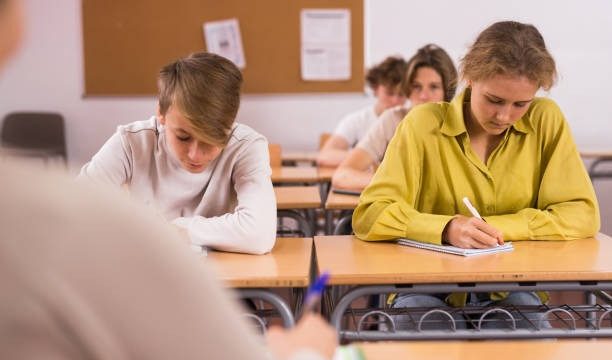
A significant aspect of nurturing collaboration is the physical layout of the classroom. Flexible seating arrangements can make a remarkable difference in how students interact with one another. Rather than rows of desks facing the front, consider a setup that promotes discussion and teamwork. Group tables, cozy corners, or even movable furniture can create an environment that feels welcoming and adaptable. When students can easily move around and change their surroundings, they are more likely to engage in collaborative activities.
It’s also vital to cultivate a sense of belonging among students. When individuals feel connected to their classmates, they are more open to collaboration. Simple practices, such as sharing personal stories or participating in ice-breaking activities, can help establish these connections. When students understand each other’s backgrounds and experiences, they create a foundation of trust that is essential for effective teamwork.
Moreover, integrating group projects into the curriculum can serve as a natural catalyst for collaboration. These projects encourage students to rely on one another’s strengths while learning to navigate differences in opinion. Assigning roles within groups can help clarify responsibilities and promote accountability. When students learn to appreciate and leverage each other’s skills, they not only enhance their own learning but also develop a sense of camaraderie that extends beyond the classroom.
A gentle shift toward balance in group dynamics is also crucial. It’s important to recognize that not all students are equally confident in collaborative settings. Some may thrive in group interactions, while others may feel overwhelmed or hesitant. Providing various options for participation can empower all students. For instance, offering opportunities for both verbal and written contributions allows quieter students to express themselves in ways that feel comfortable. By accommodating different personalities and learning styles, teachers can promote an inclusive environment where everyone feels encouraged to participate.
In addition to group projects, incorporating collaborative learning strategies into daily lessons can further enhance this culture. Techniques such as think-pair-share or small group discussions can facilitate peer-to-peer learning. These strategies not only deepen understanding but also encourage students to articulate their thoughts and listen to others, fostering a rich exchange of ideas. As students learn to value diverse perspectives, they develop critical thinking skills that are essential for future success.
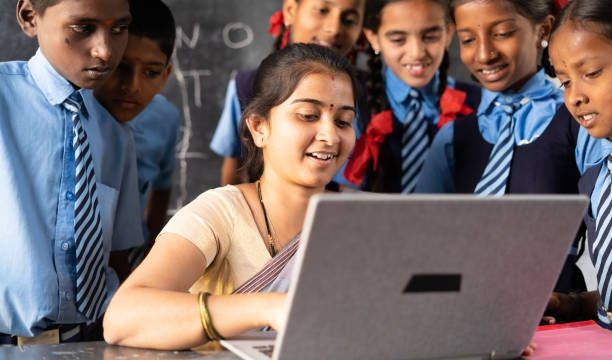
Another important element in promoting collaboration is the integration of technology. Digital tools can facilitate communication and teamwork, extending collaboration beyond the classroom walls. Platforms that enable students to work together on projects, share ideas, and provide feedback can enhance their learning experience. Moreover, technology can bridge gaps for students who may struggle with traditional collaboration methods, allowing them to contribute in ways that resonate with their skills and interests.
Creating a classroom culture that encourages collaboration also involves celebrating successes, both big and small. Recognizing group achievements fosters a sense of accomplishment and reinforces the value of teamwork. Whether it’s sharing a presentation, showcasing a project, or simply acknowledging the effort put into a collaborative task, these celebrations can create positive reinforcement that motivates students to engage in future collaborative endeavors.
Additionally, it’s essential to model collaborative behavior as an educator. When teachers demonstrate effective teamwork, respect for diverse opinions, and open communication, students are more likely to emulate these behaviors. By sharing personal experiences of collaboration, teachers can illustrate its importance and inspire students to embrace this approach in their own learning journeys.
As we explore the nuances of collaboration in the classroom, it’s important to remember that this culture doesn’t develop overnight. It requires patience, commitment, and a willingness to adapt. By continuously seeking feedback from students and remaining open to new ideas, educators can refine their approaches and create an environment that truly supports collaborative learning.
Ultimately, a classroom culture that encourages collaboration not only enriches the academic experience but also prepares students for a future where teamwork is essential. As they learn to work together, students develop empathy, communication skills, and the ability to navigate complex relationships—all critical components of success in any field.
As we embrace this collaborative ethos, we pave the way for a generation of learners who are not only knowledgeable but also skilled in the art of cooperation, ready to face the challenges of an ever-changing world. In this nurturing atmosphere, the seeds of lifelong friendships and partnerships are sown, creating a sense of community that extends far beyond the classroom walls.