In today’s fast-paced world, learning has evolved in ways that were once unimaginable.
With the advent of digital materials, the landscape of education has transformed, making it more accessible and efficient than ever before.
Whether you’re a student navigating high school or a professional seeking to upskill, digital resources have become a cornerstone of modern learning.
They not only enhance the experience but also create a more engaging environment that fosters understanding and retention.
A gentle transition into the digital realm
The shift towards digital learning materials can feel daunting at first, especially for those accustomed to traditional textbooks and in-person lectures. However, this transition is less about abandoning the old and more about integrating the new. Digital resources complement traditional methods, offering a rich tapestry of information that can be tailored to individual learning styles. This flexibility is one of the key benefits of digital materials, allowing learners to explore subjects at their own pace and according to their interests.
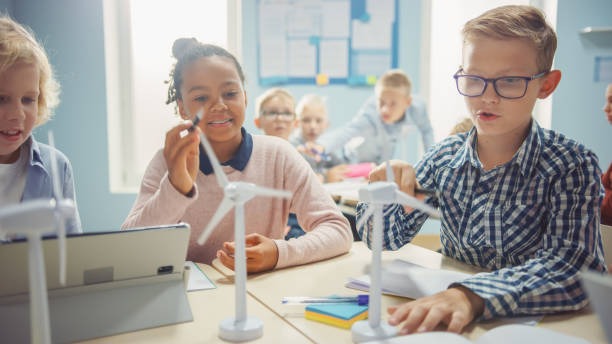
Imagine sitting in a cozy nook with your tablet, scrolling through interactive textbooks filled with videos, quizzes, and real-time feedback. This experience is worlds apart from the static pages of a traditional book. The dynamic nature of digital content invites curiosity and encourages exploration, making learning feel less like a chore and more like an adventure.
Enhancing engagement through interactivity
One of the most striking advantages of digital materials is their inherent interactivity. Traditional learning methods often rely on passive absorption of information, but digital formats invite learners to engage actively with the content. Interactive exercises, simulations, and multimedia presentations can break down complex concepts into digestible pieces, making them easier to understand.
For instance, a student learning about the solar system might watch a captivating video that visualizes the planets’ movements in real-time, followed by a quiz that reinforces what they’ve just learned. This hands-on approach not only solidifies knowledge but also makes the process enjoyable. When learners interact with the material, they are more likely to retain information and apply it in practical situations.
Fostering a sense of community
Digital materials also have the power to connect learners from diverse backgrounds, creating a sense of community that transcends geographical boundaries. Online platforms and forums allow individuals to share ideas, ask questions, and collaborate on projects, fostering a collaborative learning environment. This sense of belonging can be particularly empowering for those who may feel isolated in their educational journey.
Imagine participating in a discussion group where you can exchange insights with peers from around the globe. Such interactions can enrich the learning experience, exposing individuals to different perspectives and approaches. This collaborative spirit is a hallmark of modern education, and digital materials are key facilitators in making these connections possible.
Personalizing the learning journey
Every learner is unique, with distinct preferences and pace of learning. Digital materials offer an unprecedented level of personalization, allowing individuals to tailor their educational experiences to fit their needs. Whether it’s adjusting the difficulty of a quiz or choosing to read an article instead of watching a video, learners can take control of their education.
This personalized approach can be especially beneficial for those who may struggle in traditional classroom settings. Online resources often include adaptive learning technologies that adjust content based on a learner’s performance, ensuring that everyone receives the support they need. By meeting learners where they are, digital materials create a more inclusive educational landscape.
Bridging gaps in accessibility
Accessibility is another area where digital materials shine. With a wealth of resources available online, learners from all walks of life can access high-quality educational content, often for free or at a minimal cost. This democratization of knowledge is transforming the way we think about education, allowing individuals who may have been previously underserved to pursue their passions and interests.
For example, a single mother working two jobs can now find online courses that fit into her busy schedule, enabling her to learn new skills without the constraints of traditional classroom hours. This newfound flexibility can empower individuals to take charge of their education and career paths, ultimately leading to personal and professional growth.
Embracing lifelong learning
In our rapidly changing world, the importance of lifelong learning cannot be overstated. Digital materials encourage a mindset of continuous growth and exploration. With access to endless resources, learners can pursue new interests and expand their horizons long after formal education has concluded.
Consider the retiree who decides to learn a new language or the professional who wants to delve into coding. Digital platforms provide a wealth of opportunities to explore these interests at one’s own pace. This ability to engage in lifelong learning fosters a sense of curiosity and fulfillment, enriching lives in ways that extend far beyond the classroom.
Creating a balanced approach to learning
While digital materials offer numerous advantages, it’s essential to approach learning with balance in mind. Integrating digital resources with traditional methods can create a harmonious educational experience that leverages the strengths of both. This balanced approach ensures that learners benefit from the engagement and interactivity of digital materials while still appreciating the depth and structure that traditional methods provide.
Ultimately, the goal is to create a learning environment that feels natural and supportive. By embracing digital materials while honoring traditional methods, learners can cultivate a rich and fulfilling educational journey that resonates with their unique needs.
In conclusion, the integration of digital materials into the learning landscape represents a significant evolution in education. From enhancing engagement through interactivity to fostering community and personalization, these resources have the potential to make learning more efficient and enjoyable. As we navigate this new terrain, let us embrace the opportunities that digital materials provide while maintaining a balanced approach to our educational experiences. In doing so, we can unlock the full potential of our learning journeys, paving the way for a brighter, more informed future.