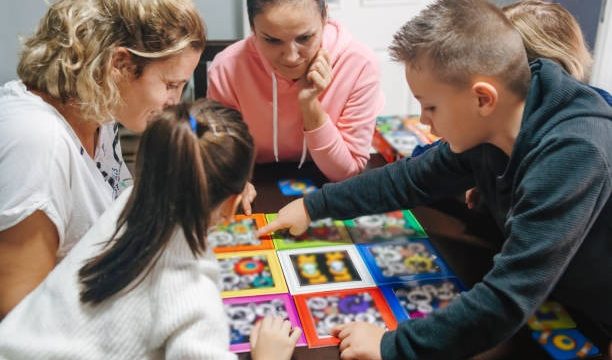
In today’s fast-paced world, organization is more than just a buzzword; it’s a crucial skill that can greatly enhance a student’s academic experience.
With the right classroom activities, educators can help students cultivate this important habit, setting them up for success both inside and outside the classroom.
Here are some engaging and effective activities that promote organization in a friendly, supportive manner.
Creating a daily planner is an excellent way to instill a sense of responsibility in students. By encouraging them to jot down their tasks, assignments, and upcoming events, you provide them with a tool that fosters self-management. This activity can be introduced through a simple art project where students design their planners, adding personal touches that reflect their personalities. As they fill in their schedules, they’ll begin to understand the importance of time management and the satisfaction that comes from checking off completed tasks.
Another delightful way to enhance organization is through the use of visual aids. A well-structured classroom with charts, diagrams, and colorful displays can serve as constant reminders to students about their goals and responsibilities. For instance, creating a “What’s Due This Week” board can help students keep track of assignments and due dates. This visual representation not only aids memory but also encourages them to take ownership of their work. When students can see their tasks laid out clearly, they are more likely to stay focused and organized.
Incorporating technology can also be a game-changer in helping students stay organized. Introducing them to digital tools, such as apps designed for note-taking or task management, can provide a modern twist on traditional organization methods. Allowing students to explore these tools in a guided setting can spark their interest and help them find what resonates with them. As they learn to navigate digital calendars and reminders, they’ll develop skills that will serve them well in their academic and future professional lives.
A small shift toward balance can also be achieved through collaborative projects. Group work encourages students to communicate and share responsibilities, which naturally leads to discussions about organization. By assigning roles within groups, each member can take charge of specific tasks. This not only helps them learn to manage their responsibilities but also fosters teamwork and accountability. As they navigate their roles, they’ll gain insights into how effective organization can enhance group dynamics and lead to successful outcomes.
Incorporating reflection time into the daily routine is another gentle yet effective way to promote organization. After each lesson or project, set aside a few minutes for students to reflect on what they learned and how they managed their time and tasks. This practice encourages self-awareness and helps them identify areas for improvement. By making reflection a regular part of the classroom experience, students can develop a habit of looking back at their organizational strategies and adjusting them as needed.
Creating a personal organization space in the classroom can also inspire students to keep their materials in order. Designate an area where students can store their supplies, such as notebooks, folders, and writing tools. Encourage them to personalize this space with labels or decorations that reflect their individual styles. By having a dedicated spot for their materials, students are less likely to misplace items and more likely to take pride in keeping their space tidy.
Another engaging classroom activity involves teaching students how to create mind maps. This technique encourages them to visually organize information and ideas, making it easier to see connections and relationships. By guiding them through the process of creating a mind map for a specific subject or project, students can develop a clearer understanding of their material while honing their organizational skills. The act of visually representing information can be both fun and enlightening, allowing them to express their creativity while also learning how to manage complex ideas.
Involving parents in the organization process can also be beneficial. Host a workshop where students and their parents can come together to learn about effective organization strategies. By sharing tips and techniques, families can reinforce these habits at home, creating a supportive environment for students. When parents are engaged, students are more likely to feel motivated and accountable for their organizational efforts.
Finally, consider incorporating mindfulness activities that promote a calm and focused mindset. Simple practices such as deep breathing or guided visualization can help students center themselves and clear their minds, making it easier for them to tackle their organizational tasks. When students feel calm and focused, they are more likely to approach their work with clarity and purpose, allowing them to stay organized and on track.
By weaving these activities into the fabric of the classroom, educators can create a nurturing environment where students learn the invaluable skill of organization. It’s about more than just keeping a tidy desk or a well-maintained planner; it’s about fostering a sense of responsibility, self-awareness, and accountability. These lessons will not only serve students well during their academic careers but will also prepare them for the challenges of adulthood.
As you consider implementing these activities, remember that the goal is to create a supportive atmosphere where students feel empowered to take charge of their organization. With patience and creativity, you can help them develop habits that will last a lifetime, enabling them to navigate their academic journeys with confidence and ease. After all, the journey of learning is not just about the destination; it’s about how we choose to get there.