Creating an inviting and engaging classroom environment is essential for enhancing student participation.
When students feel comfortable and inspired, they are more likely to share their thoughts and ideas.
The right supplies can significantly contribute to this atmosphere, encouraging students to express themselves freely and collaborate with their peers.
Let’s explore some wonderful tools and materials that can help foster a more participatory classroom.
A gentle touch of creativity
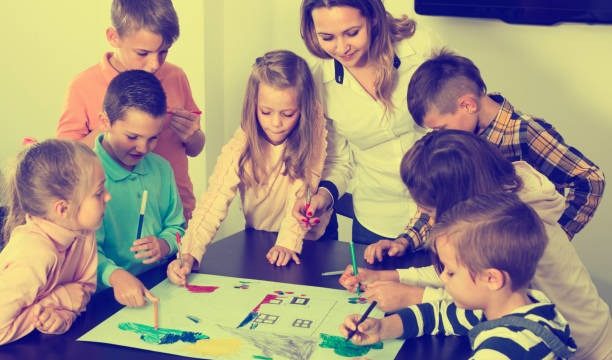
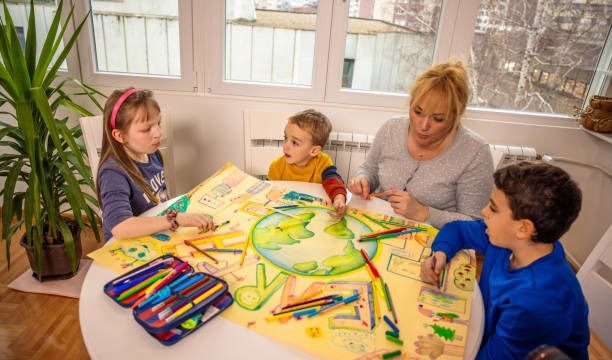
One of the most effective ways to spark participation is through creative supplies that allow students to express themselves visually. A variety of art materials—such as colored markers, paints, and sketchbooks—can transform a simple lesson into a vibrant exploration. When students have the opportunity to create posters or visual presentations, they often feel more connected to the material. This process not only makes learning more enjoyable but also encourages them to engage with their classmates by sharing their creations.
Incorporating interactive whiteboards or smart boards can also elevate classroom dynamics. These tools enable teachers to present information in dynamic ways and allow students to interact directly with the content. Whether it’s solving problems together or brainstorming ideas, the interactive element encourages a collaborative spirit, making students feel more involved in the learning process.
Creating a cozy space for discussion
Comfort plays a vital role in participation. A well-organized classroom with comfortable seating can make a world of difference. Consider incorporating soft seating options like bean bags or floor cushions, which can create a more relaxed environment. When students feel physically comfortable, they are more likely to contribute to discussions and group activities.
In addition to seating, having designated areas for small group work can promote collaboration. Setting up nooks with pillows or rugs can invite students to gather and share ideas in a more intimate setting. This shift can help reduce the pressure some students feel when speaking in front of the whole class, allowing for a more organic flow of conversation.
Encouraging collaboration through technology
In today’s digital age, technology can serve as a bridge to enhance classroom participation. Tools like collaborative platforms or educational apps allow students to work together, even if they’re not sitting side by side. For instance, using shared documents for group projects can encourage students to contribute their thoughts and ideas from anywhere. This approach not only fosters teamwork but also empowers students to take ownership of their learning.
Moreover, incorporating multimedia resources into lessons can cater to diverse learning styles. Videos, podcasts, and interactive games can capture students’ attention and encourage them to engage with the subject matter in unique ways. By appealing to various interests and preferences, teachers can create a more inclusive environment that invites all students to participate.
Fostering a culture of respect and encouragement
While supplies and technology play a crucial role, the heart of participation lies in the classroom culture. Establishing a respectful and encouraging atmosphere is essential for students to feel comfortable sharing their thoughts. Simple gestures, such as positive reinforcement and active listening, can go a long way. When students know their opinions are valued, they are more likely to engage.
Incorporating regular check-ins or reflection activities can also deepen students’ connections to the material. Providing opportunities for students to share their thoughts on what they’ve learned or how they feel about a topic can foster a sense of belonging. This practice not only enhances participation but also helps students develop their critical thinking skills.
Small shifts toward inclusivity
Inclusivity is another key aspect of promoting classroom participation. Having supplies that cater to different needs can make a significant difference. For example, providing materials in various formats—like audiobooks, visual aids, or tactile resources—can help all students access the curriculum. This approach not only supports learning but also encourages students to participate by acknowledging and valuing their unique perspectives.
Creating diverse reading materials that reflect various cultures and experiences can also inspire students to engage in discussions. When students see themselves represented in the literature or subjects being studied, they are more likely to connect with the content and feel motivated to share their insights.
Nurturing curiosity with hands-on activities
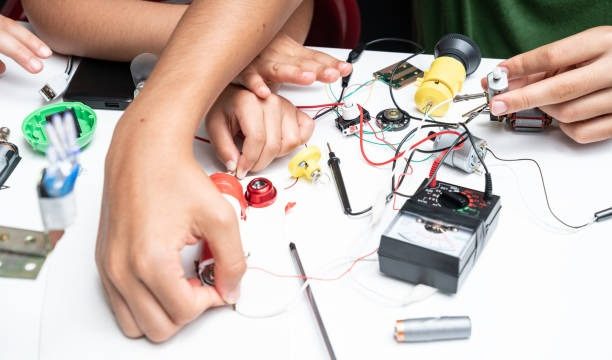
Hands-on activities can ignite curiosity and encourage participation in a truly engaging way. Supplies that facilitate experiential learning—like science kits, building blocks, or craft materials—invite students to explore concepts actively. When students can touch, manipulate, and experiment with materials, they often feel more compelled to ask questions and share their findings.
Incorporating project-based learning can also enhance participation. By allowing students to work on projects that interest them, they can take ownership of their learning journey. This autonomy can lead to deeper engagement, as students are more likely to contribute when they are passionate about the subject matter.
The importance of reflection and feedback
Finally, allowing time for reflection and feedback can significantly improve classroom participation. Providing students with journals or reflection sheets can encourage them to articulate their thoughts and feelings about the learning process. This practice not only helps them internalize what they’ve learned but also gives them a voice in shaping future discussions.
Encouraging peer feedback can also create a supportive environment where students feel comfortable sharing their ideas. When students learn to give and receive constructive feedback, they develop their communication skills and become more confident participants in discussions.
In conclusion, enhancing classroom participation is a multifaceted endeavor that requires thoughtful consideration of supplies, environment, and culture. By incorporating creative materials, technology, and fostering an inclusive atmosphere, educators can create a space where students feel empowered to engage. The journey toward improved participation is not just about the tools but also about nurturing a community where every voice is heard and valued. With these gentle shifts, classrooms can transform into vibrant hubs of collaboration and learning, inspiring students to thrive.