In today’s rapidly evolving educational landscape, the traditional methods of teaching are being reimagined to better engage students.
One of the most effective strategies that educators are embracing is experiential learning.
This approach emphasizes learning through experience, allowing students to apply their knowledge in real-world contexts.
If you’re looking to incorporate experiential learning into your curriculum, here are some thoughtful ways to do so.
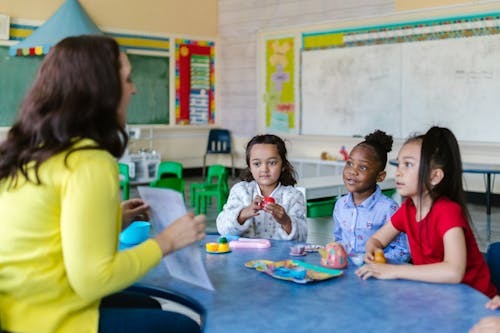
Creating connections through real-life experiences can transform the educational journey. Imagine a classroom where students aren’t just passive recipients of information, but active participants in their learning. This shift allows for deeper understanding and retention of concepts, making education not just informative but also enjoyable. By grounding lessons in tangible experiences, students can relate their studies to the world around them.
A wonderful way to begin integrating experiential learning is by weaving in project-based learning. This method encourages students to work on meaningful projects that require critical thinking, collaboration, and creativity. Rather than simply reading about historical events or scientific principles, students might create a documentary, develop a community garden, or design a marketing campaign for a local business. These projects not only enhance their understanding but also foster a sense of ownership and pride in their work.
Field trips are another effective tool for experiential learning. They provide opportunities for students to step outside the classroom and immerse themselves in different environments. A visit to a museum, a factory, or a local government office can provide insights that textbooks often fail to capture. Such experiences can spark curiosity and encourage students to ask questions, leading to richer discussions back in the classroom.
Incorporating guest speakers into your curriculum can also bring valuable real-world perspectives. Inviting professionals from various fields to share their experiences allows students to connect theoretical knowledge with practical application. For instance, a scientist can explain the relevance of chemistry in everyday life, while an entrepreneur might discuss the challenges and rewards of starting a business. These interactions can inspire students and help them envision their future paths.
Another gentle yet powerful approach is to encourage service learning, where students engage in community service projects. This not only benefits the community but also allows students to reflect on their roles and responsibilities as citizens. By working on initiatives that matter to them, students can develop empathy, leadership skills, and a sense of social responsibility. This kind of learning experience can be incredibly enriching, as it allows students to apply their skills in a meaningful way while fostering connections with their community.
Experiential learning can also be seamlessly integrated into the curriculum through simulations and role-playing activities. These methods allow students to step into different roles and explore various scenarios. For instance, a mock trial can help students understand the judicial process, while a model United Nations can teach them about diplomacy and international relations. Such activities encourage critical thinking and help students grasp complex concepts through active participation.
Additionally, incorporating technology can enhance experiential learning opportunities. Virtual reality (VR) and augmented reality (AR) tools can transport students to different places and times, offering immersive experiences that traditional methods simply cannot match. Imagine students exploring ancient civilizations or walking through the solar system without leaving the classroom. Technology can provide unique insights and foster a sense of wonder and discovery.
Reflection is a crucial component of experiential learning. Encouraging students to think about their experiences helps solidify their learning. After completing a project or participating in a field trip, guiding students to discuss what they learned, how they felt, and how they can apply this knowledge in the future can deepen their understanding. Journals, group discussions, or creative presentations can serve as platforms for reflection, allowing students to articulate their insights and reinforce their learning.
Creating a supportive environment is essential when incorporating experiential learning. Students should feel safe to express their thoughts and take risks. Encouraging a culture of collaboration and open communication helps students feel valued and understood. When students are comfortable sharing their ideas and experiences, they are more likely to engage fully in the learning process.
As educators, it’s important to remember that integrating experiential learning doesn’t have to be overwhelming. Start small by introducing one or two activities that align with your curriculum. Gradually expand these initiatives as you observe the positive impact they have on student engagement and understanding. The goal is to create a vibrant learning atmosphere where students feel empowered to explore and grow.
Ultimately, the beauty of experiential learning lies in its ability to make education more relevant and relatable. By connecting classroom lessons to the world outside, students can develop a love for learning that extends beyond their school years. This approach nurtures not only academic skills but also essential life skills, preparing students for the complexities of the future.
Incorporating experiential learning into your curriculum can be a transformative journey for both teachers and students. Embrace the opportunities to create meaningful experiences that resonate with young minds. By fostering a dynamic and engaging learning environment, you can help students thrive academically and personally. The path may require creativity and flexibility, but the rewards—curiosity, passion, and a deeper understanding of the world—are well worth the effort.