In today’s increasingly diverse classrooms, multilingual students bring a rich tapestry of languages and cultures that can enhance the learning environment.
However, this diversity also presents unique challenges for educators.
Navigating a multilingual classroom requires thoughtful strategies that honor each student’s linguistic background while fostering an inclusive atmosphere.
Here, we explore gentle teaching strategies that can create a harmonious and effective learning experience for everyone involved.
Understanding the landscape of a multilingual classroom is an essential first step. Each student comes with a unique linguistic heritage, which can significantly influence their learning process. Rather than viewing language differences as barriers, educators can embrace them as assets. By acknowledging and valuing the diverse languages spoken in the classroom, teachers can cultivate a sense of belonging among all students. This initial recognition can lay the groundwork for more tailored teaching approaches.
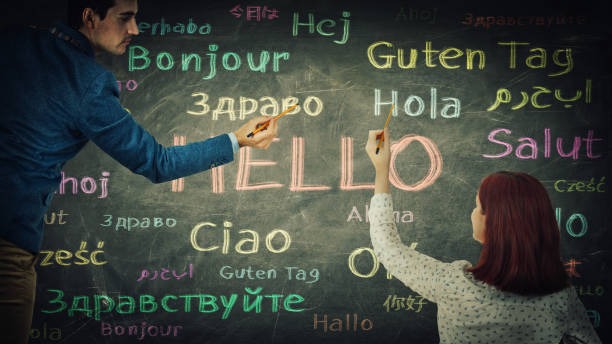
Creating a welcoming environment is crucial in multilingual classrooms. Simple gestures, such as displaying multilingual signs or welcoming messages in different languages, can make students feel seen and appreciated. Encouraging students to share their languages, perhaps through brief presentations or storytelling sessions, can foster a sense of community and mutual respect. This not only enhances language skills but also allows students to learn from one another’s experiences, creating a rich, collaborative atmosphere.
One effective strategy for teaching in a multilingual setting involves integrating language learning with content learning. This approach, often referred to as content-based instruction, allows students to engage with the subject matter while simultaneously improving their language skills. For example, when teaching a science lesson, educators can incorporate vocabulary exercises that relate directly to the topic at hand. This not only helps students understand the content better but also reinforces their language acquisition in a meaningful context.
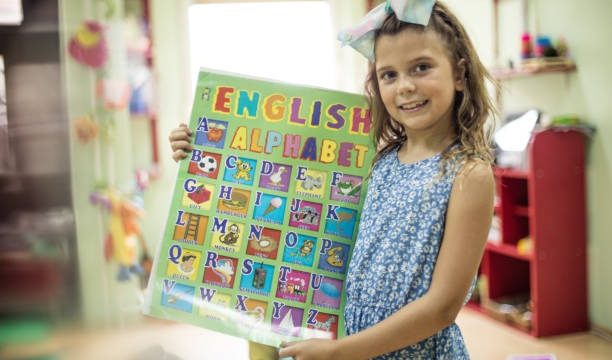
Another gentle strategy is to use visuals and hands-on activities. Visual aids, such as charts, images, and videos, can bridge language gaps and support comprehension. When students can see concepts represented visually, they are more likely to grasp complex ideas, regardless of their language proficiency. Similarly, incorporating tactile learning experiences—like science experiments or art projects—can engage students’ senses and foster deeper understanding. This multisensory approach can be particularly beneficial for multilingual learners, as it allows them to connect with the material in various ways.
Encouraging peer collaboration is another powerful technique in multilingual classrooms. Group work not only aids language development but also promotes social interaction among students. By working together, students can practice their language skills in a supportive environment. Pairing students with different linguistic backgrounds can lead to rich exchanges where they learn from each other. For instance, a student who is fluent in Spanish might help a peer who is still developing their English skills, creating a dynamic where both students benefit from the interaction.
A small shift toward balance can also be achieved through differentiated instruction. Recognizing that each student has unique strengths and challenges is key. By offering varied levels of support and adjusting tasks to match individual capabilities, educators can ensure that all students engage with the material meaningfully. For instance, providing additional resources, like bilingual dictionaries or glossaries, can empower students to navigate challenging content without feeling overwhelmed.
Building strong relationships with students is fundamental in any classroom, but it becomes even more critical in multilingual settings. Taking the time to learn about students’ backgrounds, interests, and languages can foster trust and open communication. Simple gestures, such as greeting students in their native languages or incorporating cultural references into lessons, can demonstrate respect and appreciation for their identities. These small acts contribute to a positive classroom climate where students feel comfortable expressing themselves and taking risks in their learning.
Incorporating technology can also enhance learning in multilingual classrooms. Digital tools, such as language learning apps or translation software, can provide additional support for students. These resources can help students practice language skills at their own pace and offer opportunities for independent learning. Moreover, online platforms can connect students with peers from different linguistic backgrounds, broadening their perspectives and enriching their educational experiences.
As we explore these teaching strategies, it’s important to remain flexible and responsive to the evolving needs of a multilingual classroom. Regularly assessing students’ progress and soliciting feedback can help educators refine their approaches. By remaining attuned to the diverse needs of their students, teachers can adapt their methods and materials to ensure that everyone is making strides toward language proficiency and academic success.
Ultimately, teaching in a multilingual classroom is about fostering an environment where all students feel valued and empowered. By embracing diversity, using inclusive instructional strategies, and building strong relationships, educators can create a nurturing space for learning. Each small step taken toward understanding and supporting multilingual students contributes to a more dynamic and enriching educational experience.
In this journey, educators have the opportunity to learn alongside their students, gaining insights into different cultures and perspectives. This mutual growth not only enhances the classroom experience but also prepares students for a world that is increasingly interconnected. As we embrace the beauty of multilingualism, we can help cultivate a generation of learners who are not only linguistically proficient but also culturally aware and compassionate.