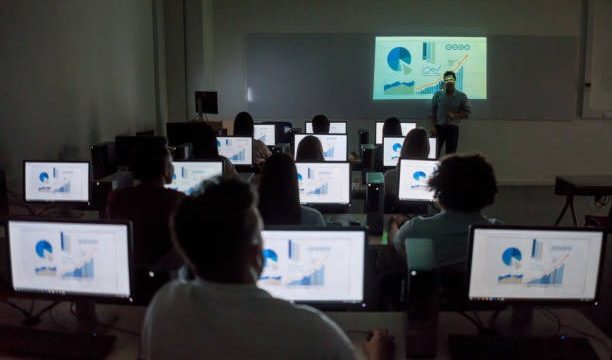
In today’s fast-paced world, technology is intertwined with nearly every aspect of our lives, from the way we communicate to how we learn.
One area where this influence is particularly profound is in STEM education—science, technology, engineering, and mathematics.
As we explore the ways in which technology enhances STEM learning, it becomes clear that the integration of digital tools not only makes education more engaging but also prepares students for a future where these subjects will be critical.
Creating an immersive learning environment is one of the most significant benefits of technology in education. Virtual and augmented reality tools transport students from their classrooms into immersive worlds. Imagine a biology lesson where students can explore the human body in 3D, observing how different systems interact. This kind of experiential learning allows students to grasp complex concepts more easily, fostering a deeper understanding that traditional textbooks may not provide.
In addition to immersive experiences, technology enables collaboration in ways that were previously unimaginable. Online platforms facilitate group projects beyond geographical boundaries, allowing students to connect with peers from different cultures and backgrounds. This global collaboration enriches their learning experience, teaching them not only the subject matter but also vital skills like teamwork and communication. As students work together to solve problems, they learn to value diverse perspectives, which is essential in today’s interconnected world.
Another remarkable aspect of technology in STEM education is the abundance of resources available at students’ fingertips. With just a few clicks, learners can access a wealth of information, tutorials, and interactive simulations. Platforms like Khan Academy and Coursera offer courses that cater to various learning styles, allowing students to progress at their own pace. This accessibility encourages self-directed learning, empowering students to take charge of their education and explore topics that ignite their passion.
The role of coding and programming in STEM education cannot be overstated. As technology continues to evolve, understanding the basics of coding becomes increasingly important. Educational tools like Scratch and Code.org introduce students to programming in a fun and engaging way. By creating their own games or animations, students not only learn to code but also develop critical thinking and problem-solving skills. These foundational skills are essential for navigating the complexities of the modern world, making coding an invaluable addition to the STEM curriculum.
As we delve deeper into the relationship between technology and education, we find that data analytics is revolutionizing how educators approach teaching. By analyzing student performance data, teachers can tailor their methods to meet the needs of individual learners. This personalized approach ensures that no student is left behind, fostering an inclusive environment where everyone can thrive. When educators can identify gaps in understanding, they can offer targeted support, enhancing the overall learning experience.
Equally important is the role of robotics in STEM education. Robotics kits and programmable devices allow students to engage in hands-on learning, bridging the gap between theory and practice. Building and programming robots not only sparks creativity but also encourages experimentation. Students learn to troubleshoot and iterate on their designs, developing resilience and a growth mindset. These experiences prepare them for real-world challenges, where innovation and adaptability are key.
The integration of technology also fosters a culture of inquiry and curiosity. With access to online forums and communities, students can ask questions, seek advice, and share their projects with a global audience. This sense of belonging to a larger community encourages them to explore STEM subjects more deeply. They can participate in online competitions, collaborate on projects, and gain feedback from peers and mentors, further enriching their educational journey.
As technology continues to advance, we must also consider its impact on teacher development. Professional development programs that focus on integrating technology into the classroom empower educators to enhance their teaching methods. When teachers are equipped with the latest tools and strategies, they can inspire their students more effectively. This ripple effect creates a dynamic learning environment where both students and educators grow together.
While the benefits of technology in STEM education are clear, it is essential to approach this integration thoughtfully. Balancing screen time with hands-on activities ensures that students receive a well-rounded education. Encouraging outdoor exploration and real-world problem-solving complements the digital learning experience, fostering a holistic understanding of STEM subjects.
As we navigate this technological landscape, it is crucial to foster a love for learning in students. Encouraging curiosity and creativity helps them see the beauty in STEM fields. When students feel inspired, they are more likely to pursue careers in these areas, contributing to a future where innovation and discovery thrive.
In conclusion, technology enhances STEM education by creating immersive learning experiences, fostering collaboration, and providing access to a wealth of resources. It empowers students to take charge of their education while equipping them with essential skills for the future. As we embrace these advancements, let us remember the importance of balance, ensuring that technology complements traditional learning methods. By doing so, we prepare the next generation to navigate an ever-evolving world with confidence and curiosity. The future of STEM education is bright, and with the right tools, we can inspire a lifelong love of learning in our students.