In today’s rapidly evolving educational landscape, the concept of interactive learning is becoming increasingly central to the success of modern classrooms.
Gone are the days when students sat passively, absorbing information from a textbook.
Instead, the emphasis is now on engaging learners through dynamic, hands-on experiences that foster curiosity and collaboration. This shift represents more than just a trend; it reflects a deeper understanding of how people learn best in a connected, digital world.
The essence of interactive learning lies in its ability to create a vibrant atmosphere where students can explore, experiment, and express themselves. This approach encourages active participation, allowing learners to take ownership of their education. Imagine a classroom where students are not merely recipients of knowledge but explorers on a journey of discovery. This transformation is not just beneficial; it is essential for nurturing critical thinking and problem-solving skills.
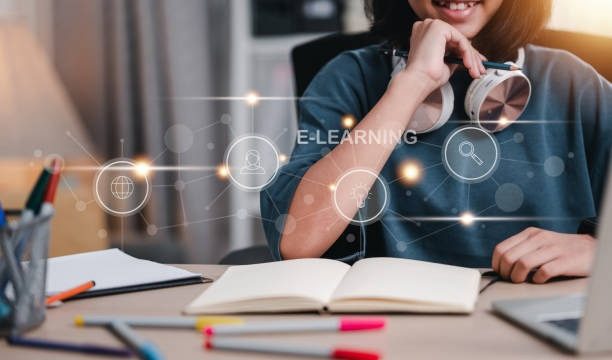
One of the most appealing aspects of interactive learning is its adaptability. Classrooms can now integrate technology in ways that make lessons more engaging and relevant. For instance, digital tools like interactive whiteboards and educational apps create opportunities for immersive learning experiences. Students can collaborate on projects in real-time, share ideas, and even connect with peers from around the globe. This interconnectedness not only enriches their understanding but also cultivates a sense of global citizenship.
A small shift toward balance can be found in the way educators approach lesson planning. Instead of following a rigid curriculum, teachers are increasingly encouraged to incorporate flexibility into their teaching methods. This means adjusting lessons based on students’ interests and needs, allowing for a more personalized learning experience. When students feel that their voices are heard and their contributions valued, they are more likely to engage deeply with the material.
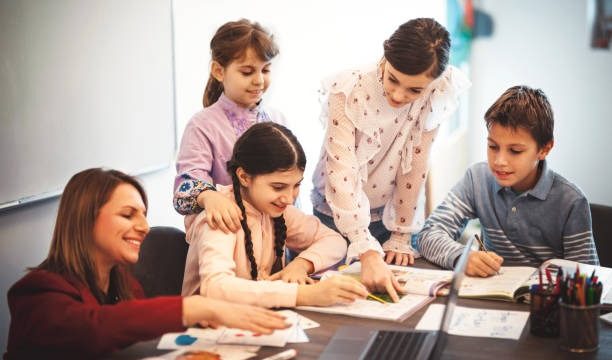
Another vital element of interactive learning is the emphasis on collaboration. Group activities and cooperative learning projects foster a sense of community within the classroom, helping students develop social skills and emotional intelligence. By working together, learners can share diverse perspectives and learn from one another. This not only enhances their understanding of the subject matter but also prepares them for the collaborative nature of the workplace they will eventually enter.
While technology plays a significant role in interactive learning, it is essential to remember that it is merely a tool. The heart of this approach lies in the relationships built between educators and students. Teachers who embrace interactive learning often find themselves taking on the role of facilitators rather than traditional instructors. This shift encourages them to create a supportive environment where students feel safe to take risks and express their thoughts. In such spaces, creativity flourishes, and innovation becomes a natural outcome.
The integration of interactive learning strategies can also have a profound impact on student motivation. When lessons are designed to be engaging and relevant, students are more likely to develop a genuine interest in the subject matter. This intrinsic motivation is crucial for lifelong learning. Students who are excited about what they are learning are more likely to pursue knowledge beyond the classroom walls, seeking out new experiences and challenges.
As we explore the world of interactive learning, it is essential to consider the role of assessment in this new paradigm. Traditional testing methods often fail to capture the depth of understanding that interactive learning fosters. Educators are beginning to explore alternative assessment techniques, such as project-based evaluations and peer assessments. These methods allow students to demonstrate their knowledge in a way that is meaningful and reflective of their learning journey.
Creating an interactive learning environment also requires a thoughtful approach to classroom design. Spaces that are flexible and adaptable can enhance the learning experience. Comfortable seating arrangements, collaborative workstations, and areas designated for group projects can inspire creativity and engagement. When students feel comfortable in their surroundings, they are more likely to participate actively in their education.
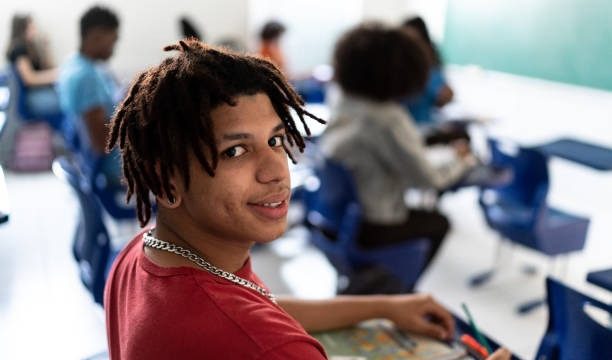
As we embrace this new era of learning, it is important to remember that each student is unique. Differentiating instruction to meet diverse learning styles is a hallmark of interactive learning. By recognizing the individual strengths and challenges of each learner, educators can tailor their approaches to ensure that everyone has the opportunity to thrive. This inclusivity not only benefits students but also enriches the classroom community as a whole.
In this journey toward interactive learning, the role of parents and guardians cannot be overlooked. Encouraging a partnership between home and school can further enhance the learning experience. When families are involved in their children’s education, it creates a supportive network that reinforces the importance of learning. Sharing experiences and insights can bridge the gap between classroom activities and home life, creating a seamless flow of knowledge and inspiration.
Looking ahead, the future of education will undoubtedly continue to evolve. As technology advances and our understanding of the learning process deepens, the principles of interactive learning will likely remain at the forefront. By fostering an environment that prioritizes engagement, collaboration, and individualized instruction, we can prepare students not just for academic success, but for a life filled with curiosity and exploration.
In conclusion, interactive learning is more than just a teaching strategy; it is a holistic approach that nurtures the mind, body, and spirit of each learner. By embracing this philosophy, educators can create classrooms that inspire, empower, and ignite a passion for lifelong learning. As we continue to navigate this exciting educational landscape, let us celebrate the possibilities that interactive learning brings, paving the way for a brighter, more connected future for all students.