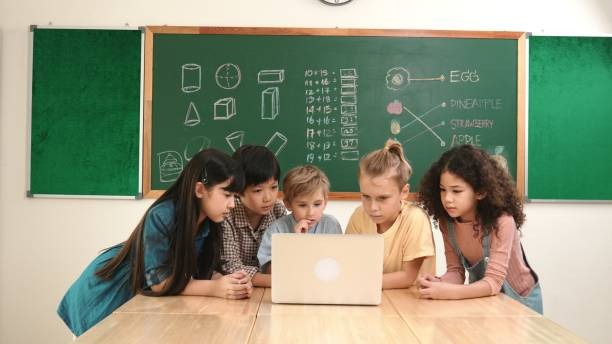
In the ever-evolving landscape of education, the phrase “learning by doing” has emerged as a refreshing approach that resonates with both students and educators alike.
Gone are the days when classrooms were merely spaces for rote memorization and passive learning.
Today, the modern classroom embraces an active, hands-on approach, where students engage with material in meaningful ways. This shift not only enhances understanding but also fosters a deeper connection to the subject matter.
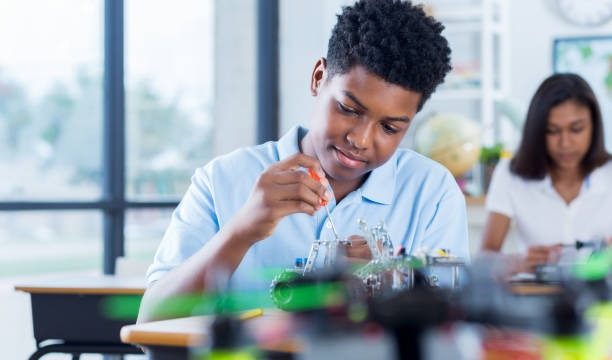
The essence of learning by doing lies in its practical application. Imagine a science class where students are not just reading about chemical reactions but are actively participating in experiments. They mix substances, observe changes, and draw conclusions based on their findings. This experiential learning approach transforms abstract concepts into tangible experiences, making knowledge more accessible and relevant.
Creating a space for experiential learning often requires a mindset shift from traditional teaching methods. Educators are encouraged to embrace flexibility, allowing students to explore topics that ignite their curiosity. This might mean stepping away from a strict syllabus to accommodate hands-on projects or collaborative group work. When students are given the freedom to experiment and explore, their enthusiasm for learning naturally flourishes.
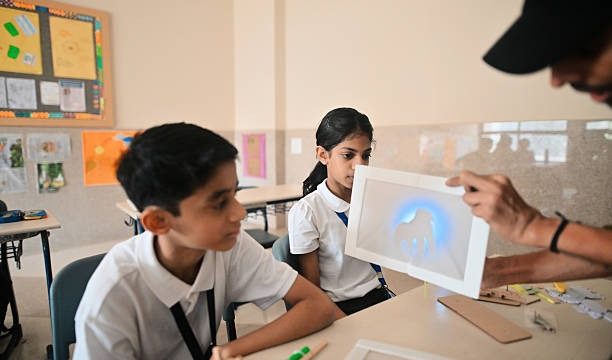
One of the most beautiful aspects of this method is its ability to cater to diverse learning styles. Every student has a unique way of processing information, and learning by doing provides various avenues for engagement. Visual learners can thrive in projects that involve art or design, while kinesthetic learners benefit from activities that require movement and hands-on tasks. By integrating different modalities into the classroom, educators can create an inclusive environment where every student feels valued and understood.
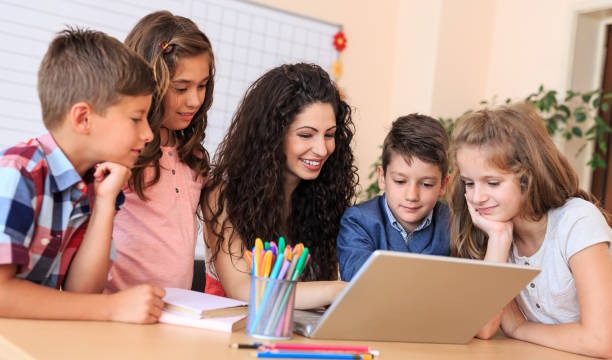
As we consider the role of technology in education, it becomes clear that it can play a significant part in enhancing learning by doing. With the vast resources available online, students can engage in virtual simulations, interactive labs, and collaborative platforms that extend beyond the traditional classroom walls. For instance, a student studying environmental science might use simulation software to model ecosystems, gaining insights that would be difficult to achieve through textbooks alone. These technological tools not only enrich the learning experience but also prepare students for a world increasingly driven by innovation and collaboration.
A small shift toward balance is also essential in this modern approach. While hands-on learning is invaluable, it’s important to find harmony between experiential activities and foundational knowledge. Students still need to understand the theories and principles that underpin their experiences. This balance can be achieved through reflective practices, where students take time to connect their hands-on activities with theoretical concepts. Journaling, group discussions, or presentations can serve as effective tools for reflection, allowing students to internalize their learning and articulate their insights.
The role of the educator in this dynamic is equally crucial. Teachers are no longer just dispensers of knowledge; they become facilitators of learning. This requires a deep understanding of each student’s needs and interests, as well as the ability to guide them through their explorations. The relationship between teacher and student evolves into a partnership where both parties learn from one another. Educators can ask guiding questions that encourage critical thinking, pushing students to delve deeper into their subjects and discover connections they may not have initially recognized.
Incorporating learning by doing into the curriculum can also foster essential life skills. Collaboration, problem-solving, and adaptability are just a few of the competencies that students develop through hands-on projects. As they work together on group assignments, they learn to navigate different perspectives, negotiate roles, and share responsibilities. These skills are not just valuable in the classroom; they are foundational for success in the workplace and in life.
Moreover, the emotional benefits of this approach cannot be overlooked. Engaging in hands-on activities often leads to increased motivation and confidence among students. When they see the results of their efforts, whether it’s a completed project, a successful experiment, or a presentation that resonates with their peers, they experience a sense of accomplishment. This emotional connection to their work can inspire a lifelong love of learning, encouraging students to seek knowledge beyond the confines of the classroom.
As we navigate the challenges and opportunities of modern education, it’s essential to recognize that learning by doing is not a one-size-fits-all solution. Each classroom is unique, shaped by the diverse backgrounds, interests, and abilities of its students. Educators must remain open to adapting their approaches, continually seeking new ways to engage their learners and inspire curiosity.
In this journey, the support of the wider community can play a vital role. Parents, local organizations, and businesses can collaborate with schools to provide resources, mentorship, and real-world experiences. Field trips, internships, and partnerships can enrich the learning environment, allowing students to see the practical applications of their studies. When the boundaries of the classroom extend into the community, the learning experience becomes even more vibrant and impactful.
Ultimately, the goal of learning by doing is to cultivate a generation of curious, engaged, and capable individuals. By fostering a love for exploration and hands-on experiences, we empower students to take ownership of their education. As they embark on this journey, they will not only acquire knowledge but also develop the skills and resilience needed to navigate an ever-changing world.
In this modern classroom, the possibilities are endless. With each experiment, project, and collaboration, students are not just learning; they are becoming active participants in their own education. The future of learning is bright, and it is filled with the promise of discovery, creativity, and connection.