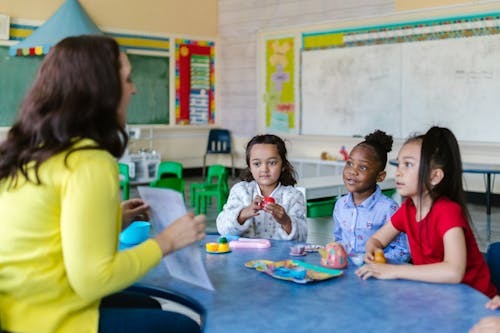
In a world where screens often dominate playtime, finding engaging games that spark a love for learning can sometimes feel like a challenge.
Yet, there’s a treasure trove of options available that offer a delightful blend of fun and education.
These games not only entertain but also nurture curiosity, critical thinking, and creativity.
Whether indoors or outdoors, there are endless opportunities for children to embrace learning through play.
Exploring the joys of learning through games begins with understanding how children interact with their environment. Kids are naturally inquisitive, and when they are given the chance to explore, their imaginations can soar. Engaging games can transform mundane lessons into exciting adventures, making the process of learning feel less like a chore and more like an exploration.
One delightful avenue is through board games that emphasize strategy and problem-solving. Games such as “Ticket to Ride” or “Settlers of Catan” introduce children to concepts of planning, resource management, and even basic economics in a fun and engaging way. These games require players to think ahead, make decisions, and sometimes negotiate with fellow players, which fosters social skills alongside critical thinking.
For those who prefer a more hands-on approach, crafting games that incorporate elements of art and science can be incredibly rewarding. Simple activities like building a birdhouse or creating a model volcano not only encourage creativity but also teach valuable skills in design and engineering. Children can learn about materials, measurements, and the scientific principles behind their projects. This tactile experience enhances their understanding and retention of concepts that might otherwise seem abstract in a classroom setting.
Another engaging option lies in the realm of outdoor games. Nature scavenger hunts can ignite a passion for the environment and biology. By creating a list of items to find—like specific leaves, rocks, or insects—children embark on an adventure that encourages observation and exploration. This form of play nurtures a connection with nature, fostering both curiosity and respect for the world around them. As they search for these treasures, children can learn about ecosystems, habitats, and the importance of biodiversity, all while enjoying the fresh air.
Incorporating technology into learning can also be beneficial when done mindfully. Educational apps and interactive games can provide a wealth of knowledge in a format that feels fresh and exciting. For instance, coding games designed for kids, such as “LightBot” or “CodeCombat,” introduce programming concepts through engaging puzzles and challenges. These games not only enhance logical thinking but also encourage perseverance as children work through complex problems. When technology is used thoughtfully, it can serve as a powerful tool to complement traditional learning.
Storytelling games can also be a wonderful way to engage children in learning. Activities like “Once Upon a Time” encourage kids to create their own narratives, fostering creativity and language skills. As they weave tales, children learn about structure, character development, and the power of imagination. This type of play not only enhances vocabulary but also builds confidence in their ability to express ideas. By incorporating elements of drama and role-play, these games can also help children develop empathy and social awareness as they step into the shoes of different characters.
As we explore these various forms of play, it’s important to remember the value of collaborative games. Team-based activities promote teamwork and communication, essential skills in both academic and social settings. Games like “Capture the Flag” or “Kickball” can bring children together, teaching them the importance of cooperation and strategy. These experiences can foster friendships and create a sense of community, which is vital for emotional well-being.
Creating an environment that encourages playful learning can start at home. Parents can set up a dedicated play space filled with educational games and materials. This could include puzzles, science kits, art supplies, and books that inspire exploration. By providing a variety of resources, children can choose activities that resonate with their interests, making learning feel more personalized and engaging.
In addition to structured games, unstructured playtime is equally important. Allowing children to explore freely encourages innovation and self-directed learning. Whether they are building forts, creating art, or pretending to be explorers in their backyard, this type of play nurtures imagination and problem-solving skills. It’s during these moments of unstructured play that children often make the most significant discoveries about themselves and the world around them.
As we navigate the balance between play and learning, it’s essential to recognize the joy that can come from blending the two. Engaging games for kids who love learning can take many forms, from board games and outdoor adventures to storytelling and creative projects. By embracing a variety of playful experiences, we can cultivate a lifelong love for learning in our children.
In conclusion, the journey of learning through play is not only beneficial but also immensely rewarding. It fosters curiosity, creativity, and critical thinking, all of which are essential for personal growth and development. As we encourage our children to explore the world around them, let’s celebrate the joy of learning in all its forms. With a little imagination and the right resources, we can create a vibrant environment where education and play coexist harmoniously, paving the way for a brighter future.