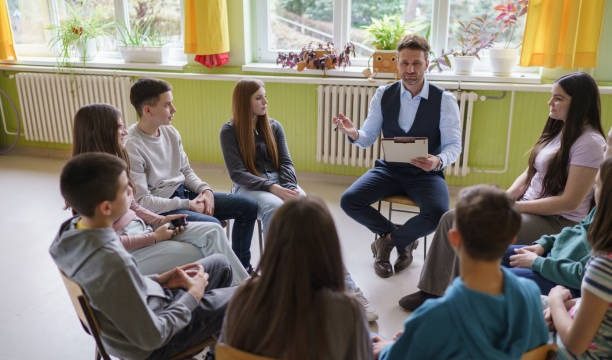
In today’s fast-paced educational environment, where the demands on both educators and students seem to grow daily, the importance of a solid classroom culture cannot be overstated.
At the heart of this vibrant atmosphere is trust—a fundamental element that nurtures relationships, encourages open communication, and fosters a sense of belonging among students and teachers alike.
When we think about trust in a classroom, we often imagine the relationships between teachers and students. However, it extends far beyond that. It encompasses the connections students build with each other, the trust they have in themselves, and the faith they place in the learning process. In a healthy classroom culture, trust acts as the glue that holds everything together, enabling a space where everyone feels safe to express themselves and explore new ideas.
Creating a foundation of trust begins with the teacher’s role. Educators are not merely dispensers of knowledge; they are facilitators of experiences. When teachers show vulnerability—such as admitting when they do not have all the answers or sharing their own learning journeys—they model trustworthiness. This opens the door for students to feel comfortable taking risks in their own learning. When students see that their teachers are human, they are more likely to engage authentically, knowing that mistakes are part of the learning process.
In a classroom where trust flourishes, students feel empowered to share their thoughts and ideas without fear of judgment. This environment encourages collaboration, where students can work together and learn from one another. When a student feels that their voice matters, it fosters confidence and a sense of agency. They learn that their contributions are valuable, which can lead to greater participation and a deeper investment in their education.
Building trust among peers is equally important. When students trust one another, they are more inclined to support each other, creating a sense of community. This is particularly vital in group activities, where collaboration is key. Trust allows students to express their thoughts freely, knowing that their classmates will respect their opinions and respond constructively. This mutual respect can lead to more meaningful interactions and a stronger sense of camaraderie within the classroom.
Moreover, trust encourages resilience. In an environment where students understand that it is okay to fail and try again, they develop a growth mindset. They learn that setbacks are not the end but rather stepping stones toward success. This resilience is not only beneficial academically but also nurtures emotional intelligence. Students become more adept at navigating their feelings and those of others, enhancing their social skills and overall well-being.
Creating a culture of trust also involves establishing clear expectations. When students know what is expected of them, they feel secure. This clarity allows them to focus on their learning rather than worrying about potential pitfalls. Teachers can foster this environment by being consistent in their behavior and communication. When students see that their educators are reliable and fair, it reinforces their trust and encourages them to take ownership of their actions.
In addition to clear expectations, it is essential to celebrate diversity within the classroom. Each student brings a unique perspective shaped by their experiences, culture, and background. By valuing these differences, educators can create a rich tapestry of learning that enhances the classroom experience. When students feel seen and appreciated for who they are, it strengthens their sense of belonging and trust in the environment. This appreciation can be woven into everyday activities, from group discussions to collaborative projects, enhancing the overall classroom dynamic.
A healthy classroom culture also thrives on open communication. When students feel comfortable expressing their thoughts, concerns, and emotions, it fosters deeper connections. Teachers can encourage this by actively listening and validating students’ feelings. This practice not only builds trust but also helps students develop effective communication skills that will serve them well beyond the classroom.
Incorporating social-emotional learning (SEL) into the curriculum can further enhance trust within the classroom. SEL focuses on developing self-awareness, empathy, and interpersonal skills, all of which are crucial for building strong relationships. By integrating SEL into daily lessons, educators can equip students with the tools they need to navigate their emotions and interact positively with others.
While the journey toward establishing a culture of trust may take time, the rewards are immeasurable. A classroom filled with trust nurtures not only academic success but also personal growth. Students learn to be compassionate, understanding individuals who value collaboration and community. They become lifelong learners, equipped with the skills to face challenges and contribute positively to society.
As we navigate the complexities of education, it is essential to remember that trust is not a one-time achievement but a continuous process. It requires ongoing effort, reflection, and adaptability. Educators must remain attuned to the needs of their students, fostering an environment where everyone feels valued and respected. This commitment to cultivating trust not only enriches the classroom experience but also lays the groundwork for a brighter future.
In conclusion, the role of trust in a healthy classroom culture is profound and multifaceted. It shapes relationships, encourages collaboration, and nurtures resilience. By prioritizing trust, educators can create an atmosphere where students thrive academically and emotionally. As we continue to explore innovative approaches to education, let us keep trust at the forefront, recognizing it as a vital element in fostering a nurturing and effective learning environment. In doing so, we can empower our students to become confident, compassionate individuals ready to take on the world.