In the heart of every classroom lies an opportunity for growth, not just academically but also personally.
As educators, parents, and community members, we aim to nurture a sense of responsibility in students, allowing them to flourish as individuals who contribute positively to society.
One of the most effective ways to promote this sense of accountability is through carefully designed classroom culture activities.
These activities create an environment where students feel safe, valued, and encouraged to take ownership of their behaviors and choices.
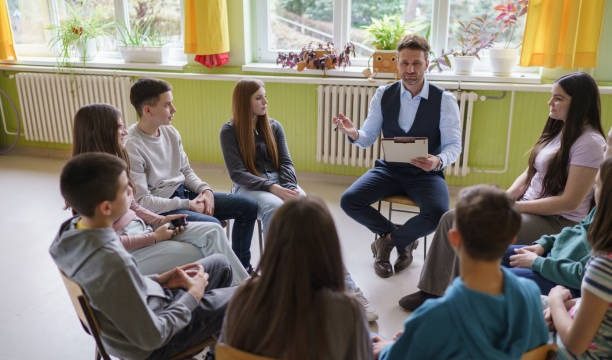
Creating a welcoming atmosphere is the first step toward fostering responsibility. When students feel comfortable in their environment, they are more likely to engage in meaningful interactions with their peers and teachers. Simple activities like sharing circles or gratitude boards can help cultivate this sense of belonging. In a sharing circle, students take turns expressing their thoughts and feelings, while the gratitude board allows them to acknowledge the positive contributions of their classmates. Such activities not only build trust among students but also encourage them to reflect on their own actions and how they impact others.
A small shift toward balance can also be achieved through collaborative projects. Working together on group assignments allows students to learn from one another, share responsibilities, and develop important skills like communication and teamwork. When students collaborate, they are not just completing a task; they are learning to support each other and hold one another accountable. This shift from individualism to a collective mindset can help students recognize the importance of their roles within a community, fostering a sense of responsibility that extends beyond the classroom.
Integrating service-learning projects into the curriculum is another meaningful way to promote responsibility. These projects connect classroom learning with real-world issues, allowing students to engage with their community while developing empathy and social awareness. For example, a class might partner with a local charity to organize a food drive. Through this experience, students can see firsthand the impact of their efforts, reinforcing the idea that their actions can contribute to the well-being of others. Such initiatives not only teach students about social responsibility but also inspire them to become active participants in their communities.
Encouraging self-reflection is a subtle yet powerful tool for promoting responsibility. When students take time to think about their actions, choices, and their consequences, they develop a greater understanding of themselves and their impact on others. Incorporating reflective journaling into the classroom routine can be a gentle way to facilitate this process. Students can express their thoughts and feelings about various situations, allowing them to analyze their behaviors and consider how they might approach similar situations in the future. This practice nurtures a sense of accountability, as students learn to recognize their strengths and areas for growth.
Creating a culture of kindness within the classroom is essential for promoting responsibility. When kindness becomes a natural part of the classroom environment, students are more likely to hold each other accountable for their actions. Activities such as kindness challenges or random acts of kindness days can inspire students to think about how their behaviors affect others. As they engage in these practices, they begin to understand that responsibility goes hand in hand with compassion and respect for their peers. This understanding not only enhances their social skills but also helps them develop a moral compass that guides their decisions.
The role of the educator in this process cannot be understated. Teachers serve as role models for their students, demonstrating the values of responsibility and accountability in their daily interactions. By setting clear expectations and consistently reinforcing positive behaviors, educators can help students internalize these important lessons. It’s also vital for teachers to create opportunities for students to take on leadership roles within the classroom. When students are entrusted with responsibilities, such as leading a group discussion or organizing an event, they feel empowered and more likely to take their roles seriously.
Promoting responsibility through classroom culture activities is not just about teaching students to follow rules; it’s about cultivating an environment that encourages personal growth and accountability. As students engage in meaningful activities that foster connection, collaboration, and reflection, they begin to understand the importance of their actions and how they contribute to the greater good. This understanding shapes their character and prepares them for the challenges they will face in life.
As we look towards the future, it’s crucial to remember that the lessons learned in the classroom extend far beyond its walls. By nurturing a culture of responsibility, we are equipping our students with the tools they need to navigate the complexities of the world around them. They learn to embrace challenges, celebrate their successes, and take ownership of their choices. Ultimately, we are not just shaping responsible students; we are fostering compassionate individuals who will contribute positively to society.
In a world that often feels chaotic, the classroom can be a sanctuary for learning and growth. Through thoughtful culture activities, we can inspire students to take responsibility for themselves and their communities. As they engage in these experiences, they will not only develop a strong sense of accountability but also a deeper understanding of the impact they can have on the world. Together, let us create classrooms that empower students to become the responsible leaders of tomorrow.