Creating strong friendships is a fundamental part of childhood development.
As children navigate the complex world of social interactions, they often encounter challenges that can leave them feeling isolated or confused.
This is where child counseling can play a vital role, equipping young minds with the tools they need to foster meaningful connections with their peers.
Understanding the dynamics of friendship is essential for children. Friendships offer a sense of belonging and companionship, providing emotional support that can significantly shape their self-esteem and overall well-being. However, friendships can also be fraught with misunderstandings, jealousy, and competition. This is where the gentle guidance of a counselor can make a significant difference.
A small shift toward balance
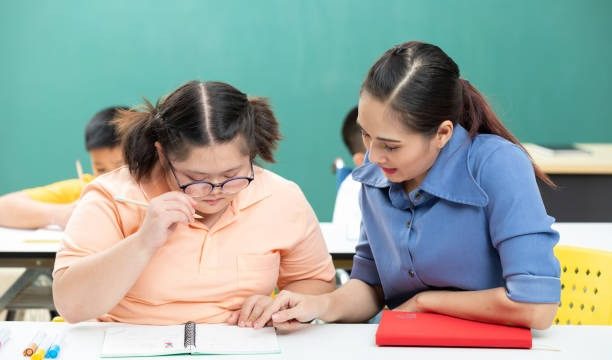
Counseling provides children with a safe space to express their feelings and thoughts about their friendships. It encourages them to articulate their emotions and understand the perspectives of others. Through this process, children learn to navigate their feelings and develop empathy, an essential trait for building strong relationships. A counselor can help children identify the qualities they appreciate in friends, as well as the behaviors that may be causing friction in their social circles.
One of the most powerful aspects of child counseling is the emphasis on communication. Children often struggle to convey their feelings effectively, which can lead to misunderstandings or hurt feelings. A counselor can teach them the importance of expressing their thoughts in a clear and constructive manner. By engaging in role-playing exercises, children can practice how to approach a friend to resolve conflicts or simply to share their feelings. This practice fosters confidence and helps them feel more equipped to handle social situations.
Exploring emotions
Counseling also provides a valuable opportunity for children to explore their emotions in a structured environment. They can discuss experiences that may have left them feeling rejected or hurt, allowing them to process these feelings in a healthy way. By understanding their emotional responses, children can learn to manage their reactions and develop resilience. This emotional intelligence is crucial, not just in friendships, but throughout their lives.
As children learn to navigate their friendships, they also begin to understand the importance of boundaries. Counselors can guide them in recognizing when a friendship may not be healthy or when it’s important to assert themselves. This balance of giving and receiving in friendships is essential for fostering mutual respect and understanding. Children can learn that it’s okay to prioritize their own needs while still being a supportive friend.
The role of play
Play therapy is another effective method used in child counseling to help children express themselves and work through social challenges. Through play, children can act out social scenarios, allowing them to practice interpersonal skills in a low-pressure environment. This method can be particularly beneficial for younger children who may struggle to articulate their feelings verbally. By engaging in creative play, they can explore various aspects of friendship, such as sharing, cooperation, and conflict resolution.
In addition to one-on-one counseling, group therapy can also be a valuable resource. Group settings allow children to interact with peers who may be experiencing similar challenges. This shared experience can foster camaraderie and understanding, helping children realize they are not alone in their struggles. Within this supportive environment, they can practice their social skills, learn from one another, and develop a sense of community.
Encouraging parental involvement
While child counseling focuses on the individual child, the role of parents is also crucial in this process. Encouraging open communication at home can reinforce the lessons learned in counseling sessions. Parents can help their children navigate friendships by discussing their experiences and feelings. This dialogue not only strengthens the parent-child bond but also provides children with additional perspectives on managing friendships.
Parents can also model healthy friendship behaviors. By demonstrating how to communicate effectively and resolve conflicts in their own relationships, they provide a living example for their children. When children see their parents engaging in respectful and supportive friendships, they are more likely to emulate those behaviors in their own lives.
Building a supportive environment
Creating a supportive environment for children to develop friendships is essential. Schools and community programs can play a significant role in fostering social interactions. Encouraging participation in group activities, sports, or clubs can provide opportunities for children to meet new friends and practice their social skills in a structured setting. These environments can help children feel more comfortable and confident as they explore new friendships.
As children grow and develop, their social circles will evolve. The skills learned through counseling can serve them well throughout their lives, enabling them to forge strong, healthy relationships. By equipping children with the tools to understand their emotions, communicate effectively, and navigate the complexities of friendship, counseling can lay the foundation for deeper, more meaningful connections.
In conclusion, child counseling offers a gentle and supportive approach to fostering stronger friendships. By helping children explore their emotions, develop communication skills, and understand the dynamics of relationships, counseling equips them with essential life skills. As they learn to navigate the ups and downs of friendships, they are not only building connections with their peers but also laying the groundwork for a fulfilling social life in the years to come. Through this journey, children can emerge as empathetic, confident individuals ready to embrace the beauty of friendship.