In a world that is constantly evolving, the need for adaptable skills has never been more pressing.
Project-based learning (PBL) emerges as a powerful approach to education, offering a pathway not just to academic success, but also to the development of essential life skills.
Through engaging in real-world projects, learners of all ages can cultivate a diverse set of competencies that will serve them well throughout their lives.
At its core, project-based learning is about inquiry and exploration. Rather than passively absorbing information from textbooks, students take an active role in their education. They work on projects that require them to investigate complex questions, solve problems, and create tangible outcomes. This hands-on approach fosters a sense of ownership and responsibility, encouraging learners to engage deeply with the subject matter.
One of the most significant benefits of PBL is the development of critical thinking skills. As students navigate through projects, they must analyze information, evaluate different perspectives, and draw conclusions based on evidence. This process not only enhances their ability to think critically but also empowers them to approach challenges with a problem-solving mindset. In an age where information is abundant and often conflicting, the ability to discern credible sources and make informed decisions is invaluable.
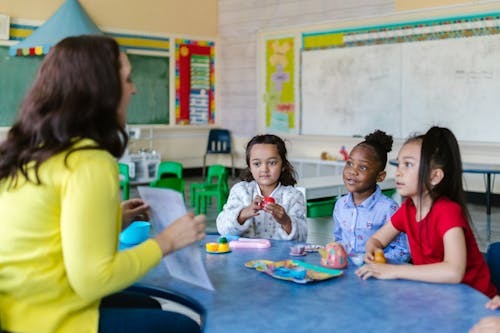
Collaboration is another essential skill that thrives in a project-based learning environment. Working in teams, students learn to communicate effectively, share ideas, and respect diverse viewpoints. They practice negotiation and compromise, which are crucial skills in both personal and professional contexts. The collaborative nature of PBL mirrors real-life scenarios where teamwork is often essential to success. As learners engage in group projects, they not only strengthen their interpersonal skills but also build a sense of community and belonging.
Creativity flourishes in project-based learning. Students are encouraged to think outside the box and explore innovative solutions to the challenges they face. Whether they’re designing a sustainable garden, developing an app, or creating a documentary, they learn to express their ideas in unique ways. This creative process not only enhances their problem-solving abilities but also fosters a sense of confidence in their capacity to contribute meaningfully to the world around them.
As projects often require students to manage their time and resources effectively, they develop strong organizational skills. Planning, setting deadlines, and prioritizing tasks become second nature as they navigate the complexities of their projects. This ability to manage time and resources translates into various aspects of life, from academic pursuits to personal endeavors. In an increasingly fast-paced world, the skill to juggle multiple responsibilities with grace is a true asset.
Moreover, project-based learning encourages self-directed learning. Students take the initiative to seek out information, ask questions, and pursue their interests. This autonomy fosters a lifelong love of learning, as individuals become more curious and engaged in their education. They learn to take ownership of their learning journey, which instills a sense of empowerment and confidence that can last a lifetime.
A small shift toward balance is often necessary in our fast-paced lives. Project-based learning allows students to take the time to delve into subjects that matter to them personally. This personalized approach not only enhances motivation but also nurtures a deeper understanding of the material. When learners see the relevance of what they are studying, they are more likely to engage fully and retain knowledge in a meaningful way.
Additionally, PBL promotes resilience. When faced with setbacks or challenges during a project, students learn to adapt, persevere, and find alternative solutions. This resilience is a crucial life skill that prepares individuals to navigate the ups and downs of life with grace and determination. Embracing challenges as opportunities for growth can transform the way learners approach obstacles, instilling a sense of confidence in their ability to overcome difficulties.
Incorporating project-based learning into education also encourages a sense of social responsibility. Many projects focus on real-world issues, prompting students to consider their role in the community and the impact of their actions. Whether they are advocating for environmental sustainability or addressing social justice issues, learners develop a sense of empathy and a desire to make a difference. This awareness fosters a commitment to lifelong civic engagement, encouraging individuals to contribute positively to society.
As we reflect on the skills cultivated through project-based learning, it becomes clear that this approach transcends traditional academic boundaries. It nurtures well-rounded individuals equipped with the tools they need to thrive in an ever-changing world. The ability to think critically, collaborate effectively, and approach challenges with creativity and resilience prepares learners not only for future careers but for life itself.
In a society that often emphasizes standardized testing and rigid curricula, project-based learning stands out as a refreshing alternative. It invites learners to explore their passions, embrace their curiosity, and develop the skills necessary for a fulfilling life. By fostering a love of learning and a commitment to personal growth, PBL empowers individuals to navigate the complexities of life with confidence and purpose.
In conclusion, the skills for life developed through project-based learning are invaluable assets that extend far beyond the classroom. By engaging with real-world projects, learners cultivate critical thinking, collaboration, creativity, organization, self-direction, resilience, and social responsibility. As we embrace this transformative approach to education, we pave the way for a generation of individuals who are not only knowledgeable but also equipped to make meaningful contributions to the world around them. The journey may begin with a project, but the skills acquired will last a lifetime.