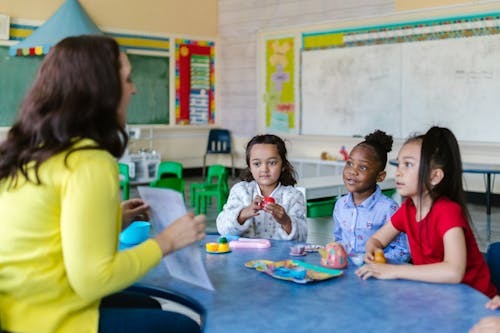
In the heart of every school, the classroom serves as a microcosm of the larger world.
It is here that students not only absorb knowledge but also learn to navigate relationships, develop social skills, and cultivate a sense of belonging.
Teachers, as the architects of this environment, play a pivotal role in shaping a strong classroom culture that nurtures these essential qualities.
The ways in which educators model positive behaviors and attitudes can significantly influence the overall atmosphere of their classrooms, creating a space where students feel valued and engaged.
Creating a welcoming environment is often the first step in establishing a strong classroom culture. When students enter a classroom that is vibrant and inviting, they are more likely to feel a sense of belonging. This can be achieved through thoughtful decorations, comfortable seating arrangements, and a variety of learning materials that reflect the diverse backgrounds of the students. Teachers who take the time to personalize their space send a message that every student is important. This act of care fosters a climate where learners feel seen and heard, which is essential for their emotional well-being.
Beyond aesthetics, the way teachers interact with students lays the foundation for a positive culture. A warm smile, a kind word, or a simple greeting can set the tone for the day. When educators model respect and kindness in their interactions, they encourage students to mirror these behaviors. This creates a ripple effect, promoting a culture of empathy and understanding among peers. Teachers who actively listen to their students and validate their feelings foster an environment where students feel safe to express themselves. This emotional safety is crucial; it allows young minds to explore new ideas, ask questions, and take risks without fear of judgment.
Establishing clear expectations is another cornerstone of strong classroom culture. When students understand what is expected of them, they can navigate their environment with confidence. Teachers who communicate these expectations in a supportive manner help students feel empowered. Rather than simply enforcing rules, educators can frame expectations positively, focusing on what students should do rather than what they shouldn’t. This approach not only clarifies behavior standards but also reinforces a sense of community, as students work together to create a harmonious learning space.
Encouraging collaboration among students is a vital aspect of building a strong classroom culture. When students engage in group activities, they learn to appreciate diverse perspectives and develop essential teamwork skills. Teachers can facilitate this by designing collaborative projects that require input from all participants. By modeling effective communication and problem-solving strategies, educators help students navigate challenges together. This not only strengthens relationships but also cultivates a sense of shared responsibility for the classroom environment.
A small shift toward balance can also have a profound impact on classroom culture. Teachers who prioritize social-emotional learning alongside academic instruction create a well-rounded environment. Incorporating activities that promote mindfulness, resilience, and emotional intelligence allows students to cultivate their inner resources. When educators model self-care and stress management, they not only enhance their own well-being but also teach students the importance of maintaining balance in their lives. This holistic approach fosters a culture where mental health is valued and nurtured.
Celebrating achievements, both big and small, is another way teachers can reinforce a positive classroom culture. When students are recognized for their efforts, it boosts their self-esteem and motivates them to continue striving for success. Teachers can create a culture of celebration by highlighting individual accomplishments, group efforts, and even progress in areas that may not be traditionally recognized. This practice nurtures a sense of camaraderie and encourages students to support one another in their journeys.
Inclusivity is a vital element of a strong classroom culture. Teachers who actively promote inclusivity create an environment where all students feel valued and respected. This can be achieved by incorporating diverse perspectives into the curriculum and fostering discussions that celebrate differences. When students see themselves reflected in the materials and discussions, they feel a stronger connection to their learning. Educators can model inclusivity by demonstrating openness to different viewpoints and encouraging respectful dialogue among students.
A focus on growth mindset can transform the way students approach challenges and setbacks. Teachers who model a growth mindset emphasize the importance of perseverance and resilience. By sharing their own experiences of overcoming obstacles and learning from failures, educators inspire students to embrace challenges as opportunities for growth. This mindset shift cultivates a culture where effort is celebrated, and mistakes are seen as stepping stones to success.
As the school year unfolds, the importance of reflection cannot be overstated. Teachers who take the time to reflect on their practices and seek feedback from students are already modeling a commitment to continuous improvement. This practice not only enhances their teaching methods but also demonstrates to students that learning is an ongoing journey. When educators invite students to share their thoughts on the classroom culture, they empower them to take an active role in shaping their environment.
In conclusion, the role of teachers in modeling strong classroom culture cannot be underestimated. Through their actions, words, and attitudes, educators create an atmosphere where students feel safe, supported, and valued. By fostering a sense of belonging, encouraging collaboration, and promoting inclusivity, teachers lay the groundwork for a positive learning environment. As they navigate the complexities of education, the small, intentional choices they make each day can have a lasting impact on their students, shaping not only their academic success but also their social and emotional development. Ultimately, a strong classroom culture is a gift that empowers students to thrive both inside and outside the classroom.