In today’s fast-paced world, the importance of physical education in schools often gets overshadowed by academic subjects.
However, an increasing body of research suggests that physical education (PE) plays a crucial role in fostering better behavior in the classroom.
The connection between physical activity and improved classroom conduct is not just a fleeting trend; it’s grounded in a deeper understanding of how our bodies and minds interact.
A gentle shift toward physical activity can create a more harmonious classroom environment. When students engage in regular physical activity, they experience a range of benefits that extend beyond mere fitness. These benefits include enhanced mood, increased focus, and better emotional regulation. When children participate in PE, they are not just exercising their bodies; they are also learning valuable life skills.
The joy of movement can be transformative. For many children, physical education provides a much-needed break from the rigors of academic life. This time away from desks and textbooks allows them to release pent-up energy and stress. As they run, jump, and play, students often find themselves in a more balanced mental state, which can lead to improved behavior once they return to their classrooms. The simple act of moving can help channel their energy positively, making them more receptive to learning.
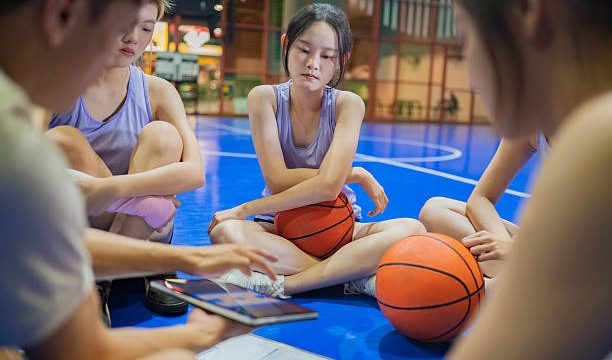
In addition to the physical benefits, PE also promotes social skills. Through team sports and group activities, students learn to collaborate, communicate, and build relationships with their peers. These experiences are invaluable, as they foster a sense of belonging and community within the classroom. When children feel connected to their classmates, they are more likely to engage positively in their learning environment. This sense of camaraderie can also reduce instances of bullying and conflict, leading to a more peaceful classroom atmosphere.
Another interesting aspect of physical education is its role in developing emotional intelligence. When children participate in sports or group activities, they encounter challenges and setbacks, just as they do in life. Learning to handle these situations gracefully—whether it’s losing a game or not performing as well as expected—teaches resilience and coping strategies. These skills are essential when it comes to managing emotions in the classroom. Students who can regulate their feelings are less likely to act out or disrupt their learning environment.
Creating routines that incorporate physical activity can also help students transition between different subjects and tasks. For instance, a short movement break between lessons can refresh their minds and bodies, making it easier for them to concentrate when they return to more academic pursuits. These breaks can be as simple as stretching, walking, or engaging in a brief game. This practice not only revitalizes students but also reinforces the idea that physical activity is an essential part of their daily lives.
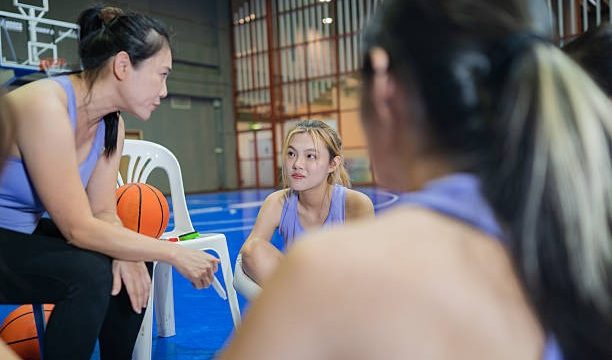
As we explore the benefits of physical education, it’s essential to recognize the role of educators in facilitating this process. Teachers who are supportive and enthusiastic about physical activity can inspire their students to embrace movement as a positive force in their lives. When educators integrate physical education with academic learning, they create a holistic approach that nurtures the whole child. This synergy can lead to improved behavior, as students feel valued and understood in both their physical and intellectual pursuits.
The connection between physical education and classroom behavior is also reflected in the concept of mindfulness. Engaging in physical activity encourages children to be present in their bodies and aware of their surroundings. This mindfulness can translate into a greater awareness of their behavior in the classroom. When students are tuned into their bodies and emotions, they are more likely to recognize when they are becoming restless or distracted. This awareness empowers them to take proactive steps to refocus, rather than waiting for a teacher’s intervention.
Another aspect to consider is the long-term impact of physical education on a child’s overall well-being. Instilling the value of physical activity early on can lead to healthier lifestyle choices in adulthood. When children associate movement with positive feelings and social interactions, they are more likely to continue prioritizing physical activity as they grow older. This lifelong commitment to health can lead to better physical, emotional, and mental well-being, ultimately reflecting positively in all areas of their lives, including their professional and personal relationships.
Incorporating physical education into daily routines also encourages families to engage in physical activities together. When parents and children participate in sports, hiking, or simply playing outside, it strengthens family bonds and creates lasting memories. This shared experience can foster open communication and a supportive environment at home, which further contributes to a child’s ability to thrive in school.
As we reflect on the vital role of physical education in shaping classroom behavior, it becomes clear that movement is not just a means to an end. It is an essential component of a well-rounded education, one that nurtures the body, mind, and spirit. By prioritizing physical education, schools can create a foundation for students to flourish academically and socially, while also paving the way for a healthier future.
Ultimately, the relationship between physical activity and classroom behavior is a beautiful dance of energy, emotion, and engagement. By embracing this connection, we can foster environments where children feel empowered, focused, and ready to learn. In a world that often emphasizes the importance of academic achievement, let us not forget the simple joy of movement and its profound impact on shaping not just better students, but better people.