Colors surround us, influencing our thoughts, feelings, and moods in ways we often overlook.
From the vibrant red of a ripe apple to the soft blue of a clear sky, colors play a fundamental role in our daily lives.
For children, the world of colors can be particularly enchanting, offering a unique lens through which they explore their surroundings.
Introducing colors through art and play not only enhances their understanding but also nurtures their creativity and emotional expression.
The beauty of colors lies in their ability to evoke feelings. Warm colors like red, orange, and yellow tend to energize and excite, while cool colors such as blue and green often bring a sense of calm and tranquility. By engaging children in activities that involve these colors, we can help them develop a deeper appreciation for their emotional connections to the world around them. Painting, drawing, and playing with colored materials can serve as a delightful introduction to this vibrant spectrum.
Art is a wonderful medium for children to express themselves. It encourages exploration and experimentation, allowing them to discover how different colors interact. Providing children with a variety of art supplies—paints, crayons, colored papers—can spark their imagination. As they mix colors or layer them on paper, they not only learn about color theory but also develop fine motor skills. Watching them create their own masterpieces can be a joyful experience, filled with laughter and wonder.
Engaging in art doesn’t have to be a solitary activity. Collaborative art projects can foster social skills and teamwork. Imagine a group of children working together to create a large mural. Each child can choose a color that resonates with them, contributing to a collective vision. This not only introduces them to the concept of blending colors but also teaches them to appreciate the uniqueness of each person’s choice. They learn that while colors can stand alone, they also create beautiful harmonies when combined.
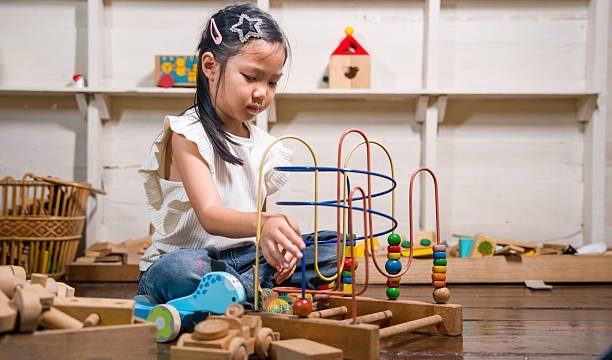
Play is another essential avenue for introducing colors. Simple games that involve sorting colored objects can be both educational and entertaining. For example, using colored blocks or toys to create patterns can help children recognize and name different colors. Such activities promote cognitive skills while allowing children to play freely and expressively. Even outdoor play, like collecting colorful leaves or flowers, can become an exciting adventure that deepens their connection to nature and the colors it offers.
A small shift toward balance can be found in the way we approach color in our daily lives. Instead of overwhelming children with the entire color spectrum at once, we can introduce them gradually. Starting with primary colors—red, blue, and yellow—provides a solid foundation. As they become comfortable with these, we can gently introduce secondary colors like green, orange, and purple. This step-by-step approach allows children to absorb and understand colors without feeling rushed or confused.
Storytelling can also be a delightful way to explore colors. Books filled with vibrant illustrations can capture a child’s attention, inviting them to engage with the story both visually and emotionally. As you read together, pause to discuss the colors present in the illustrations. Ask questions like, “What do you think the blue sky feels like?” or “How does the yellow sun make you feel?” This encourages children to think critically about colors and their meanings, fostering a deeper connection between emotions and visual experiences.
As children grow older, their understanding of colors can evolve into more complex concepts. Introducing them to color mixing can become a fascinating science experiment. Simple activities, like combining blue and yellow to create green, can ignite their curiosity. They learn not just about colors but also about cause and effect, further enhancing their cognitive development. Watching their eyes light up when they discover a new shade is a moment of pure joy.
Art and play can also serve as a therapeutic outlet for children. Sometimes, they may struggle to express their feelings verbally. Providing them with art supplies can offer a safe space to convey what they cannot put into words. Colors can represent emotions, and through their artwork, children can explore their feelings in a non-threatening way. This not only aids in emotional regulation but also builds resilience as they learn to navigate their inner worlds.
Creating a color-rich environment at home can further support this journey. Consider incorporating colorful decor, such as bright cushions or cheerful wall art, to stimulate their visual senses. Even choosing colorful fruits and vegetables for meals can introduce concepts of color while promoting healthy eating. A colorful environment can inspire creativity, making it easier for children to engage in artistic endeavors and play.
Ultimately, the journey of introducing colors through art and play is about more than just learning—it’s about fostering connection, creativity, and emotional awareness. As children explore the world of colors, they not only develop an appreciation for beauty but also learn to express themselves and connect with others. Whether through a splash of paint on a canvas or the simple joy of playing with colorful toys, the experiences they gather will be invaluable in shaping their perspectives.
In a world that often feels fast-paced and overwhelming, taking the time to engage with colors can be a soothing practice for both children and adults. By embracing the vibrant hues of life through art and play, we not only enrich our surroundings but also cultivate a sense of wonder that lasts a lifetime. So, gather your art supplies, invite some friends, and let the colors flow. The journey awaits, filled with creativity, connection, and endless possibilities.