Supporting Growth Through Positive Discipline
In the journey of parenting, one of the most profound challenges is finding the right balance between guidance and freedom.
Positive discipline emerges as a nurturing approach that not only fosters good behavior but also strengthens the bond between parent and child.
This method focuses on teaching, rather than punishing, and creates an environment where children feel safe and supported in their growth.
The essence of positive discipline lies in understanding that children are still learning the ropes of life. They are curious beings who often test boundaries, not out of defiance, but from a natural desire to explore and understand their world. When we embrace this perspective, it becomes easier to respond to their actions with compassion and patience. Instead of reacting with frustration when a child misbehaves, we can take a moment to reflect on what they might be trying to communicate.
Creating a nurturing environment is key. This doesn’t mean that rules should be absent; rather, it emphasizes the importance of consistent and clear expectations. When children know what is expected of them, they feel more secure. It is beneficial to involve them in the process of setting these boundaries. This not only gives them a sense of ownership but also teaches them about responsibility and accountability.
A small shift toward balance can make a significant difference in how discipline is approached. Instead of viewing discipline as a tool for punishment, think of it as an opportunity for teaching valuable life skills. For instance, when a child throws a toy in frustration, rather than simply taking the toy away, a gentle approach would be to encourage them to express their feelings verbally. This teaches emotional intelligence, helping them to articulate their needs and frustrations in the future.
The power of connection cannot be overstated. Building a strong relationship with your child forms the foundation for effective discipline. When children feel loved and respected, they are more likely to respond positively to guidance. Spend quality time together, engage in their interests, and show genuine curiosity about their thoughts and feelings. This connection fosters trust and encourages them to come to you when they face challenges, rather than hiding their mistakes out of fear of punishment.
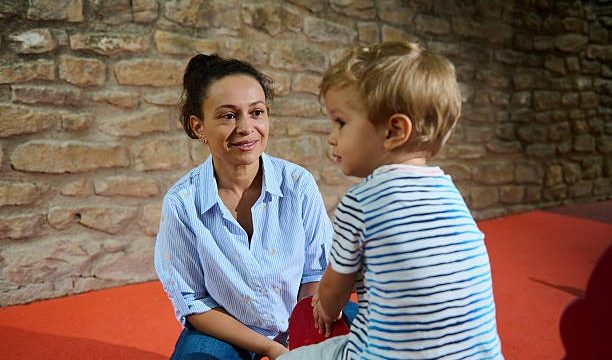
Communication plays a vital role in positive discipline. When addressing a child’s behavior, it’s essential to speak in a calm, respectful tone. Instead of labeling a child as “bad” for their actions, focus on the behavior itself. For example, instead of saying, “You are being rude,” try “I feel upset when you interrupt because it makes it hard for others to share their thoughts.” This approach helps children understand the impact of their actions while reinforcing the idea that their worth is not defined by their mistakes.
Encouragement is another cornerstone of positive discipline. Celebrate small victories, whether it’s sharing a toy, completing homework, or showing kindness to a sibling. Acknowledging their efforts reinforces positive behavior and motivates them to continue making good choices. It also instills a sense of pride and confidence in their abilities.
Mistakes are an inevitable part of growth. When children err, it is a perfect opportunity for learning. Instead of reacting with anger or disappointment, guide them through the process of understanding what went wrong. Ask open-ended questions that encourage reflection, such as, “What do you think you could do differently next time?” This not only helps them learn from their mistakes but also fosters critical thinking skills.
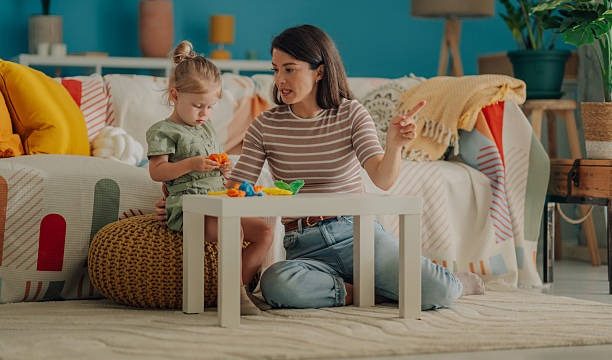
In moments of conflict, it can be helpful to model problem-solving skills. If siblings are arguing over a toy, instead of immediately intervening, you might encourage them to work together to find a solution. This teaches negotiation and compromise, essential skills that will serve them well throughout their lives. By stepping back and allowing children to navigate their disputes, you empower them to manage conflicts independently.
As parents, it’s important to remember that self-care is a crucial part of the equation. When we take time to recharge, we are better equipped to respond to our children with patience and understanding. Whether it’s through exercise, meditation, or simply enjoying a quiet cup of tea, nurturing your own well-being allows you to approach parenting with a clear mind and an open heart.
Incorporating positive discipline into daily life may take time and practice. It requires a commitment to shifting perspectives and embracing the idea of growth through guidance. As you embark on this journey, be gentle with yourself and recognize that it’s a learning process for everyone involved.
The impact of positive discipline can be profound, not just for children but for the entire family dynamic. When children feel secure and supported, they are more likely to develop into confident, empathetic individuals. They learn to navigate the world with resilience and kindness, equipped with the tools to face challenges head-on.
In conclusion, positive discipline is a beautiful approach that honors the journey of childhood. By fostering a nurturing environment, encouraging open communication, and embracing mistakes as learning opportunities, we can support our children’s growth in meaningful ways. As we navigate the ups and downs of parenting, let us remember that the goal is not just to correct behavior but to cultivate a sense of understanding, compassion, and connection that will last a lifetime. Through positive discipline, we can guide our children not just toward good behavior, but toward becoming the best versions of themselves.